Why Heavy-Handed Rules Often Backfire
Why Heavy-Handed Rules Often Backfire
![[HERO] Why Heavy-Handed Rules Often Backfire](https://cdn.marblism.com/wNeB3qeoLs1.webp)
I watched a site manager roll out a new "zero tolerance" policy for PPE violations. Anyone caught without proper eye protection would be sent home for the day without pay. No exceptions. No warnings. He thought he was being tough on safety.
Within two weeks, three workers had deliberately walked past his office without safety glasses. Not because they forgot. Because they were pissed.
Here's the thing: when you crack down harder, you don't always get better compliance. Sometimes you get the exact opposite. And it's not because workers are being stubborn or reckless. It's because their brains are wired to fight back when they feel controlled.
The Freedom Reflex
Let me be honest, most safety leaders don't understand psychological reactance. But if you've ever had a safety program backfire spectacularly, you've seen it in action.
Back in 1966, a psychologist named Jack Brehm figured out something critical: when people feel their freedom is being threatened, they don't just comply quietly. They experience a motivational state that drives them to restore that freedom. Often by doing exactly what you told them not to do.
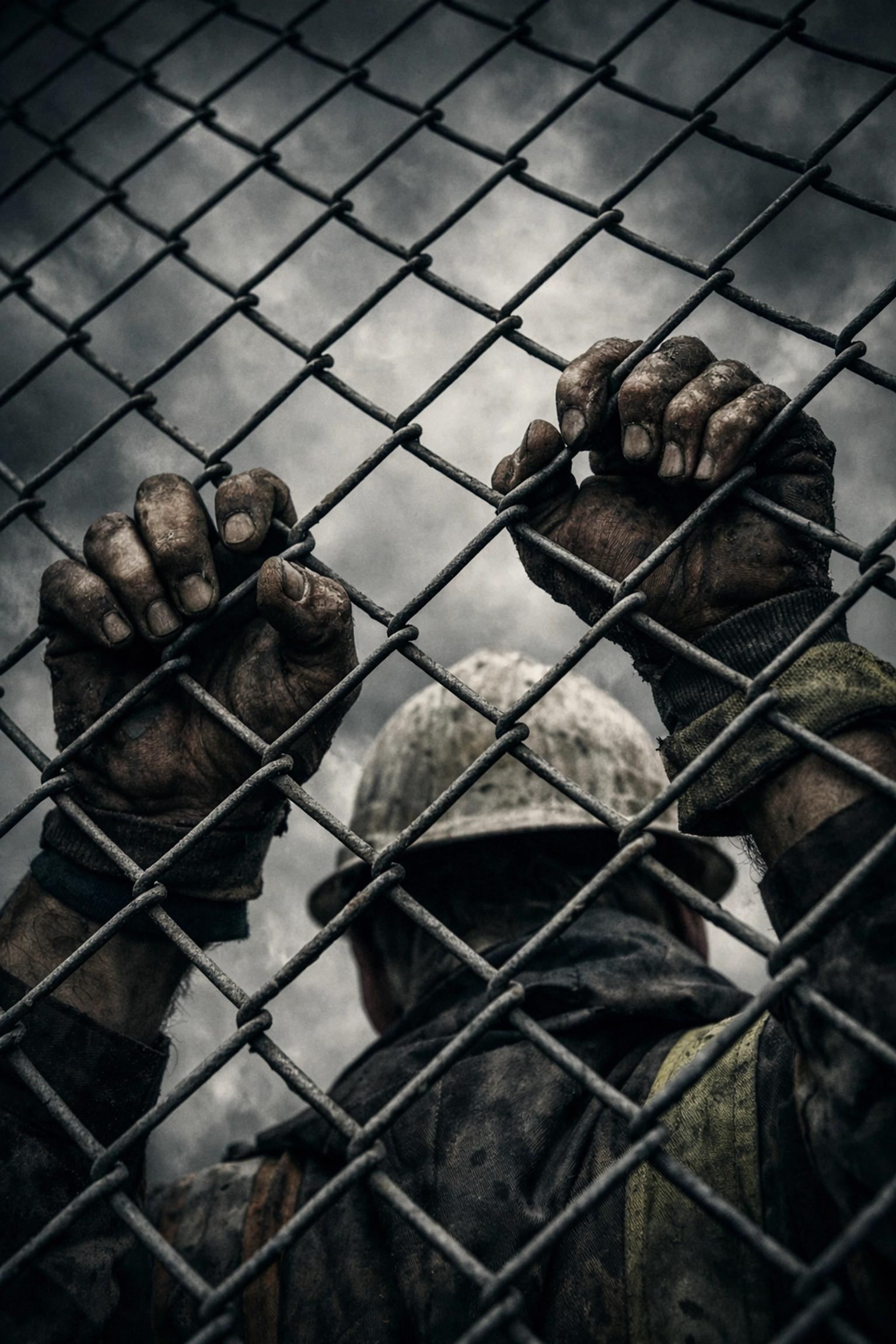
Think about it. You tell a teenager they absolutely cannot go to that party, and suddenly that party becomes the most important event of their life. You mandate attendance at a safety meeting with the threat of disciplinary action, and watch how many people suddenly have "emergencies" that day.
This isn't defiance for defiance's sake. It's a psychological response to perceived control. And in safety, it shows up everywhere:
- Zero tolerance policies that make workers hide incidents instead of reporting them
- Mandatory compliance programs that workers find creative ways to bypass
- Heavy-handed enforcement that turns safety into an "us versus them" battle
The worker who bypasses a lockout procedure after a crackdown isn't trying to get hurt. He's experiencing a predictable response to feeling like his autonomy has been stripped away. The harder you push, the harder he pushes back.
When "Do It Because I Said So" Doesn't Work
I've seen organizations double down when this happens. They add more rules. Increase surveillance. Threaten bigger consequences. And they're genuinely shocked when behavior gets worse, not better.
But here's what the research shows: the more forcefully a behavior is prohibited, the more attractive that behavior can become. Not because the behavior itself is desirable, but because the act of choosing it restores a sense of control.
This doesn't mean you abandon safety rules. It means how you implement them determines whether you get genuine buy-in or quiet rebellion.

A manufacturing plant I worked with had a persistent problem with workers not wearing cut-resistant gloves in a particular area. Management kept adding consequences, written warnings, then suspensions, then termination threats. The compliance rate actually dropped.
When we dug into it, we found that the gloves reduced dexterity just enough to make a specific task frustrating. Workers felt like the rule was imposed without understanding their reality. So they resisted.
The solution wasn't heavier enforcement. It was involving workers in finding gloves that provided both protection and dexterity, and explaining the why behind the rule in terms they cared about, not just "because OSHA says so" but "because we've had two hand injuries here in three years, and both guys lost partial finger function."
When workers felt heard and involved in the solution, compliance wasn't an issue anymore.
The Comfort of "We've Always Done It This Way"
Now let's talk about the flip side: why getting people to adopt new safety practices feels like pushing a boulder uphill.
You roll out a new procedure that's objectively safer. It's been tested. It works. But you get endless pushback. "We've always done it this way." "The old method was fine." "Why are we changing things that aren't broken?"
Most safety leaders hear this and think: stubbornness. Laziness. Resistance to change.
But that's not what's happening in the brain.

In 1988, researchers William Samuelson and Richard Zeckhauser documented something called status quo bias: people systematically prefer the current state of affairs beyond what rational cost-benefit analysis would predict. The familiar isn't just preferred because it's known. It carries a cognitive and emotional premium simply by being the status quo.
This isn't a character flaw. It's how human brains manage uncertainty.
The experienced forklift operator who's been doing the job for fifteen years has hundreds of successful repetitions reinforcing his current approach. Every day he doesn't get hurt, his brain logs that as evidence that his method works. When you show up with a "better way," you're not just asking him to learn something new. You're asking him to override years of reinforcement that say the old way is safe.
In high-risk environments, this bias is even stronger. When the consequences of the unknown feel threatening, the brain defaults to what's worked before: even if "worked" just means "nothing bad happened yet."
The Hidden Cost of Forcing Change
Here's where it gets tricky for safety leaders. You can't just let people keep doing dangerous things because change feels uncomfortable. But you also can't force change through sheer authority and expect it to stick.
I've watched organizations mandate new procedures with implementation timelines that ignore how people actually learn and adapt. They roll out the change, do a single training session, and then start writing people up for non-compliance a week later.
What happens? Surface compliance. Workers do the new procedure when someone's watching and revert to the old way when they're not. You haven't changed behavior: you've just made it harder to see.

The key is making the risks of the status quo visible while framing change as evolution, not revolution. Instead of "everything you've been doing is wrong," it's "here's how we're building on what works to make it even safer."
A logistics company I worked with needed drivers to adopt new backing protocols. Instead of mandating compliance and threatening consequences, they had their most experienced drivers test the new approach and report back. Those drivers identified real issues with the protocol, suggested modifications, and then became advocates for the refined version.
The change didn't come from corporate safety. It came from the tribe. And adoption was nearly 100% within a month: not because of enforcement, but because the new way became the new status quo, endorsed by the people who mattered most to the drivers.
What Actually Works
So if heavy-handed rules and forced change don't work, what does?
First, give people autonomy within structure. Instead of "You must do it this way, no exceptions," try "Here's the outcome we need: what's the safest way you can achieve it?" Let workers have input on how rules are implemented. When people feel they have choice within boundaries, reactance drops dramatically.
Second, make the familiar visible. If the status quo carries risk, don't just tell people: show them. Use data from near-misses. Share stories from people they know. Make the invisible consequences of "we've always done it this way" concrete and real.
Third, create small wins. Don't try to overhaul everything at once. Identify one high-risk behavior, change it with full worker involvement, celebrate the success, and build from there. Each small win establishes a new anchor point for what's familiar.
And fourth, understand that resistance isn't personal. When someone pushes back on a safety initiative, they're not attacking you. They're protecting their sense of autonomy or clinging to the familiar because their brain is wired for survival, and survival means avoiding unnecessary risk: including the risk of change.
The strongest safety cultures aren't built on compliance through consequences. They're built on trust, involvement, and respect for how human brains actually work.
Because everyone has the right to feel and be safe.


Comments
Post a Comment