Sunscreen Smarts: Protecting Skin Without the Mess
Sunscreen Smarts: Protecting Skin Without the Mess
Summer fun shouldn't come with the stress of messy sunscreen battles! Whether you're dealing with squirmy kids who hate the gooey feel or trying to reapply without ruining your makeup, protecting your family's skin can be way easier than you think.
Let's dive into the smart ways to keep everyone safe from harmful UV rays without the sticky, streaky mess that makes sunscreen feel like a chore.
Why Getting This Right Actually Matters
Before we jump into the how-to, let's talk about why sunscreen isn't just another thing on your endless parenting to-do list. UV damage starts early and adds up over time. That cute beach day when your toddler was three? Your teen's skin remembers it. The good news? Proper sun protection now can prevent problems later.
Kids' skin is especially vulnerable because it's thinner and more sensitive than adult skin. Plus, they'll spend way more time outdoors than most grown-ups, so building good sun safety habits early pays off big time.
Choosing Your Sunscreen Game Plan

Not all sunscreens are created equal, and picking the wrong one is usually what leads to application disasters. Here's how to choose like a pro:
Go for Broad-Spectrum SPF 30 or Higher
This protects against both UVA and UVB rays. Anything lower than SPF 30 just isn't doing enough heavy lifting, and anything higher than SPF 50 doesn't provide significantly more protection.
Chemical vs. Mineral: What's the Deal?
Chemical sunscreens absorb UV rays, while mineral sunscreens (with zinc oxide or titanium dioxide) reflect them. For sensitive skin or kids under 6 months, mineral is usually the way to go. Chemical formulas often rub in more easily but can irritate sensitive skin.
Water-Resistant is Non-Negotiable
Even if you're not planning to swim, kids sweat, and regular sunscreen basically melts off. Water-resistant formulas stay put for 40-80 minutes of sweating or swimming.
The Application Strategy That Actually Works
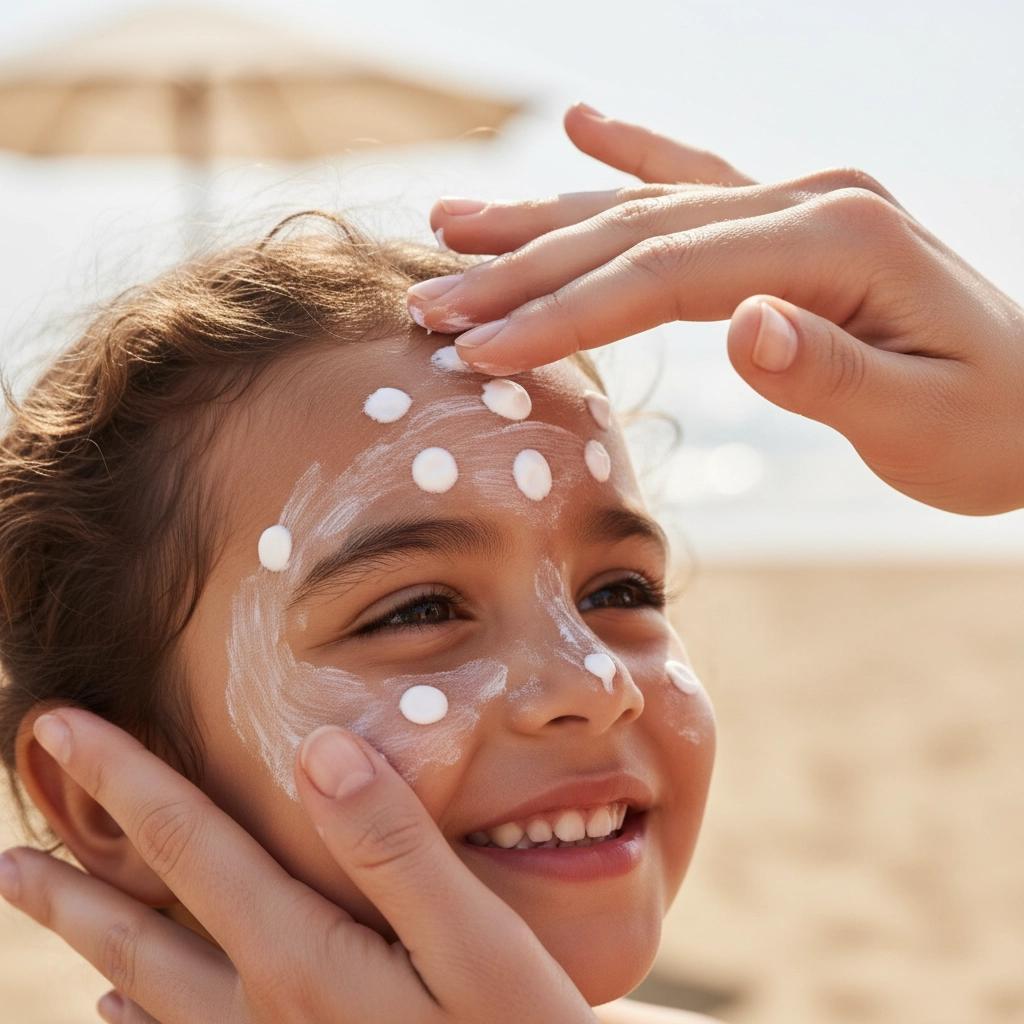
Here's where most families go wrong: they treat sunscreen application like they're frosting a cake, slapping it on thick and hoping for the best. There's a better way.
Timing is Everything
Apply sunscreen 15-20 minutes before going outside. This gives it time to form a protective barrier instead of just sitting on top of the skin where it can easily rub off.
The Shot Glass Rule
Most adults need about one ounce of sunscreen (think shot glass full) to cover their entire body. For kids, scale it down based on their size. Don't be stingy – under-application is one of the biggest reasons people get burned despite using sunscreen.
The Dots Method for Faces
Instead of squirting sunscreen directly onto faces (especially with squirmy kids), put dots of sunscreen on your hands first, then gently pat and spread. Hit the forehead, both cheeks, nose, and chin. Don't forget ears, neck, and that spot right where the hair meets the forehead.
Making It Kid-Friendly
Getting kids to cooperate with sunscreen doesn't have to be a wrestling match. Here are some parent-tested tricks:
Make It a Game
"Let's paint your superhero armor on!" or "Time for your invisible force field!" works way better than "Hold still while I put this on."
Let Them Help
Give older kids their own small bottle to apply to arms and legs while you handle the tricky spots like faces and backs.
Choose the Right Formula for Your Kid
Some kids hate the feel of traditional lotions but don't mind spray sunscreens. Others do better with stick sunscreens for faces. There's no shame in trying different types until you find what works.

The Reapplication Reality Check
This is where even the most well-intentioned parents often fail. Sunscreen wears off, especially with active kids. Here's how to stay on top of it without losing your mind:
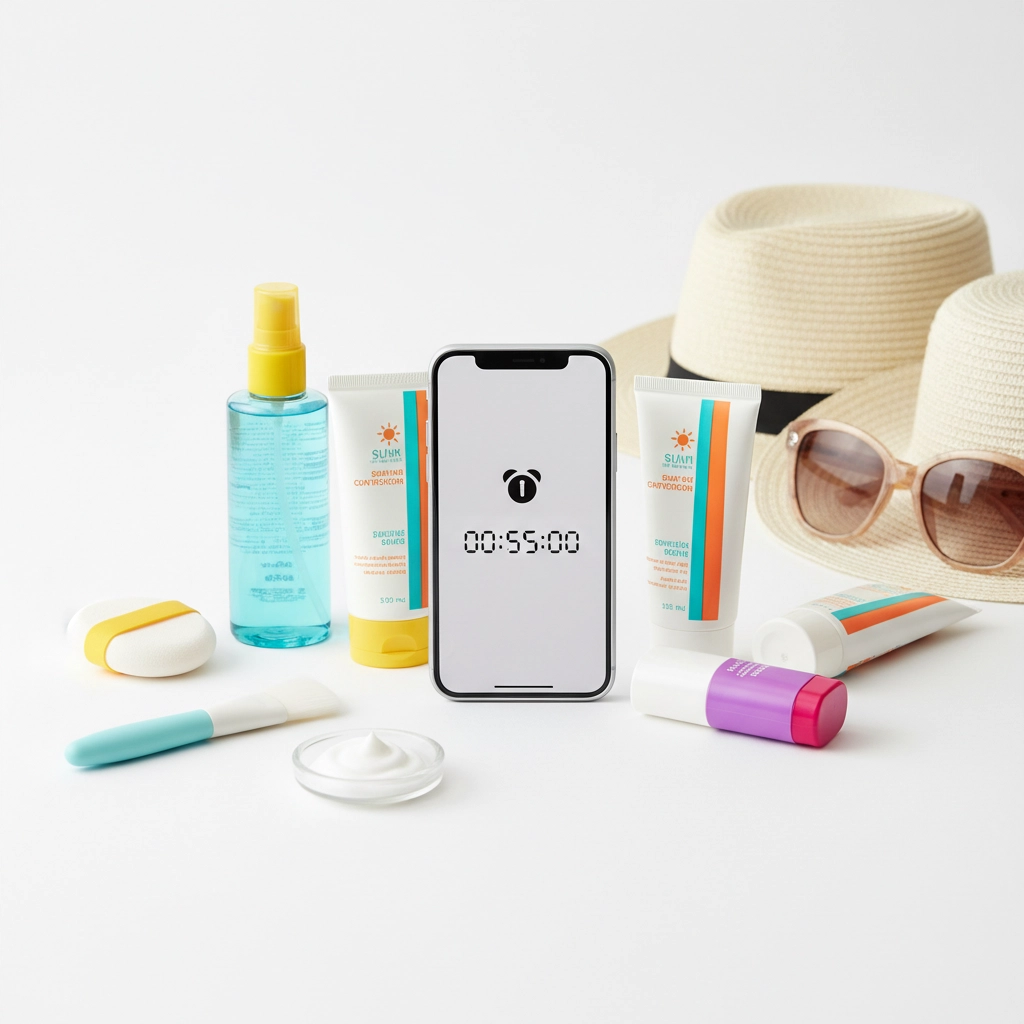
Set Phone Alarms
Seriously. Set them for every 90 minutes when you're outside. It's the only way to remember consistently.
Strategic Reapplication
You don't need to completely re-do everyone's sunscreen every time. Focus on the most exposed areas: face, shoulders, and any spots that might have rubbed off.
Spray for Quick Touch-ups
Keep a spray sunscreen handy for quick reapplications, especially for kids who are done with sitting still for lotions.
Special Situations Made Simple
Beach and Pool Days
Water and sand make sunscreen application trickier. Apply a base layer before you even leave the house, reapply before getting in the water, and again immediately after toweling off.
Sports and Activities
For kids involved in outdoor sports, look for sport-specific formulas that are designed to stay put during intense activity. Apply extra to areas that gear might rub against.
Cloudy Days
UV rays penetrate clouds, so don't skip sunscreen on overcast days. This is especially important at the beach or on the water where rays reflect off sand and water.
Common Mistakes to Avoid
Expired Sunscreen
Check those dates! Expired sunscreen loses its effectiveness and can actually irritate skin.
Forgetting Weird Spots
Top of feet, ears, along the hairline, and that strip of back that's hard to reach are common miss zones. Make a mental checklist.
All-or-Nothing Thinking
Some protection is better than no protection. If your kid absolutely refuses sunscreen on their arms but will let you do their face, do the face. Don't give up entirely.
Makeup Mix-ups
If you wear makeup, sunscreen goes on first, then makeup. For reapplication over makeup, try powder sunscreens or makeup with SPF.
Making It Stick (The Habit, Not the Sunscreen)

The goal is to make sun protection as automatic as brushing teeth. Here's how to get there:
Start Young
Even babies under 6 months need sun protection through shade and clothing. Once they hit 6 months, sunscreen becomes part of the routine.
Lead by Example
Kids copy what they see. If they watch you applying sunscreen to yourself consistently, they'll start to see it as normal.
Keep It Positive
Frame sun protection as taking care of your body, not as something scary or annoying. "We protect our skin so it stays healthy and strong!"
The bottom line? Protecting your family's skin doesn't have to be a daily battle. With the right products, techniques, and mindset, sunscreen can become just another part of getting ready for outdoor fun. Your future self (and your kids' future selves) will thank you for making it a priority now.
Remember: perfect sunscreen application isn't the goal. Consistent, good-enough application that actually happens every day beats perfect application that only happens sometimes. Keep it simple, keep it consistent, and keep your family safe out there.


Comments
Post a Comment