Managing Allergies: Food and Seasonal Safety for Kids
Managing Allergies: Food and Seasonal Safety for Kids
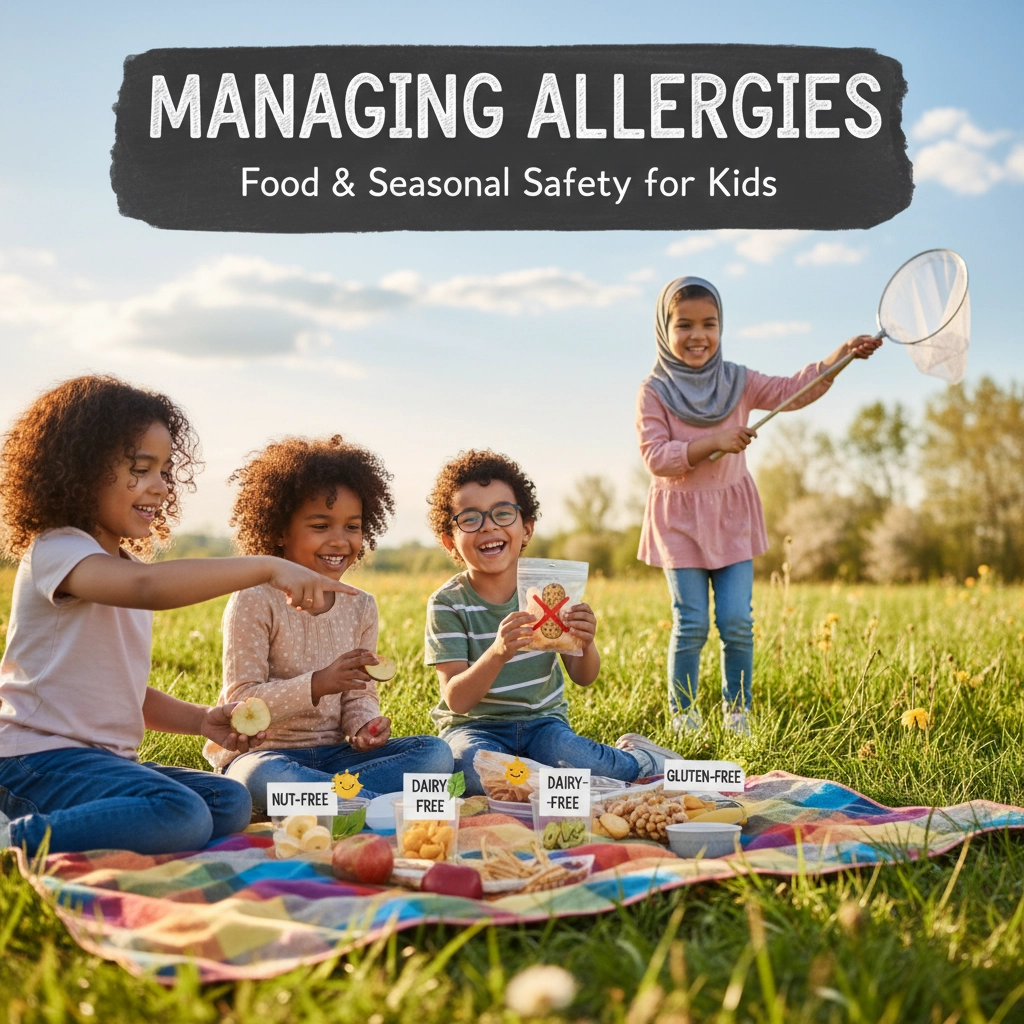
When your child starts sneezing every spring or breaks out in hives after eating peanuts, you're probably dealing with allergies. But here's the thing – not all allergies are the same, and knowing the difference can literally be a lifesaver.
Let's break down everything you need to know about keeping your kids safe from both food and seasonal allergies, because being prepared is half the battle.
Food Allergies: The Serious Stuff
Food allergies aren't just "being picky" – they're real immune system reactions that affect up to 8% of school-age kids. That's roughly 2 kids in every classroom dealing with this challenge.
The usual suspects? Milk, eggs, peanuts, tree nuts, soy, wheat, fish, and shellfish. These eight foods cause about 90% of all serious allergic reactions in kids. Peanuts top the list for school-age children, while milk is the biggest troublemaker for preschoolers.
Spotting Food Allergy Symptoms
Food allergy reactions can be tricky because they don't always look the same. Your child might experience:
- Hives, rashes, or red, itchy skin
- Swelling of lips, tongue, or face
- Stomach pain, diarrhea, or vomiting
- Coughing, wheezing, or trouble breathing
The scary part? Sometimes reactions can escalate to anaphylaxis – a whole-body reaction that's a medical emergency. This is why so many parents carry those EpiPens everywhere.
Creating a Food-Safe Environment
Managing food allergies is all about being a detective and staying one step ahead. Here's your game plan:
At Home:
- Read every single food label (yes, even for foods you've bought before – ingredients can change)
- Keep allergen-free foods in separate areas
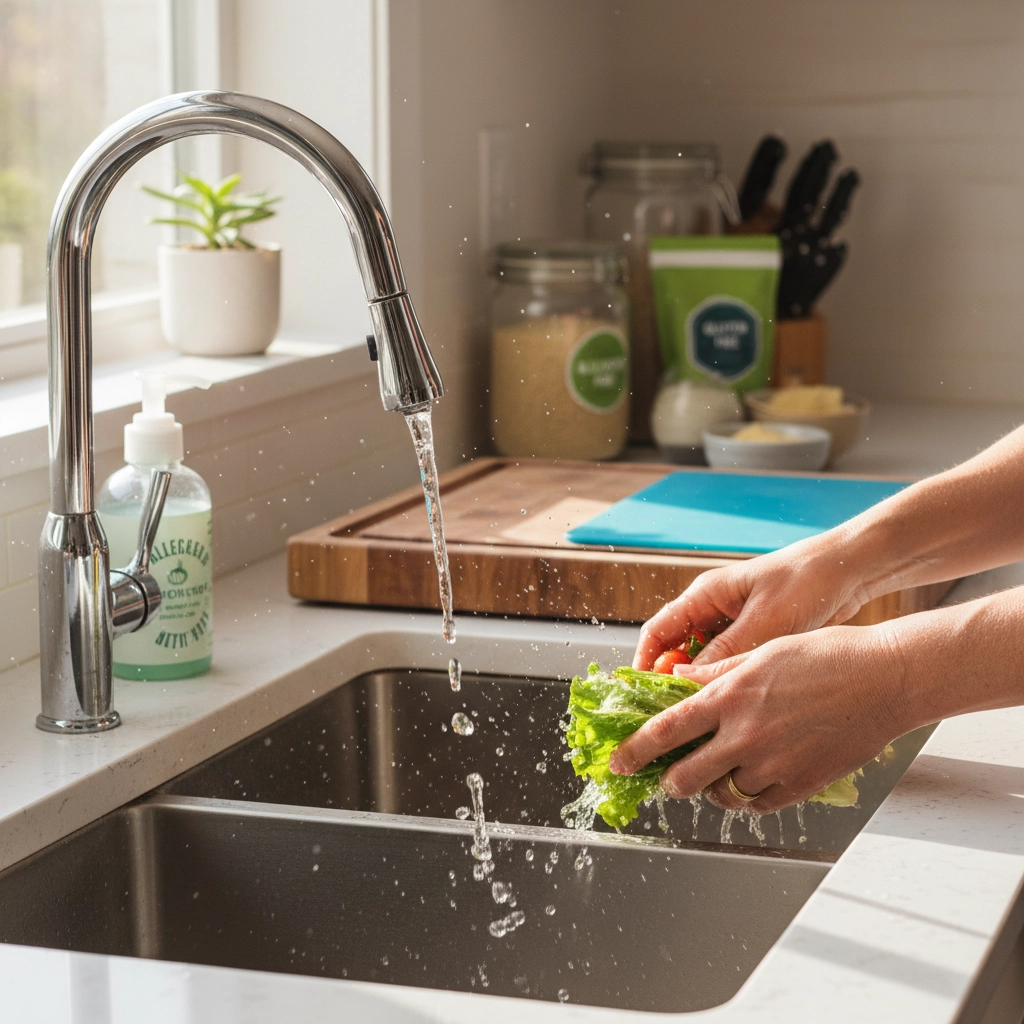
- Use different cutting boards, utensils, and cookware for safe foods
- Wash hands and surfaces thoroughly after handling allergen-containing foods
Out and About:
- Always ask about ingredients when dining out
- Bring safe snacks to parties and events
- Teach your child to never share food or accept food from others
- Make sure other parents know about the allergy before playdates
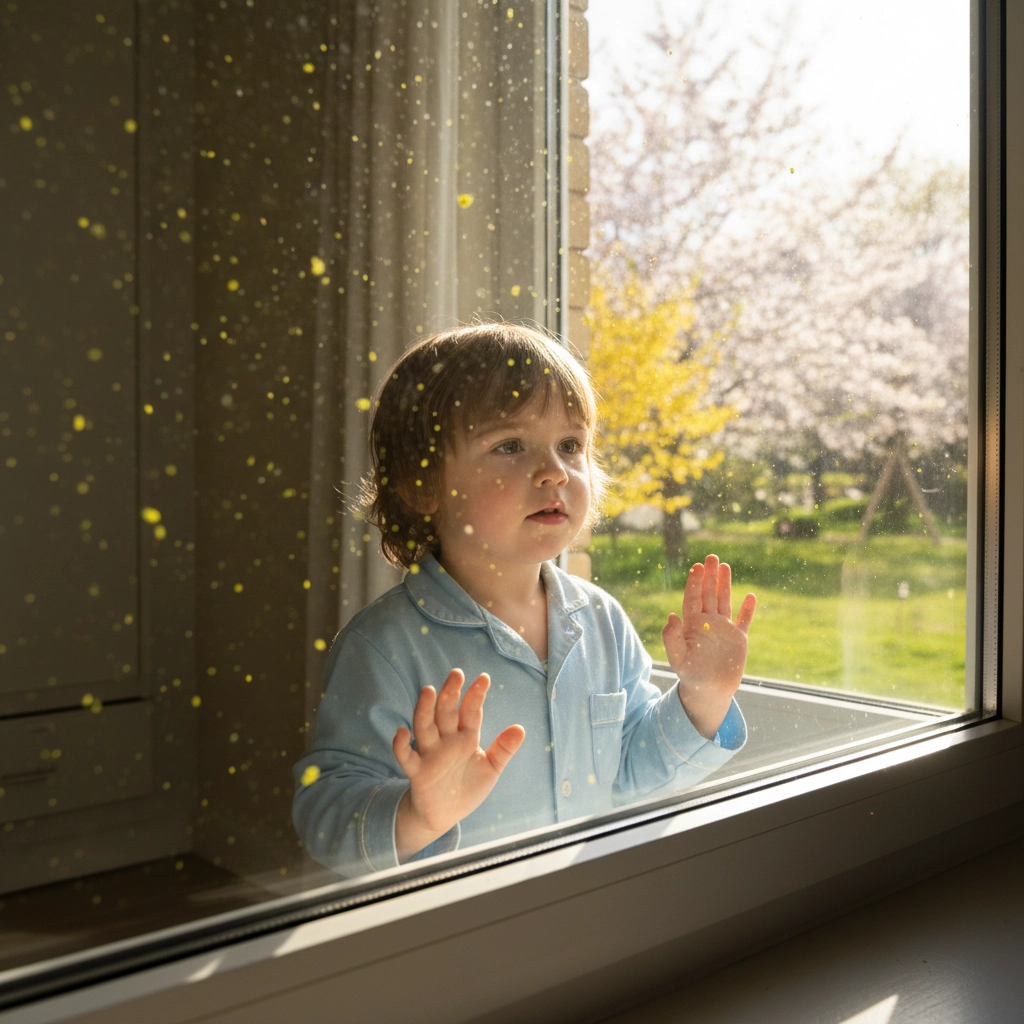
Seasonal Allergies: The Sneezy Season
Now let's talk about seasonal allergies – the kind that make your kid look like they have a perpetual cold. These happen when your child's immune system overreacts to things floating in the air like pollen, mold spores, or dust mites.
Unlike food allergies, seasonal allergies won't send you to the emergency room, but they can make your child absolutely miserable.
Recognizing Seasonal Allergy Signs
Seasonal allergies have their own signature look:
- Itchy, watery eyes (sometimes with dark circles underneath)
- Stuffy or runny nose that just won't quit
- Lots of sneezing
- Itchy nose or throat
- General feeling of being tired and cranky
Here's a helpful tip: if your child has been "sick" with cold-like symptoms for more than a week or two, and it happens around the same time every year, you're probably looking at allergies, not infections. Also, seasonal allergies rarely cause fever – so if there's a temperature, think infection instead.
Managing the Seasonal Struggle
The good news? You can actually control a lot of what triggers seasonal allergies:
Indoor Strategies:
- Keep windows and doors closed during high pollen seasons
- Run the air conditioning to filter indoor air
- Use air purifiers in bedrooms
- Wash bedding in hot water weekly
- Keep pets bathed and groomed if they spend time outside
Outdoor Smart Moves:
- Check daily pollen counts (there are apps for this!)
- Plan outdoor activities for late afternoon when pollen counts are typically lower
- Have kids shower and change clothes after playing outside
- Keep car windows up and use air recirculation mode
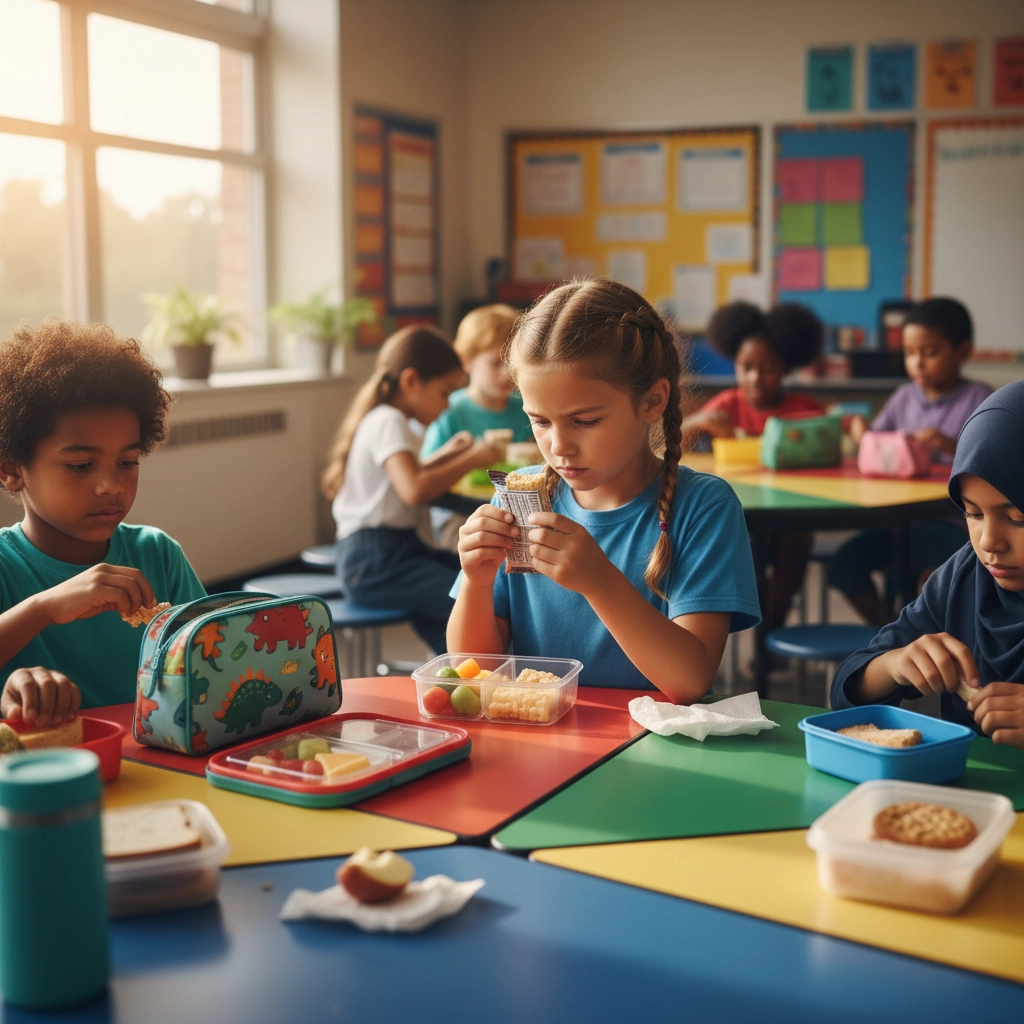
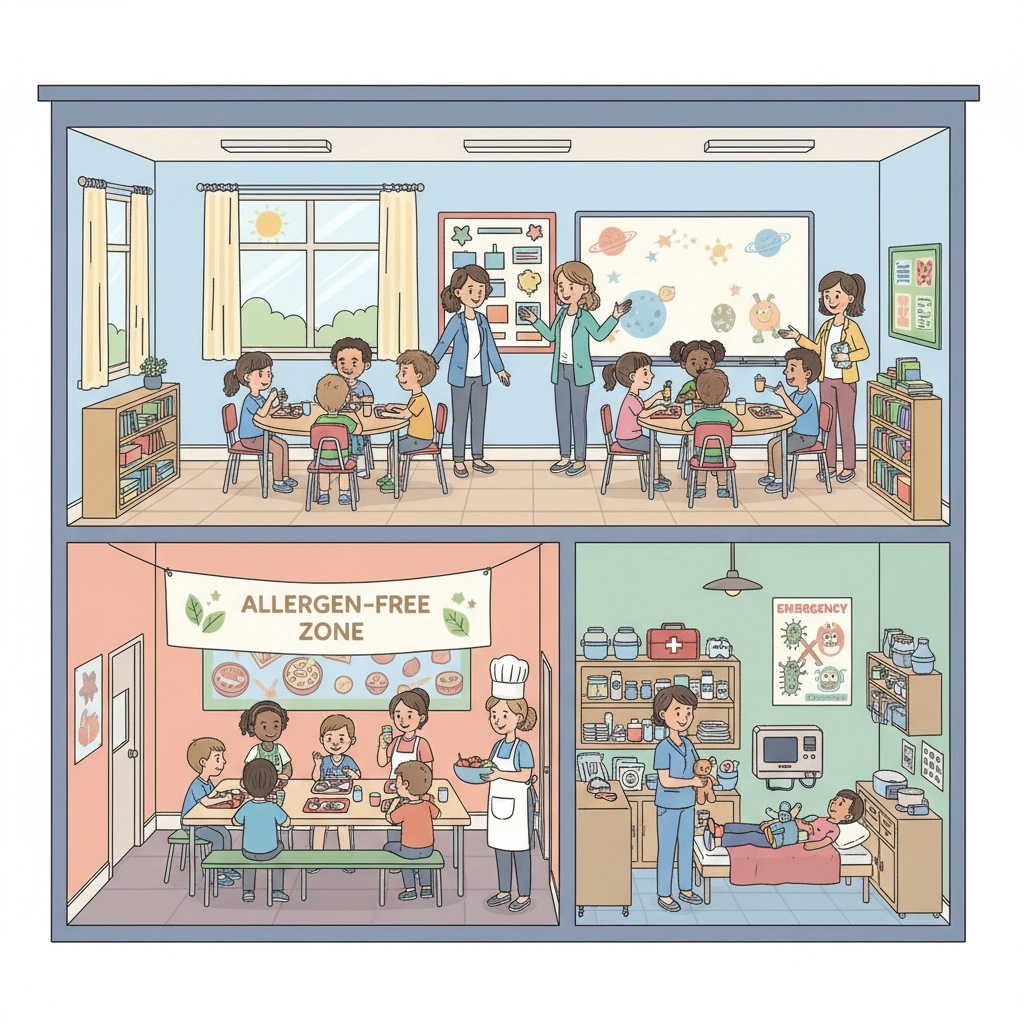
School: The Allergy Challenge Zone
Schools can be tricky territory for kids with allergies. About 16-18% of children with food allergies have had reactions at school, and here's something that might surprise you – about 25% of schools that use emergency epinephrine use it on students who didn't even know they had food allergies.
Working with Schools
Communication is everything when it comes to school safety:
- Meet with teachers, nurses, and cafeteria staff before the school year starts
- Provide written action plans from your doctor
- Make sure the school has emergency medications and knows how to use them
- Consider providing safe snacks for classroom celebrations
- Teach your child to advocate for themselves
For seasonal allergies, work with the school to:
- Keep windows closed in your child's classroom when possible
- Allow indoor recess during high pollen days
- Provide tissues and hand sanitizer
- Consider timing of outdoor activities
Teaching Kids to Be Their Own Advocates
One of the most important things you can do is teach your children to understand and manage their own allergies. This isn't about scaring them – it's about empowering them.
For food allergies:
- Teach them to read simple ingredient lists
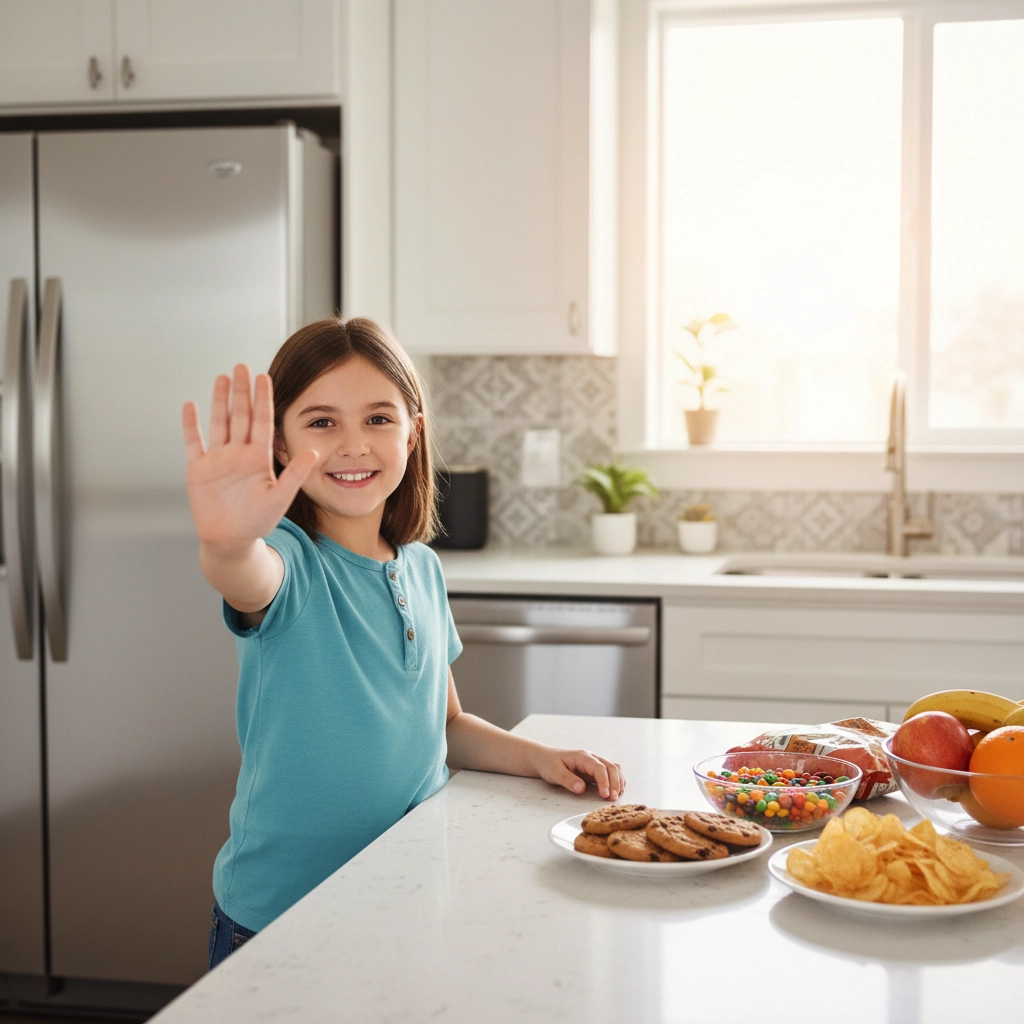
- Practice saying "No, thank you, I'm allergic to that"
- Show them how to use their emergency medication (age-appropriate)
- Help them identify trusted adults at school and activities
For seasonal allergies:
- Help them recognize their own symptoms
- Teach them when to ask for help or medication
- Show them how to minimize exposure (like keeping windows closed in their bedroom)
The Bottom Line
Managing allergies doesn't have to take over your family's life, but it does require attention and planning. The key difference to remember: food allergies require strict avoidance and emergency preparedness, while seasonal allergies are more about reducing exposure and managing symptoms.
Both types of allergies are real, both can significantly impact your child's comfort and quality of life, and both are totally manageable with the right strategies.
Stay connected with your child's healthcare team, keep emergency plans updated, and remember – you're not alone in this. Millions of families successfully navigate life with allergies every single day.
The most important thing? Stay informed, stay prepared, and trust your instincts. You know your child best, and that parental radar is usually spot-on when something doesn't seem right.
With good planning and clear communication, kids with allergies can do everything their friends do – safely. And that's what really matters.


Comments
Post a Comment