Emergency Contact Cards: Why Every Kid Should Have One
Emergency Contact Cards: Why Every Kid Should Have One
Picture this: You're at school when suddenly there's an emergency, your phone is dead, and your parents are nowhere to be found. Scary, right? This is exactly why every kid needs an emergency contact card: it's like having a superhero's backup plan tucked right in your pocket!
Think of an emergency contact card as your personal safety net. It's a simple card that holds all the important information adults need to help you when things go sideways. And trust us, having one could be the difference between a stressful situation and getting help fast.
What Makes Emergency Contact Cards So Important?
When Technology Fails Us
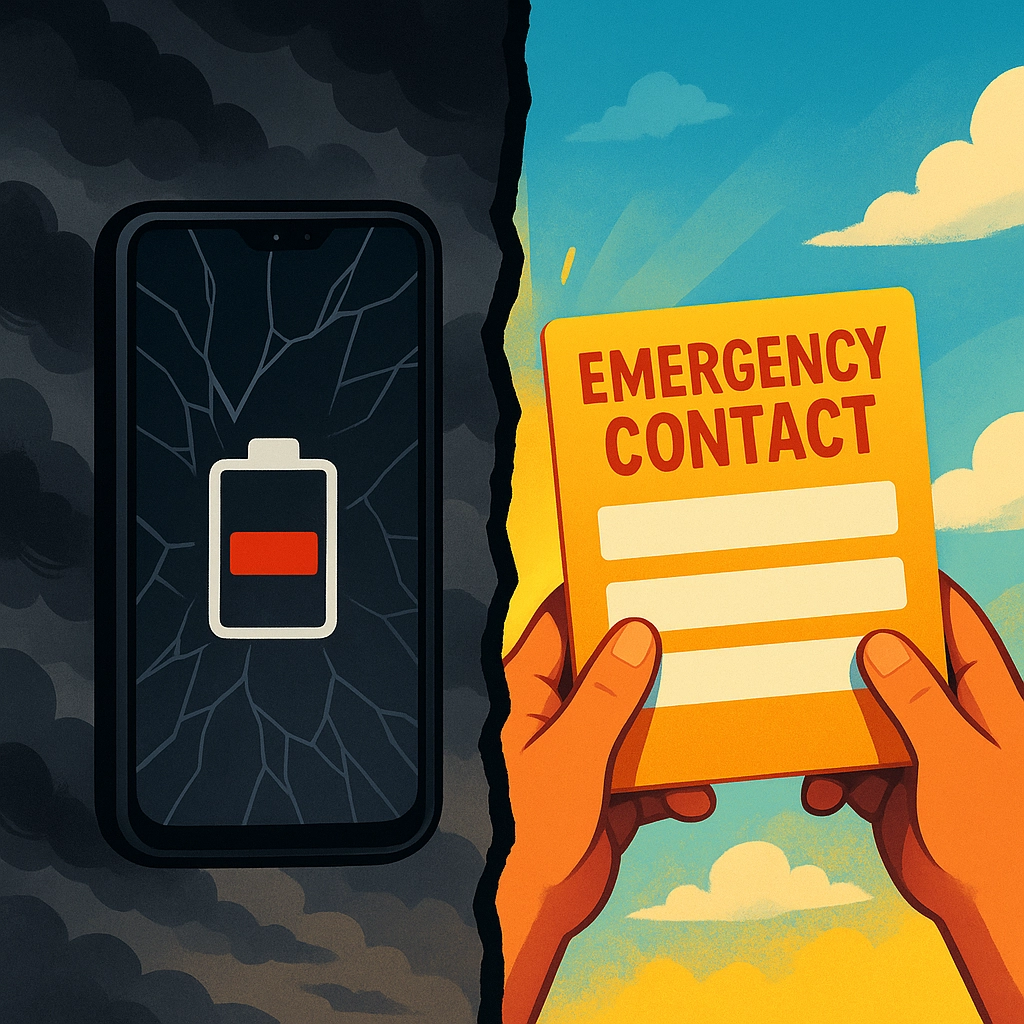
We live in a world where we're used to having our phones solve everything. But what happens when the power goes out, cell towers are down, or your phone battery dies at the worst possible moment? Emergency contact cards become your backup communication system when normal ways of reaching people just aren't working.
During natural disasters like hurricanes, earthquakes, or severe storms, communication systems often fail. Having that physical card with important numbers means you're not stuck hoping your memory serves you right when you're already stressed out.
School Emergencies Happen More Than You Think
Schools deal with all sorts of situations: from medical emergencies to weather-related closures to unexpected lockdowns. When something happens, school staff need to know who to call, and they need that information fast. Your emergency contact card tells them exactly who can pick you up, who has permission to make medical decisions, and who knows about your specific needs.
For families where parents work far away or might not always be reachable, having backup contacts listed can literally save the day. Nobody wants to be the kid sitting in the school office at 6 PM because nobody could reach their parents!
Medical Situations Need Immediate Action
Here's something that might surprise you: emergency contact cards aren't just about phone numbers. They're also about keeping you safe when medical stuff happens. If you have allergies, take medication, or have any health conditions, that information needs to be available instantly.
Imagine if you had a severe allergic reaction at a friend's house, and the adults there didn't know about your EpiPen or which hospital your family prefers. Your emergency contact card could literally be a lifesaver in these moments.
What Goes On The Perfect Emergency Contact Card?
The Basic Must-Haves
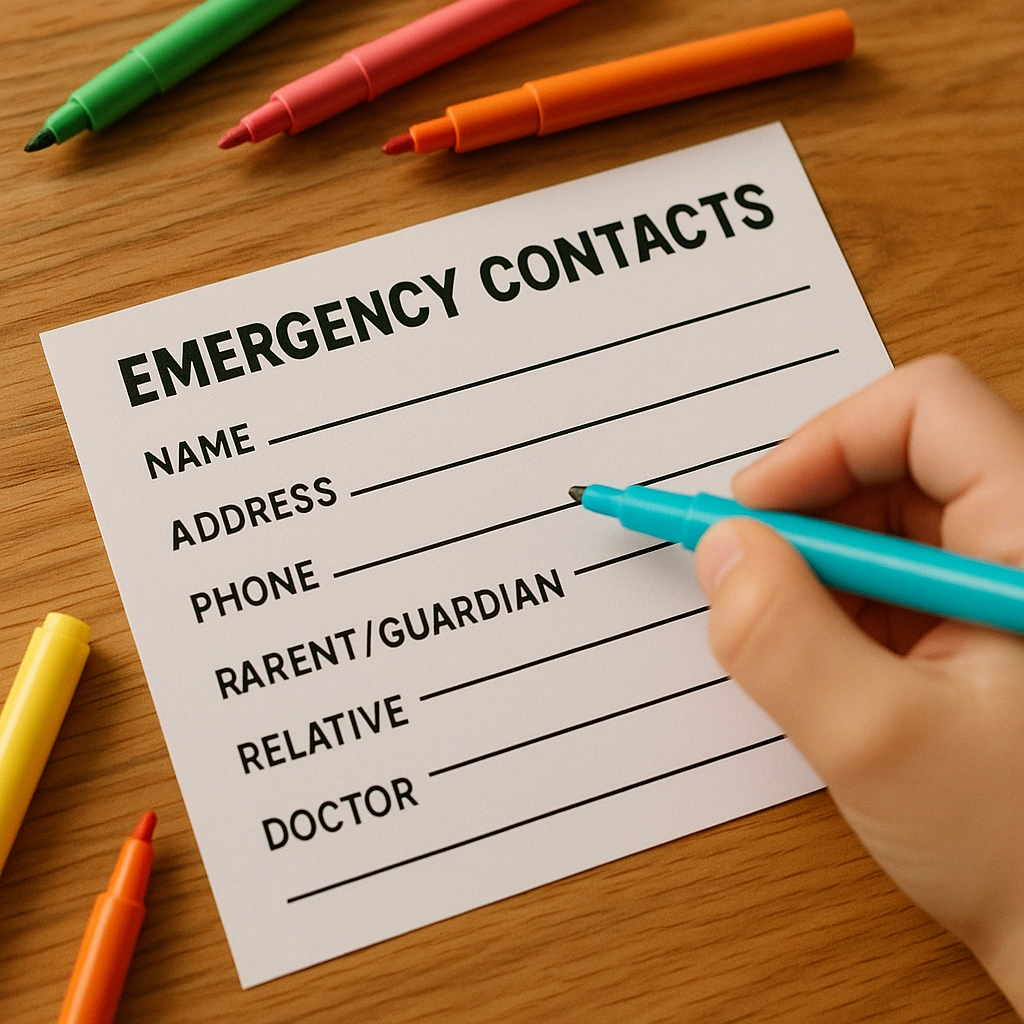
Your emergency contact card should start with the obvious stuff: your full name, birthday, home address, and your parents' or guardians' names and phone numbers. But don't stop there: include work numbers, cell numbers, and even email addresses if that's how your family communicates.
Next up: backup contacts. These should be people who live nearby and who your parents trust completely. Think grandparents, close family friends, or relatives who could step in if needed. Make sure these people know they're on your emergency card and that they're okay with potentially getting a call!
The Medical Details That Matter
This is where your emergency contact card becomes really important. List any allergies: food allergies, medication allergies, environmental allergies like bee stings. If you take any regular medications, write those down too, along with when you take them.
Do you have an inhaler for asthma? An EpiPen for severe allergies? Any medical conditions that affect how you should be treated in an emergency? All of this goes on the card. Also include your doctor's name and phone number, and which hospital your family prefers if there are multiple options in your area.
Special Circumstances and Needs
Some kids have special educational needs, speak a different language at home, or have specific instructions about who can and cannot pick them up. All of this information helps adults make better decisions about your care when your parents aren't around.
If your family has gone through divorce or separation, it's extra important to be clear about who has permission to make decisions and who should be contacted first.
Where Should You Keep These Cards?
Multiple Locations Are Key
Here's the thing about emergency contact cards: one isn't enough. You need copies in multiple places because emergencies don't wait for you to be perfectly prepared.
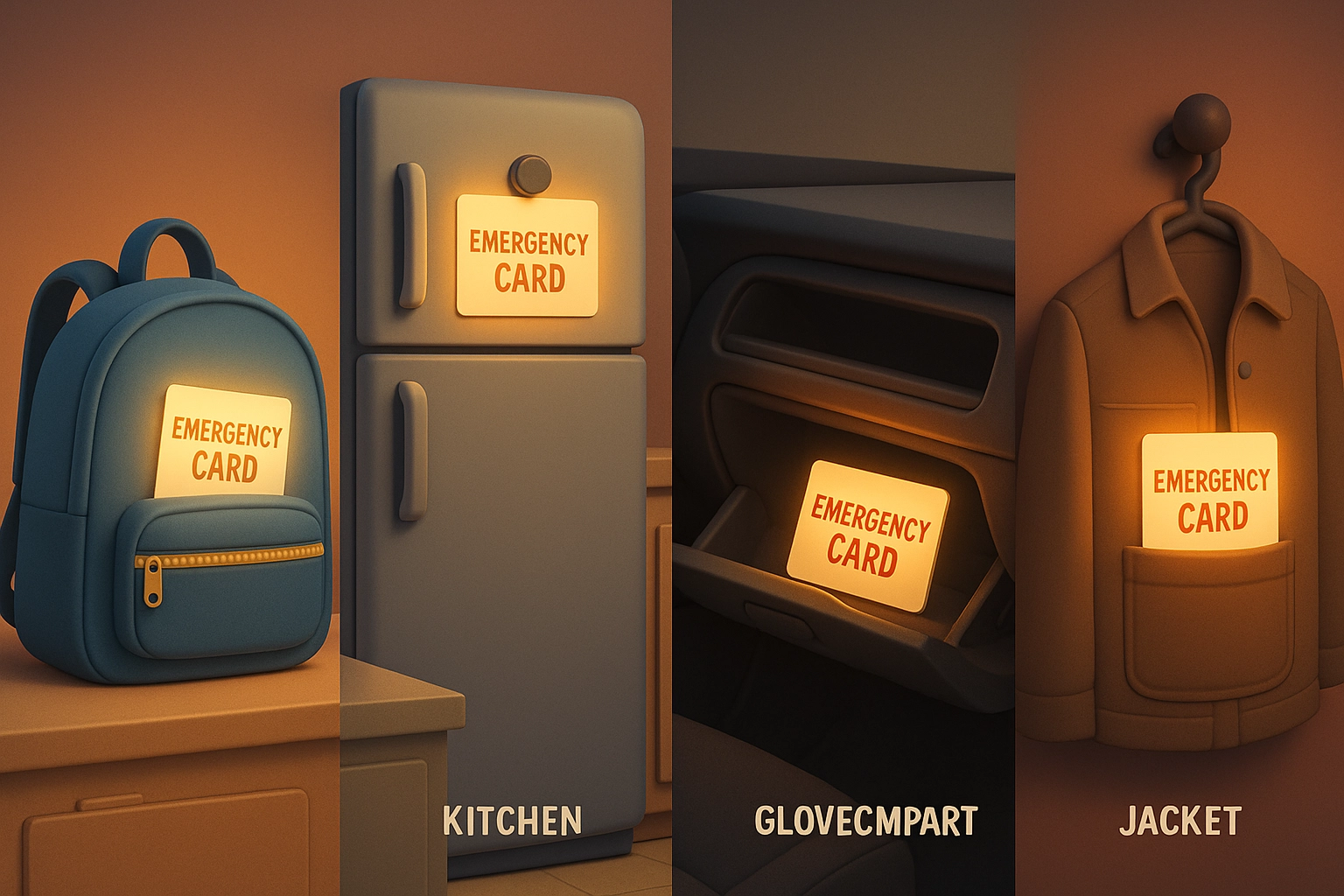
Keep one in your backpack, one in your jacket pocket, and maybe one in your lunch box. At home, your family should have copies in easily accessible places: not buried in a junk drawer, but somewhere like the refrigerator door or a kitchen bulletin board where anyone can find it quickly.
Share The Wealth
Your parents should give copies to anyone who regularly cares for you. This includes teachers, babysitters, daycare providers, grandparents, and even close neighbors who might help in a pinch. If you play sports or do activities, coaches and activity leaders should have copies too.
The idea is that no matter where you are or what you're doing, there's an adult nearby who has access to your emergency information.
The Reality Check: What Emergency Cards Can and Can't Do
What They CAN Do
Emergency contact cards are fantastic for everyday emergencies. They help school staff know who to call when you're sick, who can pick you up for early dismissal, and what medical information is crucial for your care.
They also help during community emergencies when normal communication is disrupted. If there's a natural disaster and you're separated from your family, having that physical card with important numbers can help you reconnect much faster.
What They CAN'T Do
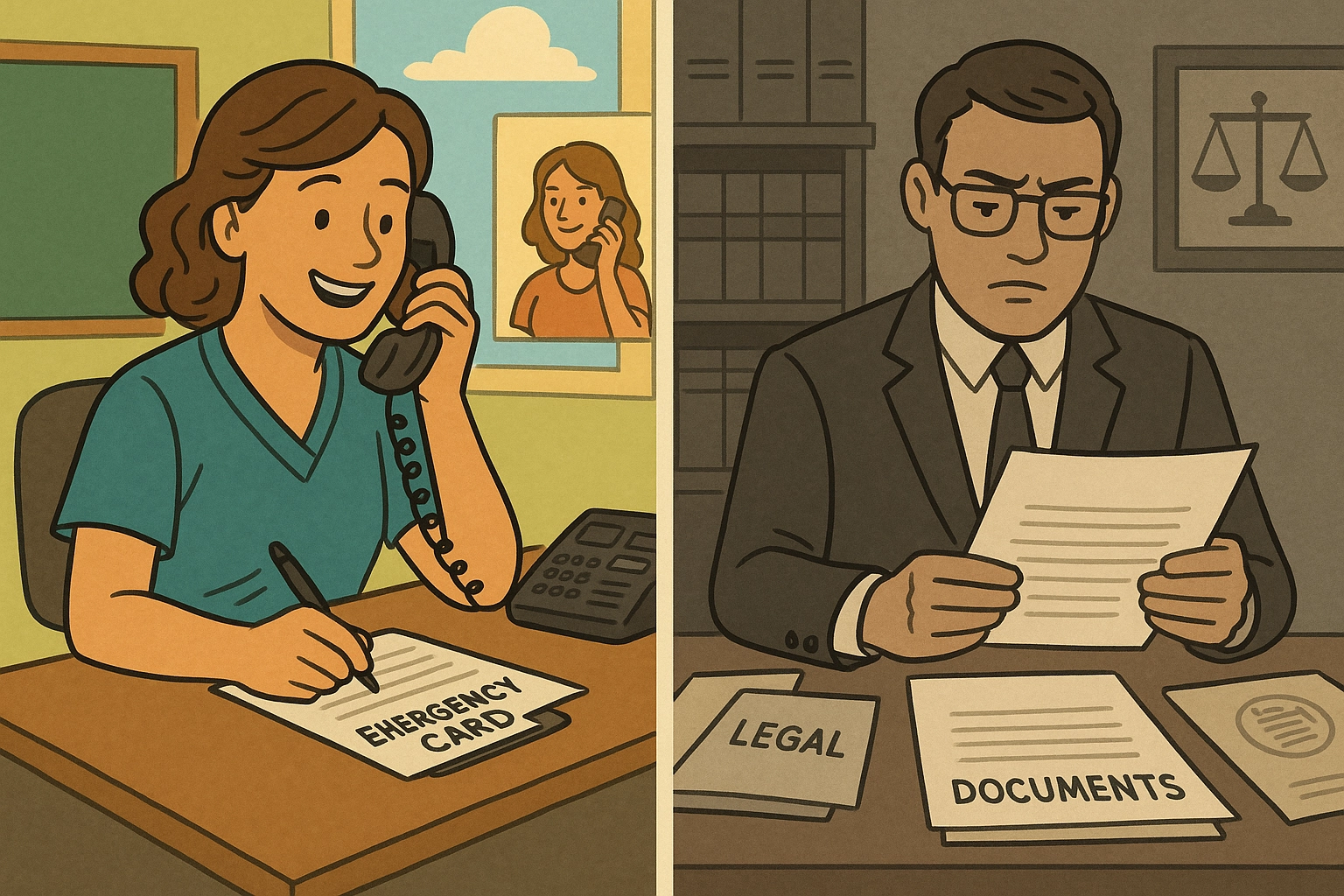
Here's something important that many families don't realize: emergency contact cards don't give other adults legal custody of you if something serious happens to your parents. They're great for everyday situations, but they're not legal documents.
If there was ever a serious accident involving your parents, the adults on your emergency contact card couldn't automatically become your temporary guardians without other legal arrangements in place. That's a separate conversation your parents need to have with lawyers and family members.
Keeping Your Information Current
Regular Update Schedule
Emergency contact cards are only useful if the information is current. Phone numbers change, people move, medical conditions develop, and family situations shift. Your parents should review and update these cards at least twice a year: maybe at the beginning of each school semester.
Any time there's a big change in your family's life: new phone numbers, address changes, new medical conditions, or changes in who should be contacted: those cards need updating immediately.
Digital Backup Options
While physical cards are essential, many families also use smartphone apps or digital systems to store emergency information. These can be great backups, but remember that technology isn't always reliable during actual emergencies.
Some families create a group chat or shared digital document with emergency information, but the physical card should always be your primary backup plan.
Making It Work For Your Family
Every family is different, and your emergency contact card should reflect your specific situation. If you have parents who work unusual hours, live in different places, or have specific instructions about emergencies, make sure all of that is clear on your card.
The goal is to make it as easy as possible for caring adults to help you when you need it most. A well-prepared emergency contact card means faster help, less confusion, and better outcomes when life throws you a curveball.
Remember, having an emergency contact card isn't about expecting bad things to happen: it's about being prepared so you can handle anything that comes your way with confidence. It's one of those simple things that can make a huge difference when it really matters.
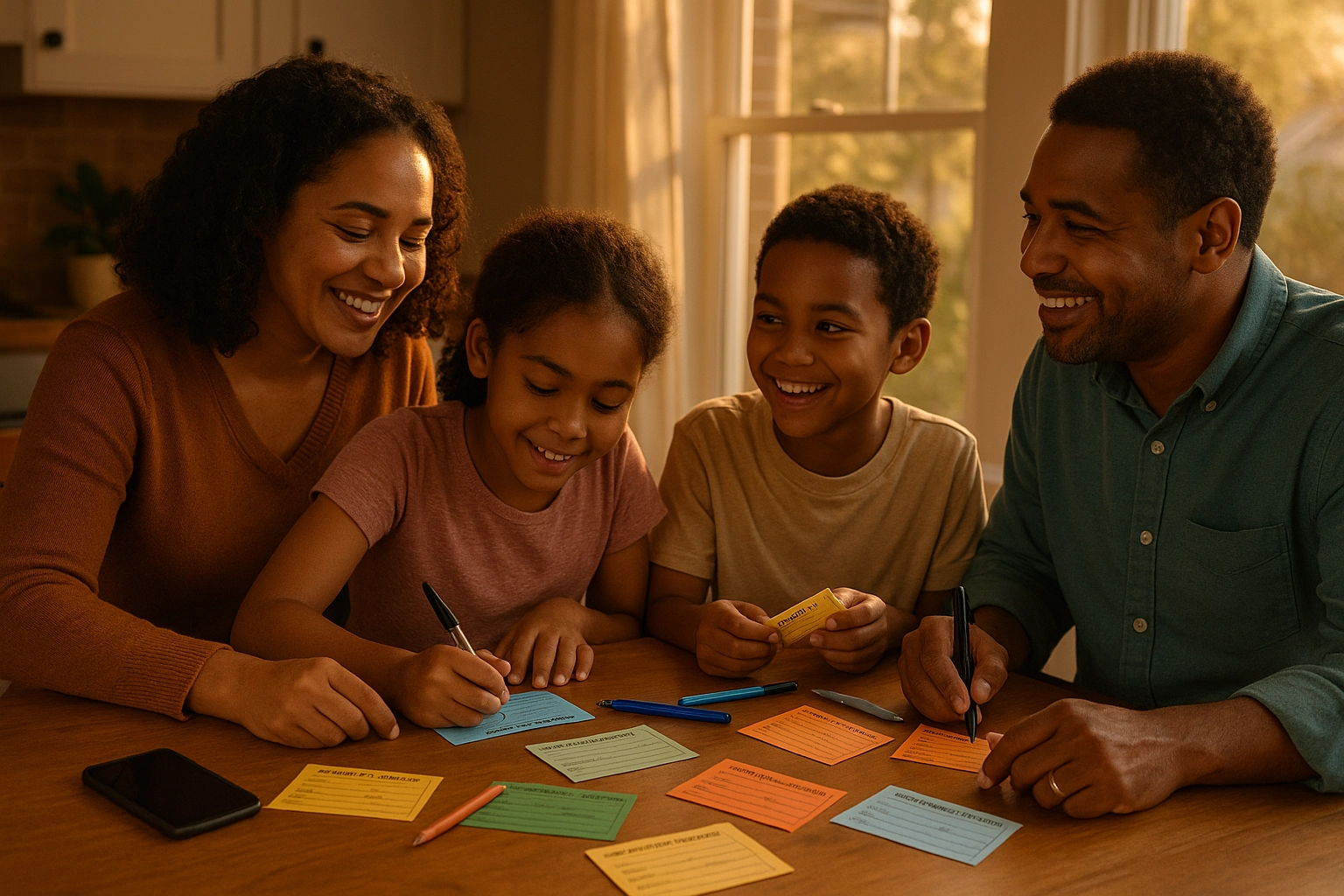
Your emergency contact card is like having a direct line to help, even when everything else seems to be going wrong. Take a few minutes to make sure yours is up to date and in all the right places. Future you will definitely thank present you for being so prepared!


Comments
Post a Comment