Family Emergency Plans: What Every Household Needs
Family Emergency Plans: What Every Household Needs
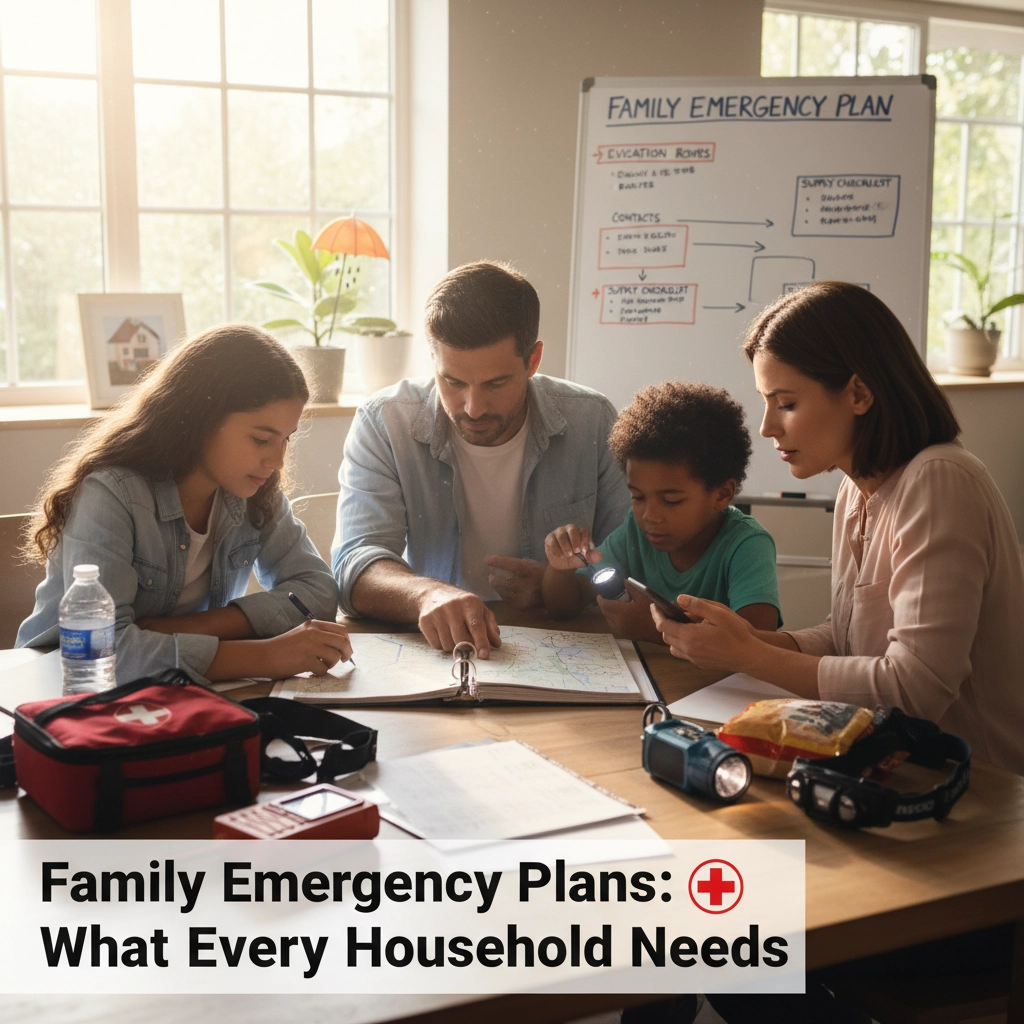
When disaster strikes, there's no time to figure things out on the fly. Whether it's a house fire, severe weather, or an unexpected emergency, having a solid family emergency plan can literally be a lifesaver. Think of it as your family's superhero toolkit – ready to spring into action when you need it most.
But here's the thing: most families don't have an emergency plan. And those that do often have plans that are outdated, incomplete, or stored somewhere nobody can remember. Let's change that right now.
Why Every Family Needs an Emergency Plan
Emergencies don't send invitations. They show up unannounced at 3 AM, during your kid's birthday party, or while you're at work across town. When chaos hits, your brain doesn't work the same way it normally does. Stress hormones flood your system, and even simple decisions become harder.
That's exactly why having a plan ahead of time is so crucial. It takes the guesswork out of those first critical moments when every second counts.
Communication is Your Lifeline

The most important part of any emergency plan is figuring out how your family will communicate when separated. Cell towers can get overwhelmed during disasters, and landlines might not work either. Here's what every family needs:
Pick an Out-of-State Contact Person
Choose someone who lives far away – like a grandparent in another state. During local emergencies, it's often easier to make long-distance calls than local ones. Make sure everyone in the family has this person's phone number memorized and written down in multiple places.
Create a Family Group Text
Set up a group text with all family members who have phones. Test it regularly and make sure everyone knows to check it during emergencies. Pro tip: teach kids to put their phones on "Do Not Disturb" except for family contacts during scary situations.
Establish Check-in Times
Decide on specific times when family members will try to contact each other – like every hour on the hour until everyone is accounted for. This prevents constant calling that can drain phone batteries and clog networks.
Know How to Get Emergency Information
Program local emergency services numbers into everyone's phone. Sign up for community alert systems that send emergency notifications via text or email. And yes, that old-fashioned battery-powered radio is still one of the most reliable ways to get information when the power's out.
Meeting Places: Your Family Reunion Spots
Every family needs at least two meeting places planned ahead of time:
Meeting Place #1: Close to Home
Pick a spot right in your neighborhood that everyone can walk to – like a specific tree in the park, the community mailboxes, or the front of a nearby school. This is where you'll meet if something happens to your house but you can still stay in the neighborhood.
Meeting Place #2: Outside Your Area
Choose somewhere outside your immediate neighborhood in case you can't get back home or need to evacuate the whole area. This might be a relative's house, a community center, or even a specific store parking lot that everyone knows.
Make sure these spots are places your kids can actually get to on their own if needed. Practice walking there together so everyone knows the route.
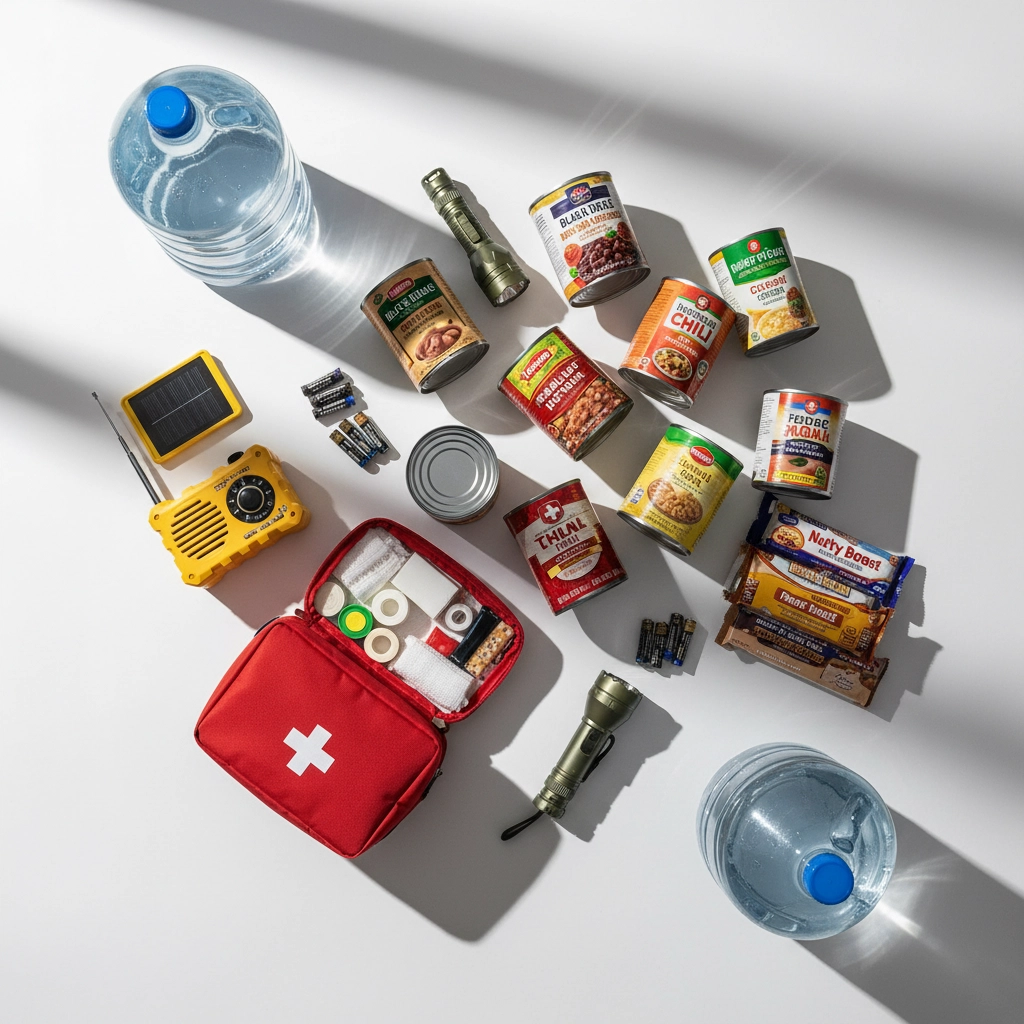
Building Your Emergency Kit: The Essentials
Your emergency kit isn't meant to help you survive in the wilderness for months. It's designed to keep your family safe and reasonably comfortable for at least 72 hours while help arrives or services are restored.
Water: Your Top Priority
Store one gallon of water per person per day, for at least three days. That's 12 gallons for a family of four. It sounds like a lot, but you need water for drinking, cooking, and basic hygiene. Don't forget to include water for pets too.
Store water in food-grade containers and replace it every six months. Keep some small bottles in your car and at work as well.
Food That Actually Gets Eaten
Stock up on non-perishable foods that don't need cooking and that your family will actually eat. There's no point having emergency supplies if your picky eater won't touch them. Good options include:
- Canned fruits, vegetables, and meats
- Protein bars and granola bars
- Nuts and dried fruits
- Crackers and peanut butter
- Baby food and formula if needed
Remember to include a manual can opener and disposable plates and utensils.
Light and Communication
Flashlights and extra batteries are obvious, but don't stop there. Include:
- Battery-powered or hand-crank radio
- Cell phone chargers and backup batteries
- Glow sticks (kids love these, and they're safer than candles)
- Matches in a waterproof container
First Aid and Personal Care
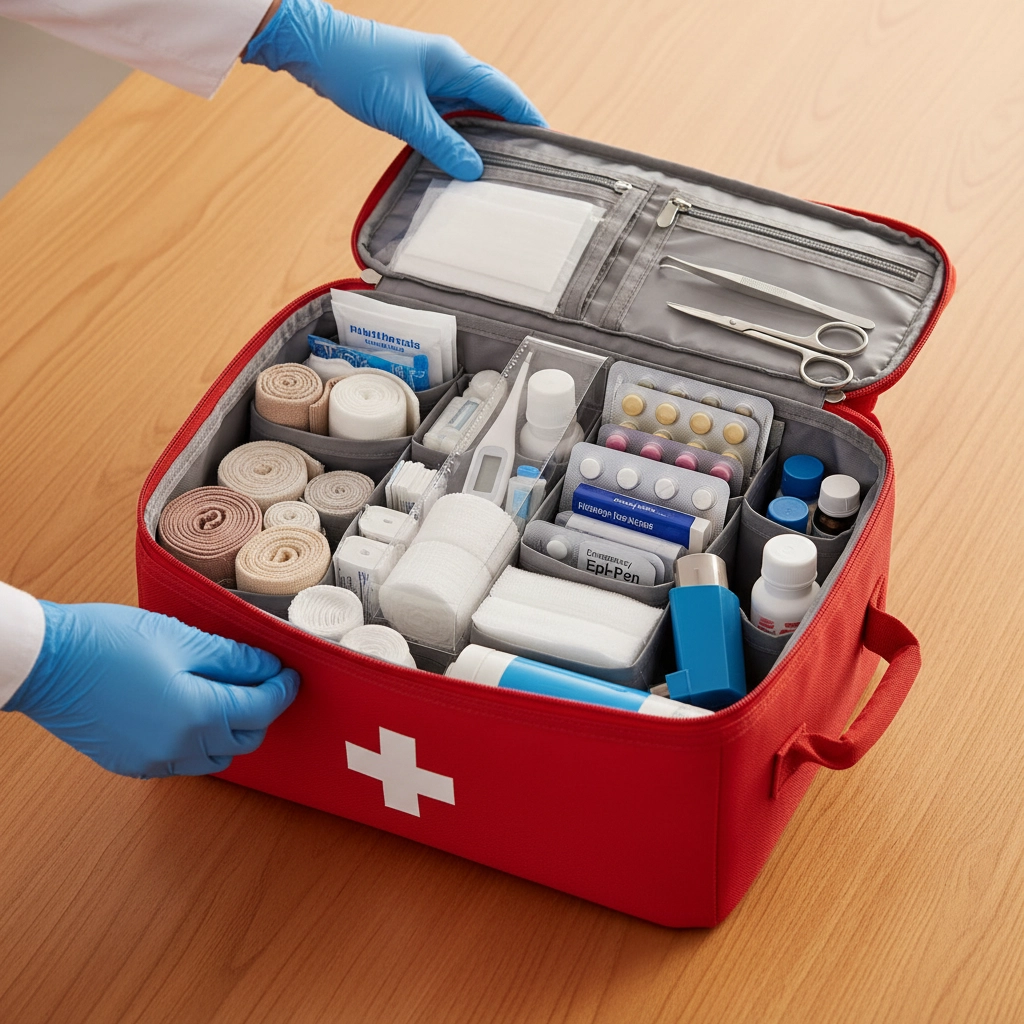
Your first aid kit should go beyond just Band-Aids. Include:
- Various sizes of bandages and gauze
- Antiseptic wipes and antibacterial ointment
- Thermometer and disposable gloves
- Pain relievers and fever reducers
- Any prescription medications your family needs
- Emergency medications like inhalers or EpiPens
Don't forget personal hygiene items: soap, toothbrushes, feminine hygiene products, diapers if needed, and garbage bags for sanitation.
Special Family Considerations
Every family is different, and your emergency plan needs to reflect that.
Kids Need Extra Attention
Children might not understand what's happening during an emergency, which can make them scared or difficult to manage. Include comfort items like a favorite stuffed animal or blanket in your emergency kit. Practice your emergency plan with kids in a way that's informative but not frightening – make it a family game rather than a scary drill.
Teach children important information like their full name, parents' names, address, and phone number. Even young children can learn this information through songs or games.
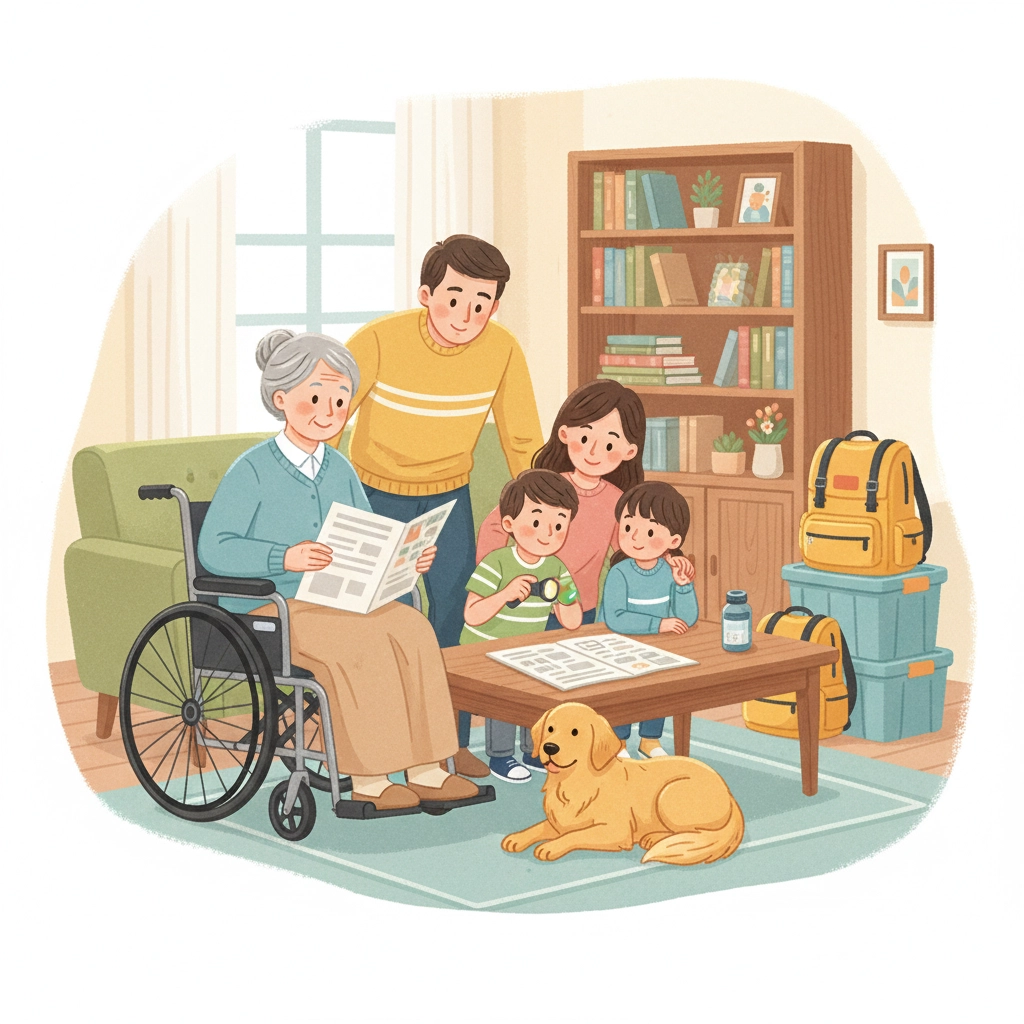
Elderly Family Members and Disabilities
If anyone in your family has mobility issues, needs special medical equipment, or takes critical medications, your plan needs to account for this. Consider:
- How will you help them evacuate quickly?
- Do you have backup power for medical devices?
- Are there extra medications stored?
- Is there a backup wheelchair or walker?
Don't Forget Your Pets
Pets are family members too, but many emergency shelters don't allow animals. Research pet-friendly hotels and shelters in your area ahead of time. Keep carriers, leashes, pet food, medications, and important pet documents easily accessible.
Shelter-in-Place Planning
Sometimes the safest thing to do during an emergency is stay put and wait it out. For shelter-in-place situations, choose an interior room on the lowest floor with the fewest windows. This room should have:
- Emergency supplies
- Battery-powered radio
- Plastic sheeting and duct tape to seal windows and vents if needed
- Comfortable seating or bedding
Keeping Your Plan Current
An emergency plan is only good if it's up to date. Review and update your plan every six months. Check expiration dates on food and water, test equipment, and make sure contact information is current.
As kids grow up, their abilities and needs change. A plan that worked when your children were toddlers won't work when they're teenagers who might not even be home during an emergency.
Making Practice Fun, Not Frightening
Regular family emergency drills don't have to be scary. Turn them into games or competitions:
- Time how fast everyone can grab their emergency bag
- Practice meeting at your designated spots
- Quiz each other on emergency contact numbers
- Let kids help check and organize emergency supplies
The goal is building confidence and muscle memory, not creating anxiety.

Document Everything
Keep copies of important documents in waterproof containers: IDs, insurance policies, bank account information, and family photos. Store digital copies in cloud storage that you can access from anywhere.
The Bottom Line
Creating a family emergency plan might seem overwhelming, but you don't have to do everything at once. Start with the basics – communication plan and meeting places – then build your emergency kit over time. The most important thing is getting started.
Remember, this plan isn't just for major disasters. It's useful for smaller emergencies too, like power outages, getting locked out of the house, or medical emergencies. When your family knows what to do and where to go, everyone feels more secure.
Your family's safety is worth the time investment. Start today, involve everyone in the planning, and sleep better knowing you're prepared for whatever comes your way.


Comments
Post a Comment