The Buddy System: How It Keeps You Safe
The Buddy System: How It Keeps You Safe
Ever heard the saying "two heads are better than one"? Well, when it comes to staying safe, two people looking out for each other is definitely better than going it alone! The buddy system is like having your own personal safety superhero right by your side: except you get to be their superhero too.
Think of it this way: you and your buddy are like a two-person safety team. You watch each other's backs, share what you notice, and help each other make smart choices. It's not just about having company (though that's pretty awesome too): it's about creating a safety net that catches problems before they become big deals.
What Exactly Is the Buddy System?
The buddy system is simply pairing up with someone you trust to look out for each other's safety and wellbeing. You become each other's safety partners, sharing equal responsibility for keeping both of you secure and sound. It's like being safety detectives working together to spot trouble and prevent problems.
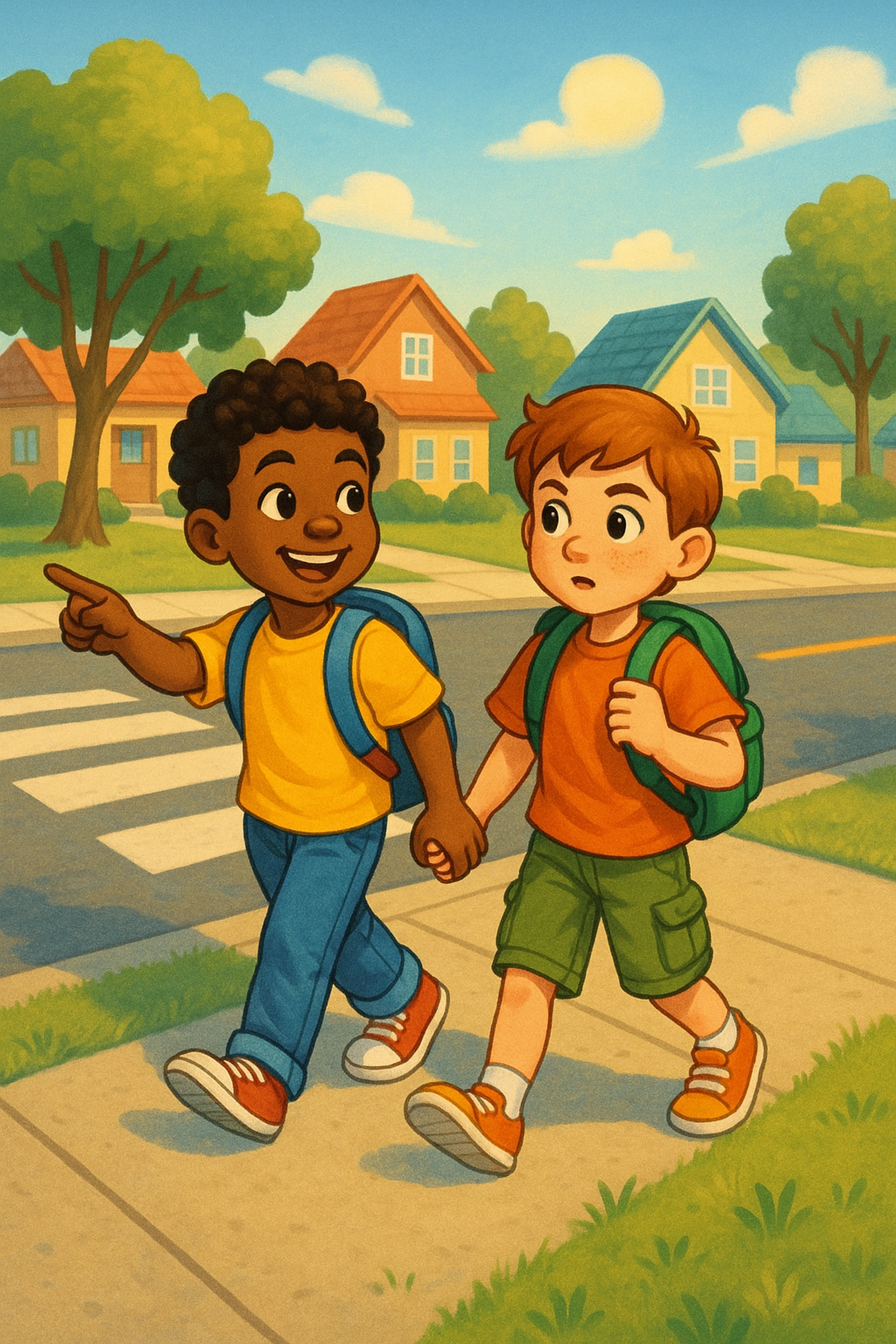
This system works because two people can see, hear, and notice things that one person might miss. While you're focused on crossing the street, your buddy might notice a car that doesn't seem to be slowing down. While your buddy is concentrating on their homework at the library, you might notice someone acting suspiciously nearby.
The best part? Research shows that buddy systems can reduce the risk of accidents and dangerous situations by up to 50%! That's like cutting your chances of getting hurt in half, just by having someone awesome watching out for you.
How Does It Actually Work?
The buddy system operates in two main ways, depending on what you're doing:
Method 1: Stay Together
This is perfect for activities like walking to school, going to the playground, or exploring a new neighborhood. You and your buddy stick together, doing everything as a team. You watch for dangers together, make decisions together, and help each other stay alert.
Method 2: Stay Connected
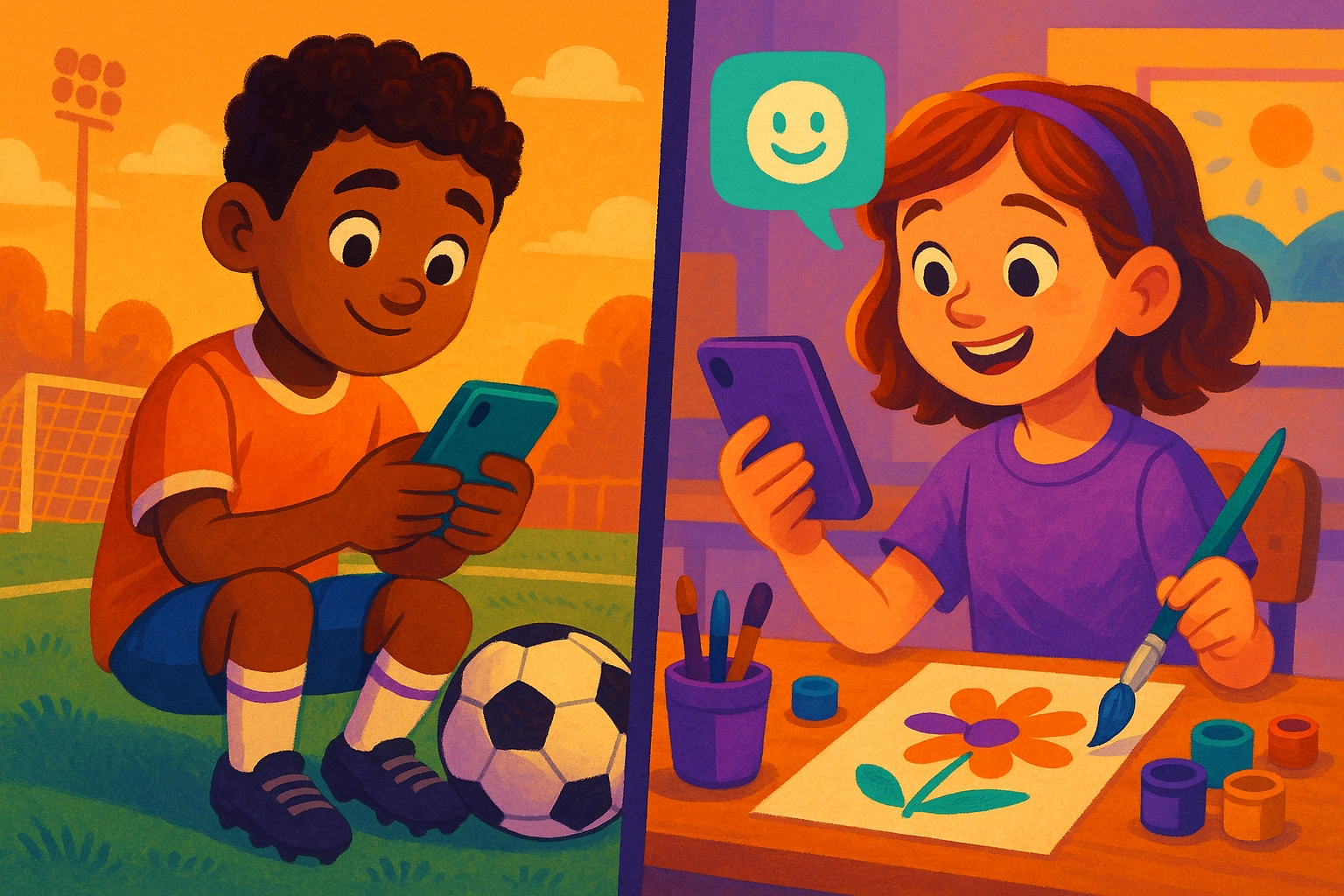
Sometimes you can't physically be together, but you can still be safety buddies! This works great for things like walking home from different after-school activities. You share your plans (where you're going, what route you'll take, when you expect to arrive), check in with texts or calls, and make sure both of you get where you're supposed to go safely.
Why Two Is Better Than One
Having a buddy dramatically improves your safety in several amazing ways:
Extra Eyes and Ears
While you're paying attention to one thing, your buddy can focus on something else. Maybe you're great at noticing if a playground looks broken or dangerous, while your buddy is awesome at spotting people who seem suspicious or unfriendly.
Better Decision Making
When you're trying to decide if something is safe or not, having someone to talk it through with helps you make smarter choices. Your buddy might think of risks you hadn't considered, or they might help you realize something you thought was dangerous is actually perfectly fine.

Instant Help
If something goes wrong, your buddy can get help immediately. If you trip and hurt your ankle, your buddy can run to get a grown-up. If your buddy feels sick, you can help them get to the school nurse. No one has to handle emergencies alone.
Confidence Boost
Everything feels less scary and more manageable when you have someone you trust right there with you. This confidence actually makes you safer because you're more likely to speak up, ask questions, or remove yourself from situations that don't feel right.
The Buddy System in Action
Let's look at how this works in real situations you face every day:
Walking to School
Instead of walking alone, you and your buddy meet up and walk together. You both know the safest route, you watch for traffic together, and if one of you notices something that doesn't feel right, you both change your path or get help from a trusted adult.
Playground Time
Playing with a buddy means you can take turns trying new equipment while the other person watches and spots potential problems. If the monkey bars look slippery from morning dew, your buddy can warn you. If someone is being mean or inappropriate, you both can leave together and tell a grown-up.
After-School Activities
Even when you're in different clubs or sports, you can still be safety buddies. You tell each other your schedule, when practice ends, and how you're getting home. You check in with quick texts to confirm you're safe, and if someone doesn't check in as planned, you both know to get help.
Online Safety
Your buddy system can extend to the digital world too! You and your safety partner can share concerns about weird messages, inappropriate content, or people online who make you uncomfortable. Two people thinking about online safety are much better at spotting scams, cyberbullying, or other digital dangers.
Making Your Buddy System Work
To get the most safety benefits from your buddy system, keep these key tips in mind:
Choose the Right Buddy
Pick someone responsible who takes safety seriously, but don't make it boring! Your safety buddy should be someone you trust, someone who communicates well, and someone who won't pressure you into unsafe situations.
Create Your Safety Plan
Decide together how your buddy system will work. Will you always stick together, or will you check in by phone? What's your plan if one of you feels unsafe? How will you get help if you need it?
Practice Regular Check-ins
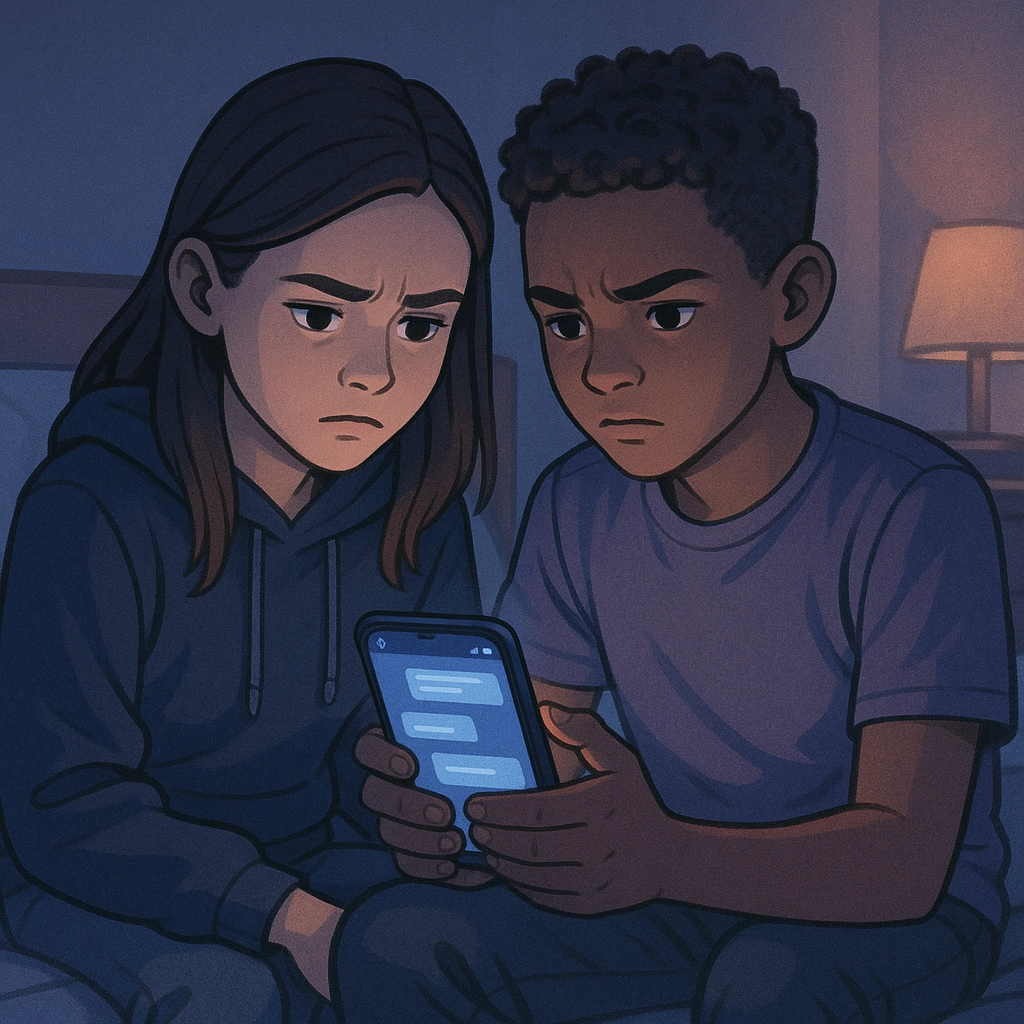
If you're not together physically, establish times to check in. Maybe you text when you arrive at your destination, or you call each other when you get home from different activities. Make it a habit so it becomes automatic.
Trust Your Instincts Together
If either of you feels like something isn't right, take it seriously. The buddy system works best when both people feel free to speak up about concerns without being judged or dismissed.
Age-Specific Buddy Benefits
For Younger Kids (Ages 5-8)
Your buddy can help you remember safety rules, like looking both ways before crossing the street or staying where grown-ups can see you. Having a friend makes following safety rules feel more like a fun game than boring homework.
For Tweens (Ages 9-12)
Your buddy system can help you navigate more independence safely. Whether you're walking to a friend's house or going to the store with allowance money, having someone who knows your plan and expects you to check in creates accountability that keeps you safer.
For Teens (Ages 13+)
The buddy system becomes crucial for social situations, dating, parties, and driving. Your safety buddy can be your designated check-in person, your backup plan, and your voice of reason when peer pressure gets intense.

Beyond Just Friends
Your safety buddy doesn't always have to be someone your age. Sometimes the best buddy system involves:
- A responsible older sibling
- A trusted family friend
- A reliable neighbor
- A responsible adult like a teacher or coach
- Even parents who act as safety buddies for certain activities
The key is choosing someone who genuinely cares about your safety and wellbeing, communicates clearly, and can be counted on when you need them.
Emergency Action Plans
Every good buddy system includes knowing exactly what to do if something goes wrong. You and your buddy should both know:
- How to contact emergency services (911)
- How to reach each other's parents or guardians
- Where to go for help in different locations you frequent
- Your family's emergency contact information
- Basic first aid basics appropriate for your age
Remember, the buddy system isn't about living in fear: it's about being smart, prepared, and looking out for each other. When you and your safety buddy work together, you create a powerful team that can handle whatever comes your way, have more fun, and stay safer while doing all the things you love.
The next time you're heading out for an adventure, remember: you're stronger, smarter, and safer when you're not going it alone. Find your buddy, make your plan, and go explore the world with confidence!


Comments
Post a Comment