LGBTQ+ Safety Tips for Teens: Standing Strong & Finding Support
LGBTQ+ Safety Tips for Teens: Standing Strong & Finding Support
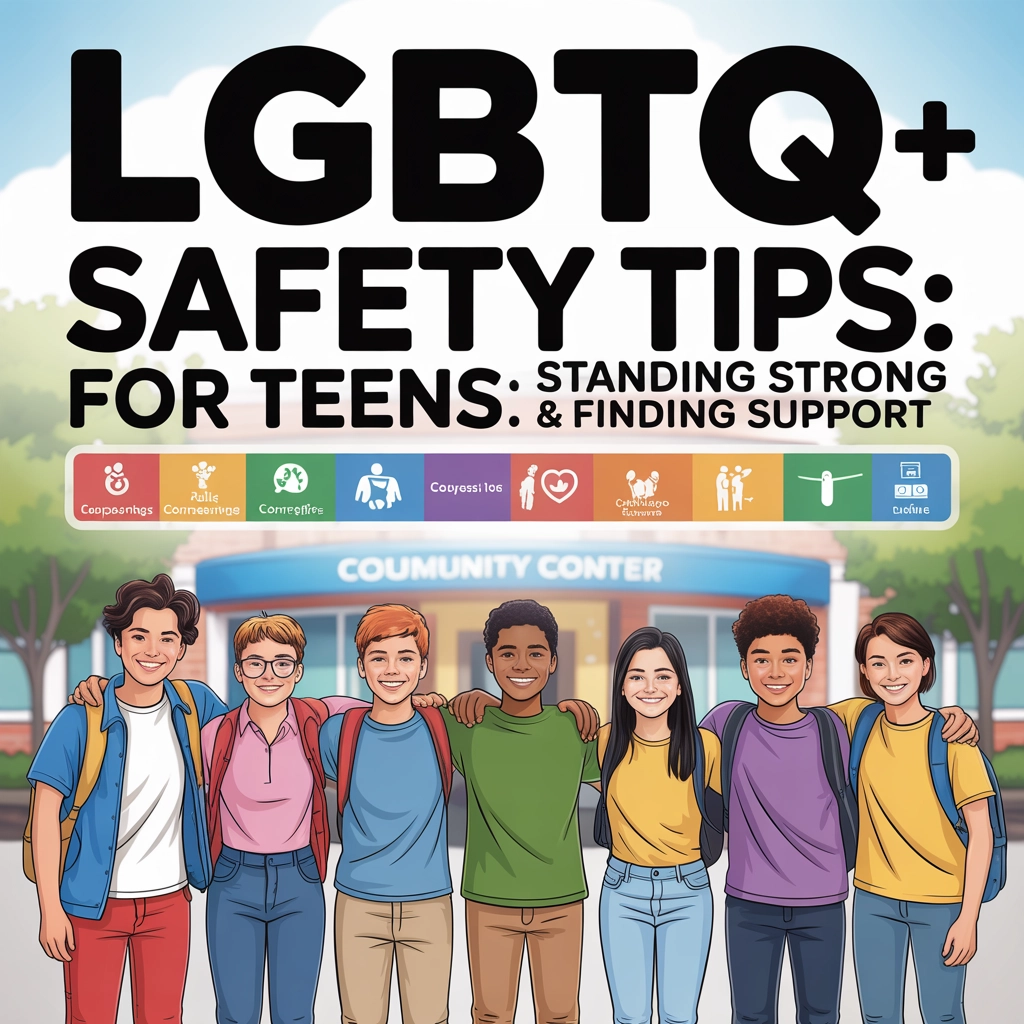
Being an LGBTQ+ teen means navigating the world with extra awareness, but it also means you're part of an incredibly resilient and vibrant community. Your safety matters, your voice matters, and you deserve to feel secure while being authentically yourself. Whether you're just coming out, fully out and proud, or somewhere in between, these practical safety tips will help you stay protected while building the support network every teen deserves.
Trust Your Gut: The Power of Intuition
Your instincts are your first line of defense. If a situation, person, or place doesn't feel right, trust that feeling. This isn't about being paranoid, it's about honoring the wisdom your body and mind provide. When you walk into a room and feel uncomfortable, when someone's questions feel invasive, or when a situation seems off, listen to those internal alarms.
Practice confident body language even when you don't feel confident inside. Stand tall, make eye contact, and take up space. This isn't just about appearing strong to others, it's about reminding yourself that you belong wherever you are. Your presence matters, and you have every right to exist authentically in any space.

School Safety: Creating Your Bubble of Support
School can be challenging, but there are ways to make it safer. Start by identifying at least one trusted adult, whether that's a teacher, counselor, coach, or administrator. Having someone in your corner makes an enormous difference when you need support or intervention.
Document everything. If you experience harassment, discrimination, or bullying, write it down with dates, times, locations, and witnesses. This isn't just for reporting purposes, it helps you recognize patterns and gives you concrete information when seeking help. Many schools have anti-bullying and non-discrimination policies that specifically protect LGBTQ+ students, so familiarize yourself with these resources.
Look for or help create safe spaces like Gender-Sexuality Alliances (GSAs) or similar clubs. These groups provide community and can advocate for policy changes that benefit all LGBTQ+ students. If your school doesn't have one, consider approaching a supportive teacher about starting one.
Digital Safety: Protecting Your Online Life
Your digital footprint is permanent, so think carefully about what you share online. While connecting with other LGBTQ+ teens and communities online can be lifesaving, it also comes with risks. Use privacy settings on all social media platforms and be selective about who can see your posts.
Consider using a separate email address for LGBTQ+-related activities or when joining online communities. This helps protect your privacy and keeps your personal and community lives separate if needed. When choosing usernames or handles, avoid using your real name or information that could identify your location or school.
Be cautious about sharing photos that reveal identifying information, avoid pictures with your house number, school name, uniforms, or other location markers visible. Geotagging can reveal your exact location, so turn off location services for social media apps.

If you're using dating apps (following age requirements), meet in public places and tell a trusted friend where you're going. Never share personal information like your address, phone number, or school name until you've built genuine trust with someone over time.
Travel and Public Spaces: Staying Safe While Exploring
When traveling or exploring new places, research LGBTQ+ friendly areas and businesses beforehand. Many cities have LGBTQ+ visitor centers or resources that can guide you to welcoming spaces. Apps like misterb&b or websites like Purple Roofs can help identify LGBTQ+-friendly accommodations and businesses.
In public spaces, be aware of your surroundings without being fearful. Walk with purpose, stay in well-lit areas, and trust your instincts about people and situations. If you feel unsafe, head toward populated areas, businesses, or public buildings where you can ask for help.
Consider carrying a personal safety alarm, a small device that makes a loud noise when activated. This can startle someone who's bothering you and draw attention from others who might help.
Social Events and Dating: Having Fun Safely
LGBTQ+ social events can be incredible for meeting like-minded people and building community, but safety should always come first. When attending parties, pride events, or other gatherings, go with friends when possible and establish check-in times with trusted people.
Learn to recognize the signs of someone trying to separate you from your friends or make you uncomfortable. Trust your feelings if someone's attention feels unwanted or aggressive. It's always okay to say no, leave a situation, or ask for help from event organizers or security.

If you're dating, take things slowly and meet in public places. Share your plans with trusted friends and have your own transportation. Remember that healthy relationships respect your boundaries and never pressure you to do anything that makes you uncomfortable.
Building Your Support Network
Creating a strong support network takes time, but it's one of the most important things you can do for your safety and well-being. This network might include family members, friends, teachers, counselors, community leaders, and online connections.
Don't put all your support needs on one person: having multiple people you can turn to for different situations is healthier for everyone involved. Some people might be great for daily check-ins, others for crisis support, and still others for fun and celebration.
Look for local LGBTQ+ youth groups, community centers, or support organizations. Many cities have resources specifically for LGBTQ+ teens, including support groups, social events, and crisis intervention services. National organizations like The Trevor Project provide 24/7 crisis support and resources.
When Things Go Wrong: Crisis Planning and Resources
Despite your best efforts, you might find yourself in dangerous or uncomfortable situations. Having a plan helps you respond quickly and effectively. Program important numbers into your phone and write them somewhere accessible in case your phone isn't available.
Create code words or signals with trusted friends that indicate you need help. This could be a specific text message, a particular phrase in conversation, or a social media post that alerts your network that something's wrong.
Know your local emergency resources beyond just 911. This includes LGBTQ+-friendly crisis hotlines, safe houses, legal aid organizations, and medical facilities that provide inclusive care. The Trevor Project (1-866-488-7386), LGBT National Hotline (1-888-843-4564), and Trans Lifeline (877-565-8860) are national resources available 24/7.
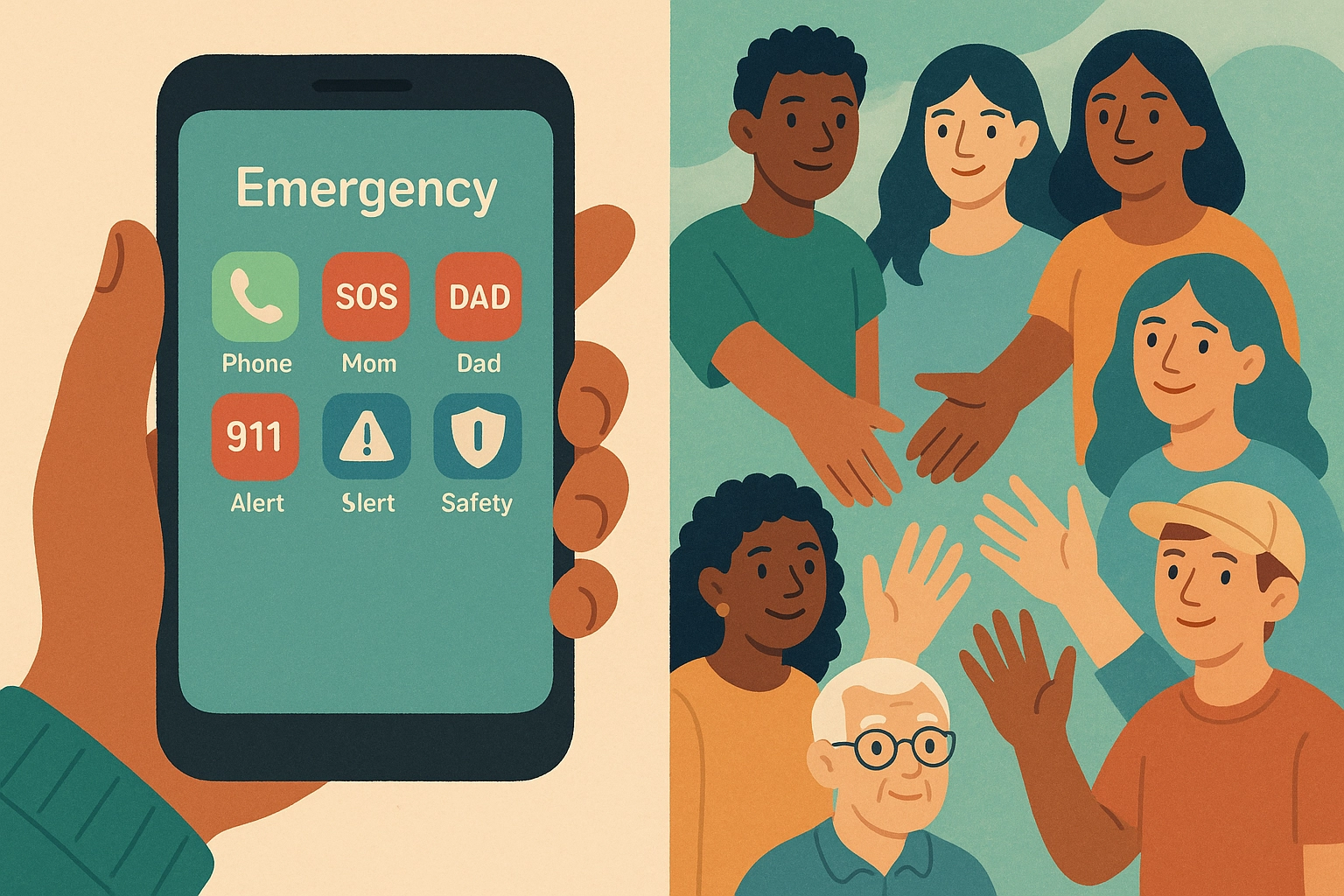
If you're experiencing violence or abuse at home, know that specialized resources exist to help LGBTQ+ youth in these situations. Family rejection is real, but so is the support available to help you navigate these challenges.
For Parents, Family, and Allies: How to Support LGBTQ+ Teens
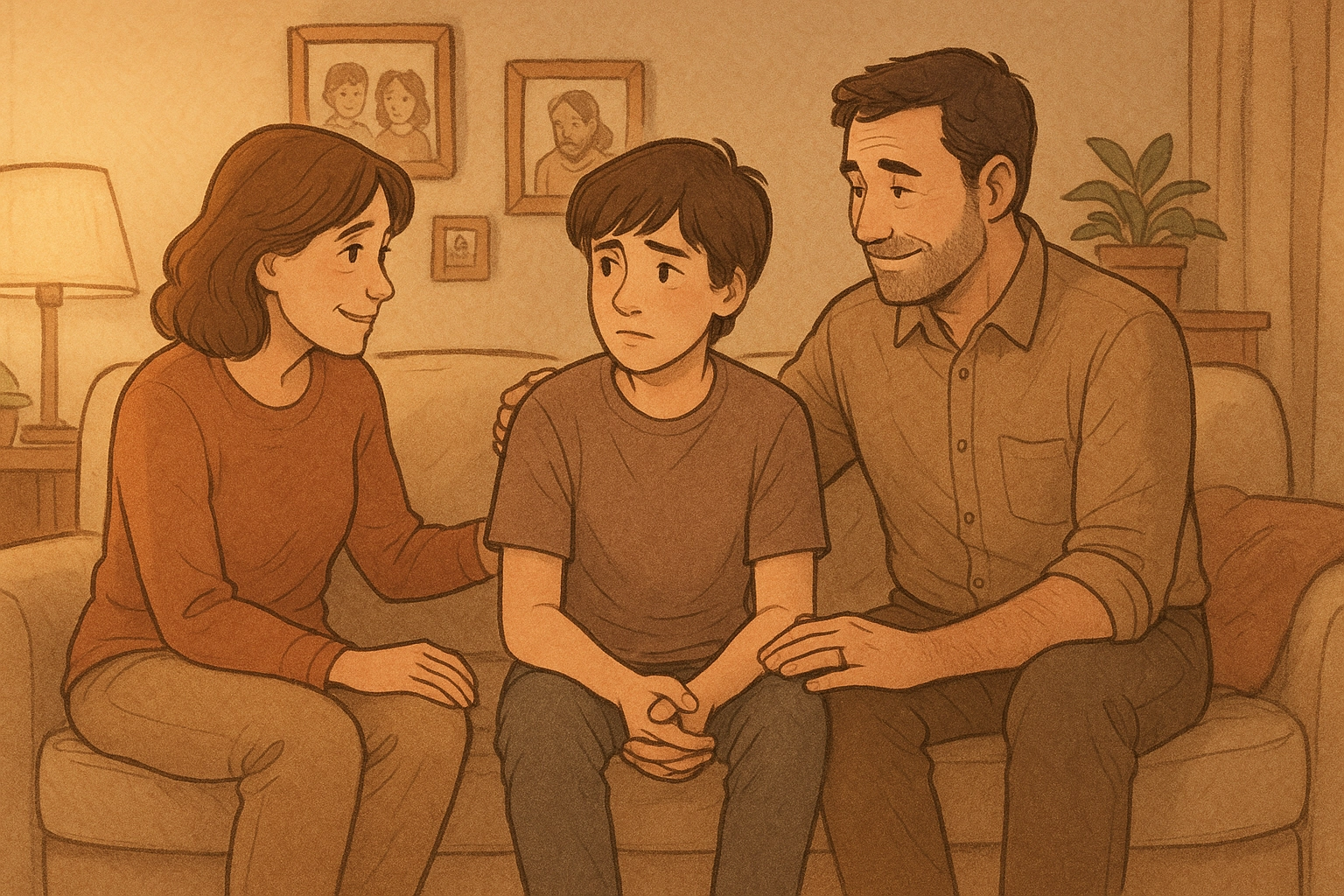
If you're reading this as a parent, family member, or ally, your support can be lifesaving. Start by listening without judgment and educating yourself about LGBTQ+ issues and challenges. Your teen shouldn't have to be your only source of education.
Create an environment where your teen feels safe coming to you with problems or concerns. This means responding calmly to difficult situations and working together to find solutions rather than imposing restrictions that might push them toward less safe options.
Learn about the resources available in your community and online. Understand the signs of depression, anxiety, and other mental health challenges that disproportionately affect LGBTQ+ youth. Consider family counseling with an LGBTQ+-affirming therapist if needed.
Advocate for your teen in school and other environments. This might mean speaking up about bullying, requesting inclusive policies, or simply being visible as a supportive family member at school events.
Moving Forward with Confidence
Safety isn't about living in fear: it's about being prepared so you can live authentically and joyfully. Every LGBTQ+ teen deserves to feel secure, supported, and celebrated for who they are. While challenges exist, so do incredible communities, resources, and people who want to see you thrive.
Remember that your safety strategies might need to evolve as you grow and your circumstances change. What works in high school might need adjustment in college or as you enter the workforce. Stay flexible, keep learning, and don't hesitate to reach out for help when you need it.
You are worthy of safety, love, and belonging exactly as you are. Your voice matters, your experiences matter, and your well-being matters. By taking practical steps to protect yourself while building strong support networks, you're not just surviving: you're setting yourself up to flourish as the amazing person you're meant to be.
The LGBTQ+ community has a long history of resilience, creativity, and mutual support. You're part of that legacy, and that legacy includes looking out for one another. Stay safe, stay strong, and remember that you're never truly alone in this journey.


Comments
Post a Comment