Home Alone Safety: Rules Every Family Should Set
Home Alone Safety: Rules Every Family Should Set
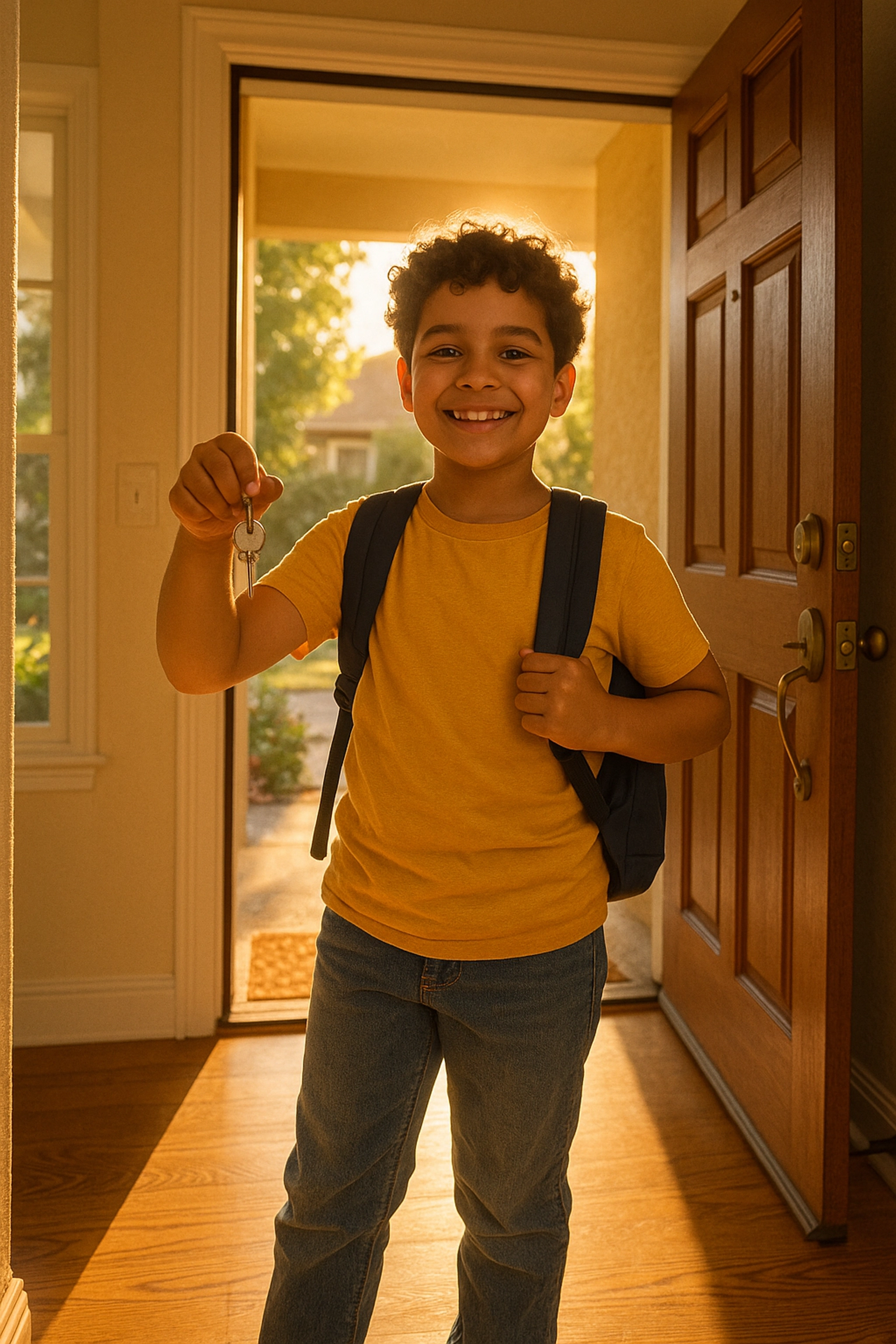
That moment when you realize your kiddo is ready to stay home alone can feel both exciting and terrifying. One minute they're asking for help tying their shoes, and the next they're confidently declaring they can handle a few hours solo. While this milestone marks a big step toward independence, it also means it's time to establish some serious safety ground rules.
The key to successful home-alone time isn't just crossing your fingers and hoping for the best, it's creating a comprehensive safety plan that everyone understands and can follow. Let's dive into the essential rules every family should set before leaving kids home alone.
Is Your Child Really Ready?
Before we jump into the rules, let's talk readiness. Age isn't the only factor here, though it's a good starting point. Children 7 and under should never be left alone, period. Kids ages 8-10 can handle short periods (think 3 hours max), but only if they're mature enough to follow instructions consistently.
The real question isn't "How old is my child?" but rather "Can my child handle unexpected situations calmly?" If your kiddo still panics when they can't find their favorite stuffed animal, they might not be ready to manage real emergencies solo.
The Golden Rule: Never Open That Door
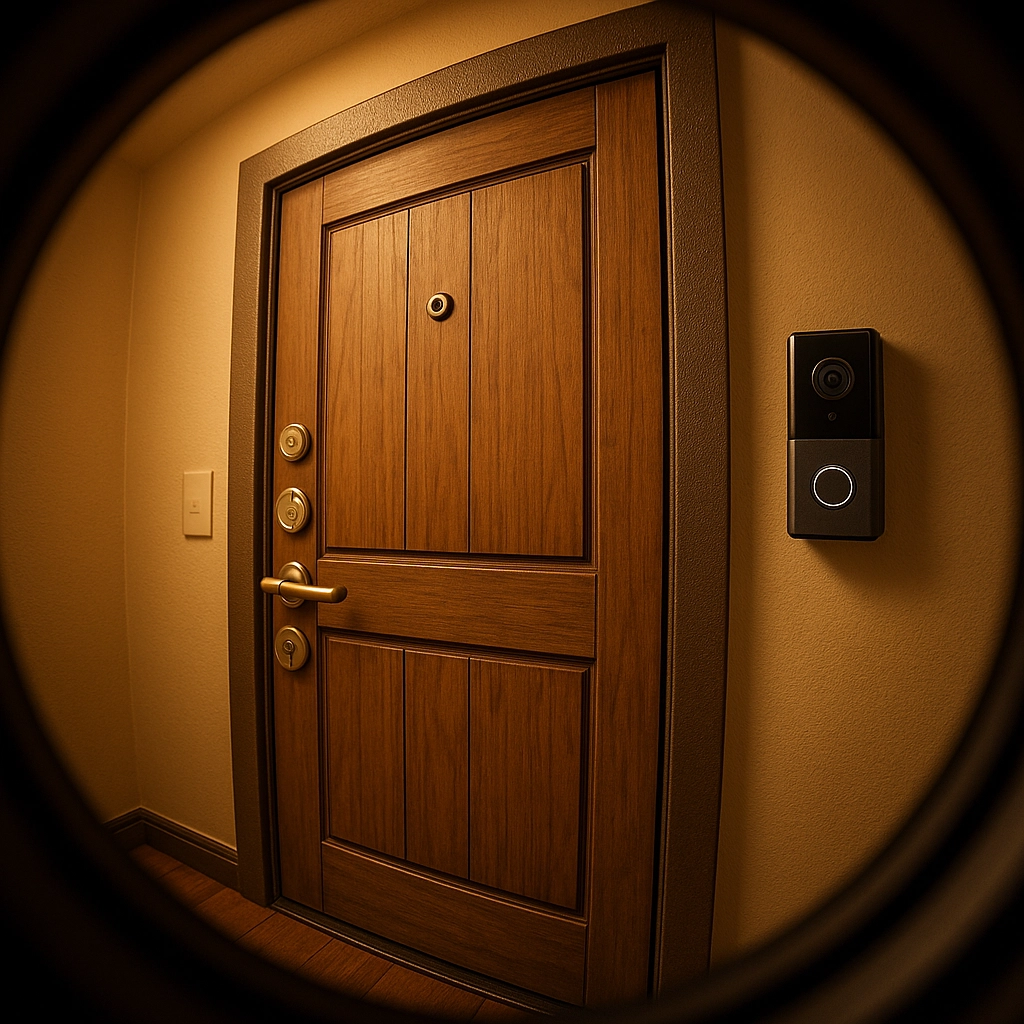
Let's start with the big one, the rule that could literally save your child's life. Never, ever open the door to strangers. This isn't just about obvious "stranger danger" situations. It means keeping doors locked and not opening them for delivery people, repair workers, or anyone else your child doesn't know personally.
Here's what kids should do instead:
- Stay quiet when someone rings the doorbell
- Don't announce they're home alone
- If someone persists, have them call a trusted neighbor or family friend
The same goes for phone calls. Kids should never tell callers they're alone. A simple "Mom's busy right now, can she call you back?" works perfectly and keeps everyone safe.
Lock It Down: Security Basics
Security isn't just about doors, it's about creating a fortress of safety around your home. Before kids even step inside, they should scan for anything unusual. Broken windows, open doors, or unfamiliar cars in the driveway are all red flags that mean "go to a neighbor's house and call for help."
Once safely inside:
- Lock all doors immediately
- Keep windows locked and closed
- Never open garage doors
- Check that security systems are armed (if you have them)
Think of your home like a castle, drawbridge up, gates secured, and guards (aka your kids) alert and ready.
Communication Is Everything
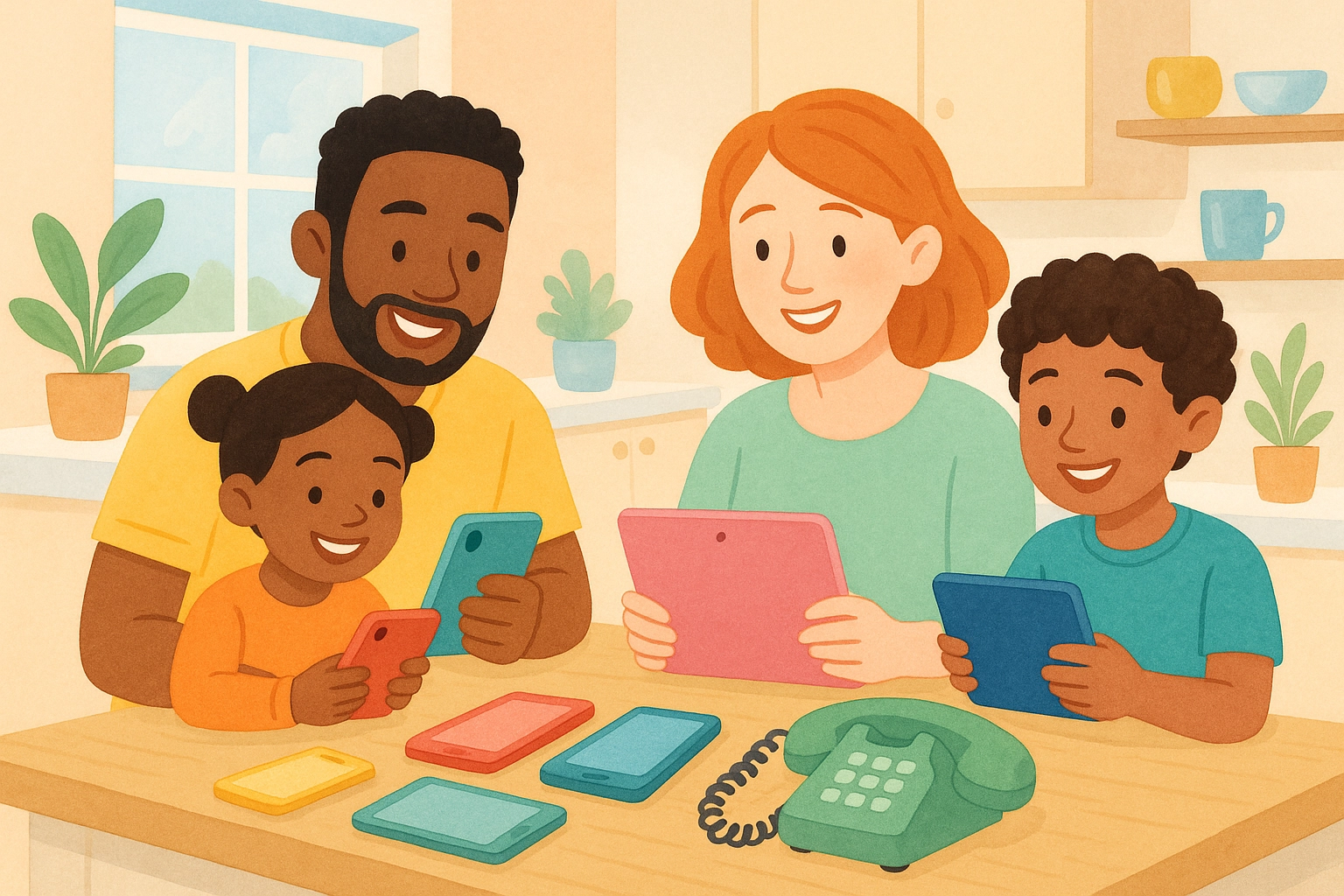
Staying connected while apart is crucial for everyone's peace of mind. Establish clear check-in times and stick to them. Kids should call immediately when they get home, and parents should check in regularly without being helicopter-ish about it.
Create a communication plan that includes:
- Immediate "I'm home safe" calls
- Scheduled check-ins throughout the day
- Emergency contact protocols
- What to do if phones aren't working
Remember, consistency builds confidence. When kids know exactly when and how to communicate, they feel more secure and parents worry less.
Emergency Preparedness: Knowledge Is Power
Every child staying home alone needs to know their basic information by heart: full name, phone number, and complete address. This isn't just helpful, it's essential for emergency situations.
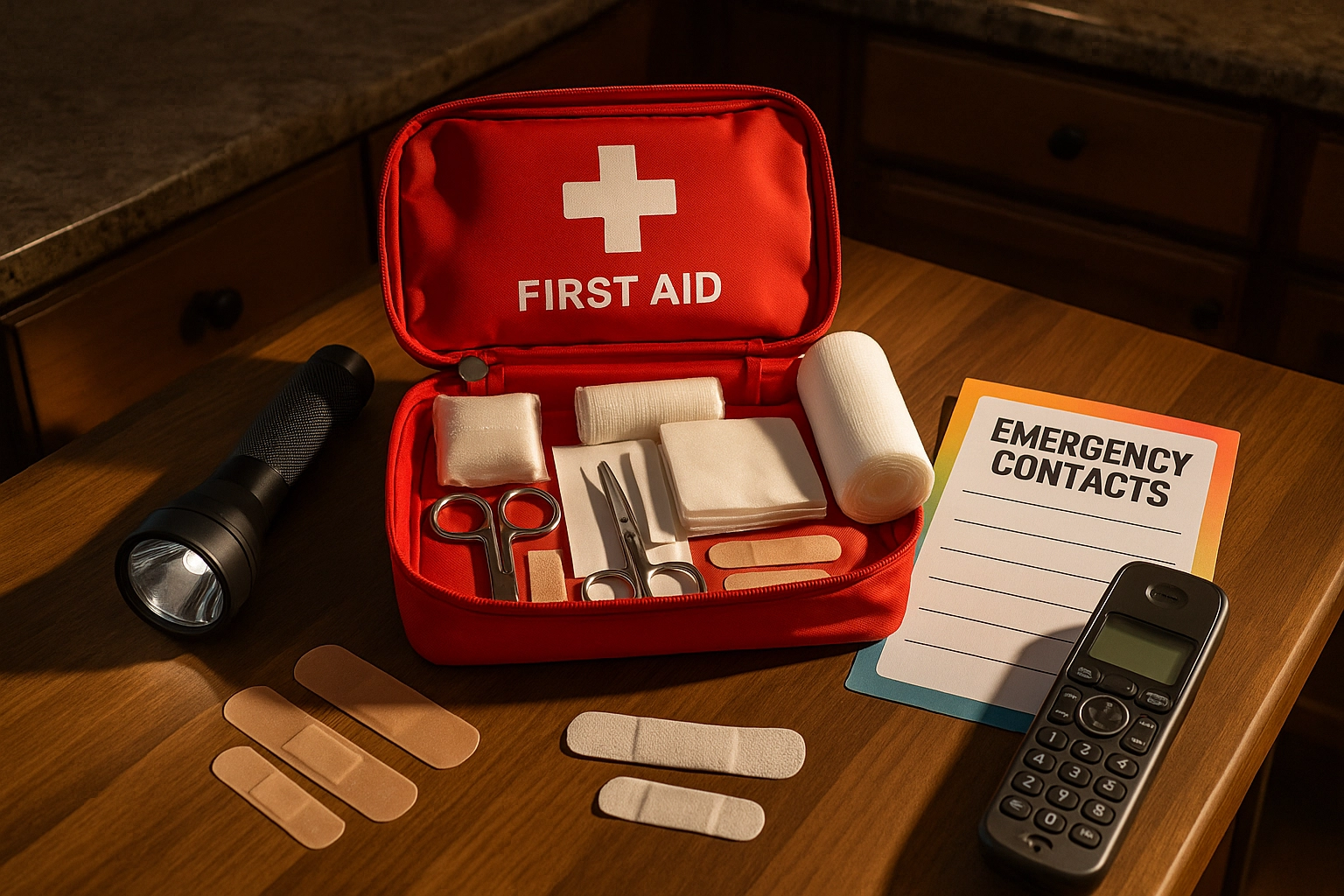
Create an emergency contact list and post it in multiple places around your home. Include:
- Parents' cell and work numbers
- 911 for emergencies
- Non-emergency police number
- Trusted neighbors
- Family doctor
- Close family friends
Make sure kids understand the difference between emergencies (call 911) and concerning situations (call non-emergency numbers or parents first).
What's Allowed and What's Off-Limits
Clear activity rules prevent both accidents and poor decisions. Before leaving, establish specific guidelines about:
- Electronics and screen time limits
- Which appliances are okay to use (microwave yes, stove probably no)
- Whether friends can come over or if they can go to friends' houses
- Indoor vs. outdoor activities
- Areas of the house that are off-limits
The key is being specific rather than vague. "Be good" doesn't give kids much to work with, but "you can watch TV for two hours and use the microwave to heat up your snack" provides clear boundaries.
Remove Temptation and Hazards
Prevention beats correction every time. Before leaving kids alone, do a safety sweep and secure or remove potentially dangerous items:
- Medications (lock them up)
- Cleaning supplies
- Sharp tools
- Matches and lighters
- Car keys
- Alcohol
This isn't about not trusting your child: it's about removing unnecessary risks that could lead to accidents or poor judgment calls.
Getting Home Safely
Safety starts before kids even reach the house. Establish a consistent route home from school with no shortcuts through unfamiliar areas. Kids should know this route well and communicate any changes to parents in advance.
Create a network of safety:
- Identify safe houses along the route (trusted neighbors)
- Encourage walking with friends rather than alone
- Establish arrival time expectations
- Create protocols for being late or encountering problems
If something feels wrong on the way home, kids should trust their instincts and go to a predetermined safe house rather than continuing home.
Practice Makes Perfect
All the rules in the world won't help if kids don't practice them. Run through different scenarios regularly:
- What happens if someone comes to the door?
- How do you respond to different types of phone calls?
- What's the fire escape plan from every room?
- Where are the first aid supplies?
Make these practice sessions feel like games rather than scary drills. The goal is building confidence, not creating anxiety.
Start Small and Build Up
Don't jump straight into leaving kids alone for entire days. Start with short periods: maybe an hour while you run to the store: and gradually increase the time as everyone gets comfortable with the routine.
This gradual approach lets you identify potential issues while they're still manageable and helps kids build confidence in their ability to handle solo time successfully.
Trust Your Instincts
Finally, remember that every family is different. These rules provide a framework, but you know your child best. If something doesn't feel right, trust that instinct. There's no shame in waiting a little longer or modifying rules to fit your specific situation.
Home alone safety isn't about creating fear: it's about building confidence through preparation. When kids know exactly what to do in various situations, they feel empowered rather than scared. And when parents know their children are prepared, they can focus on their own responsibilities without constant worry.
The goal is creating independent, safety-conscious kids who can handle unexpected situations with confidence and good judgment. With clear rules, consistent practice, and open communication, home alone time becomes a positive step toward growing up rather than a source of stress for the whole family.
Remember, these safety rules aren't about limiting your child's freedom: they're about giving them the tools to stay safe while enjoying their growing independence. That's a win-win for everyone involved.


Comments
Post a Comment