Car Seat Safety Facts Every Parent Should Know
Car Seat Safety Facts Every Parent Should Know
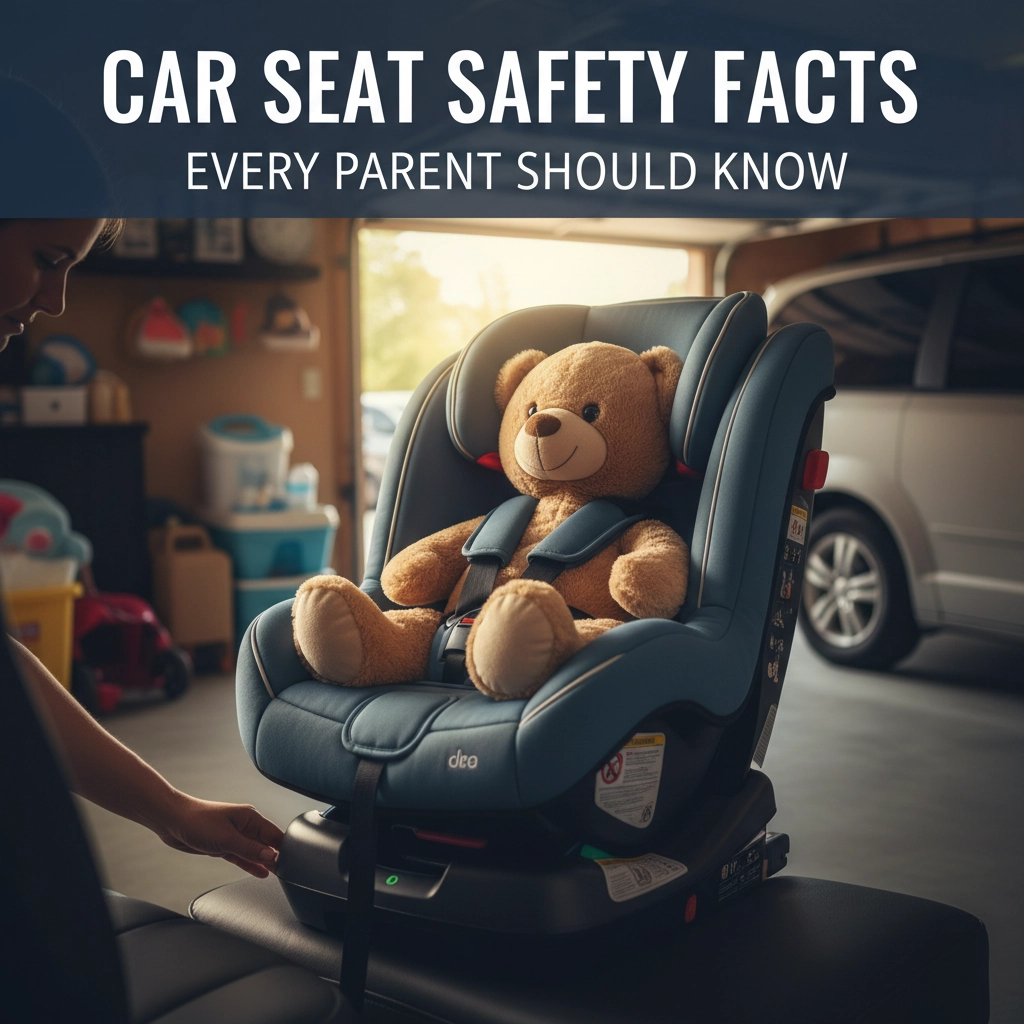
Let's talk about something that keeps every parent up at night – keeping our kids safe in the car. If you're anything like most parents, you probably think you've got your car seat game figured out. But here's a wake-up call that might surprise you: three out of four car seats are being used incorrectly. Yep, you read that right.
As parents, we want to do everything right, especially when it comes to our children's safety. But the reality is that car seat safety is way more complicated than it seems, and even the most well-intentioned parents are making mistakes that could put their kids at risk.
The Scary Truth About Car Seat Safety
Here's a stat that'll make you double-check your installation tonight: car crashes are the leading killer of children, with 723 kids aged 12 and under dying in motor vehicle crashes in 2016 alone. Even more shocking? About 90% of parents leaving the hospital with their newborn are using car seats incorrectly for their baby's very first ride home.
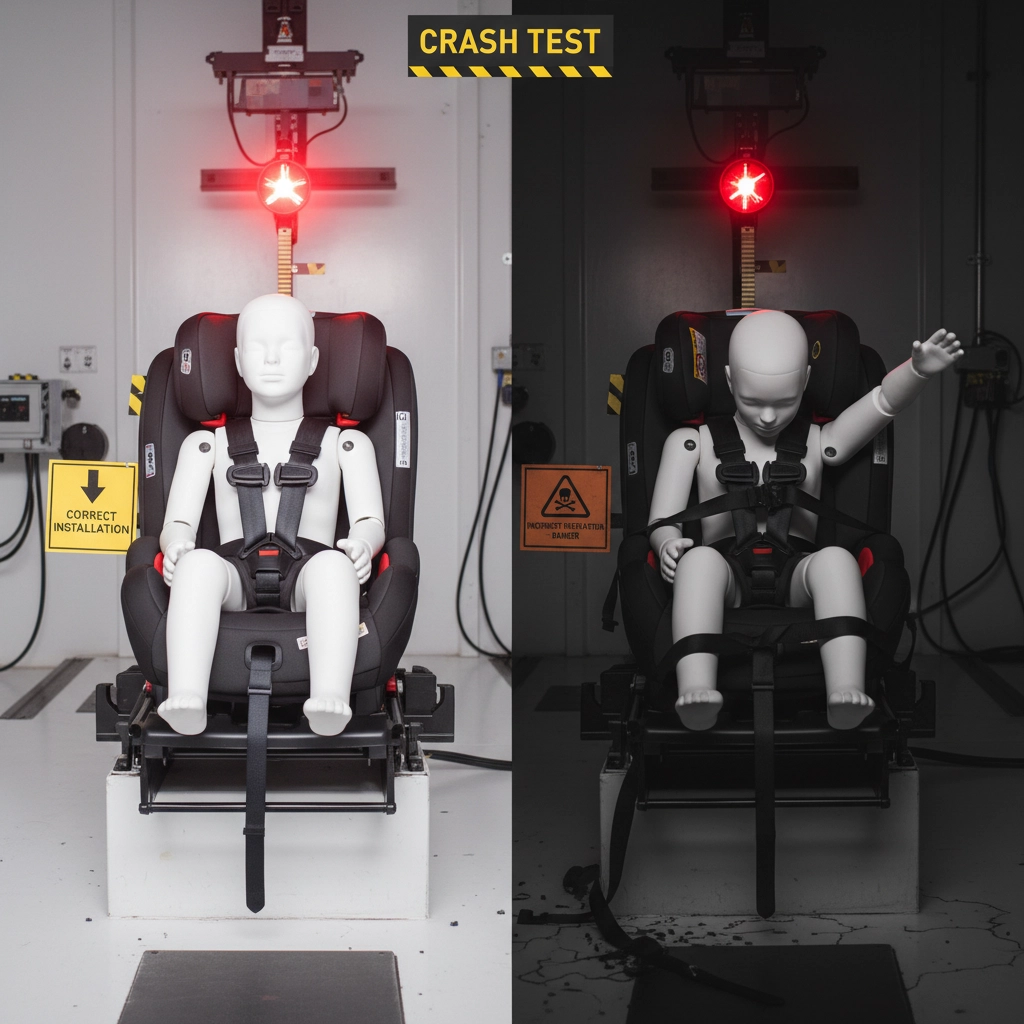
Think you're in the clear because you're super careful? Here's another eye-opener: 96% of parents believe their car seats are installed correctly, but studies show that's just not the case. The gap between confidence and reality is huge, and it's putting our kids at risk every single day.
When researchers looked at 79,000 car seat installations, they found that 46% of LATCH system installations were wrong, and 56% of seat belt installations had problems too. It doesn't matter which method you use – if you're not doing it right, your child is 3.5 times more likely to get seriously hurt in a crash.
The Most Common Mistakes Parents Make
Before we dive into the right way to do things, let's talk about where most of us are going wrong:
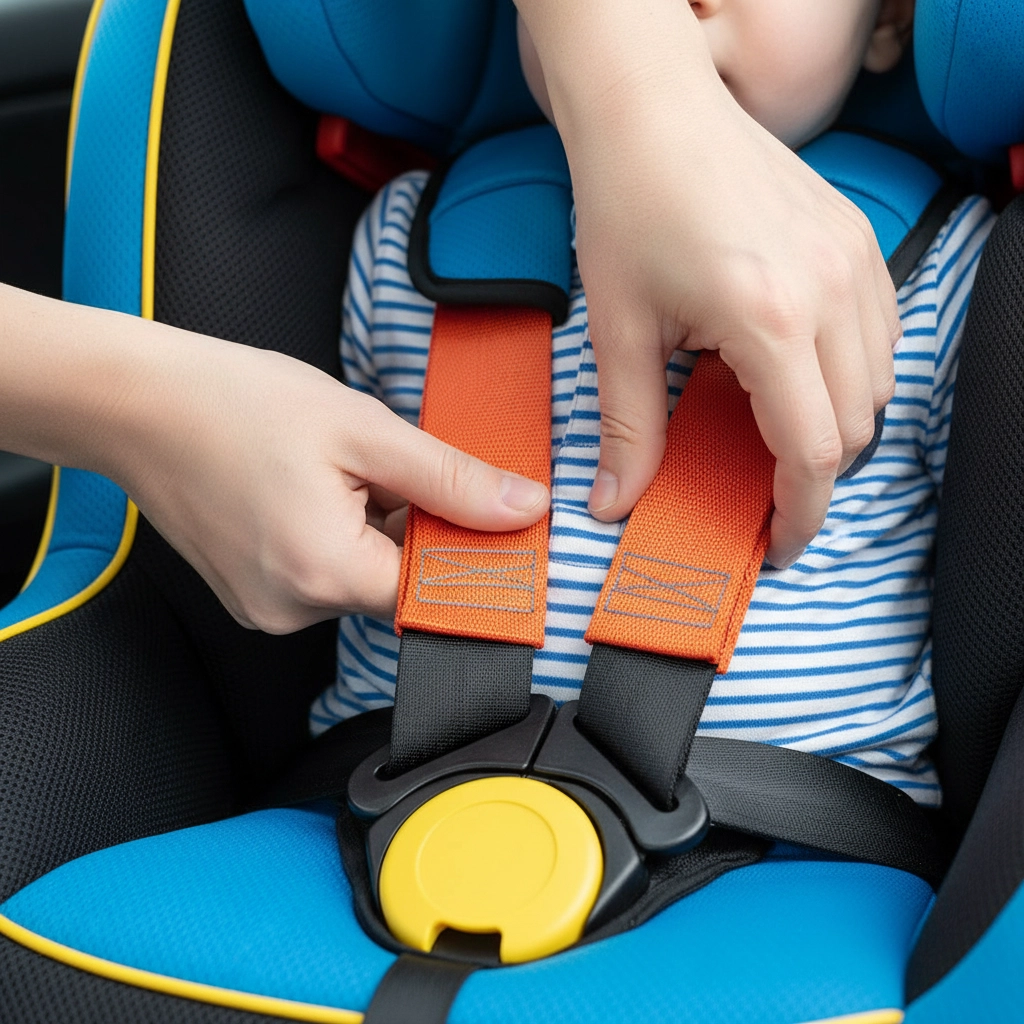
Loose Harness Straps: 40% of parents have harness straps that are too loose. If you can pinch the strap material at your child's shoulder, it's too loose.
Wrong Chest Clip Position: 34% of parents put the chest clip in the wrong spot. It should be at armpit level – not on their belly or up by their neck.
Twisted Straps: 30% of parents have twisted harness straps, which can seriously reduce the effectiveness of the seat in a crash.
These might seem like small details, but they make a huge difference when it comes to protecting your child.
Getting the Age Thing Right
One of the biggest sources of confusion for parents is knowing when to switch from one type of seat to another. Let's break it down:
Rear-Facing: Longer Than You Think
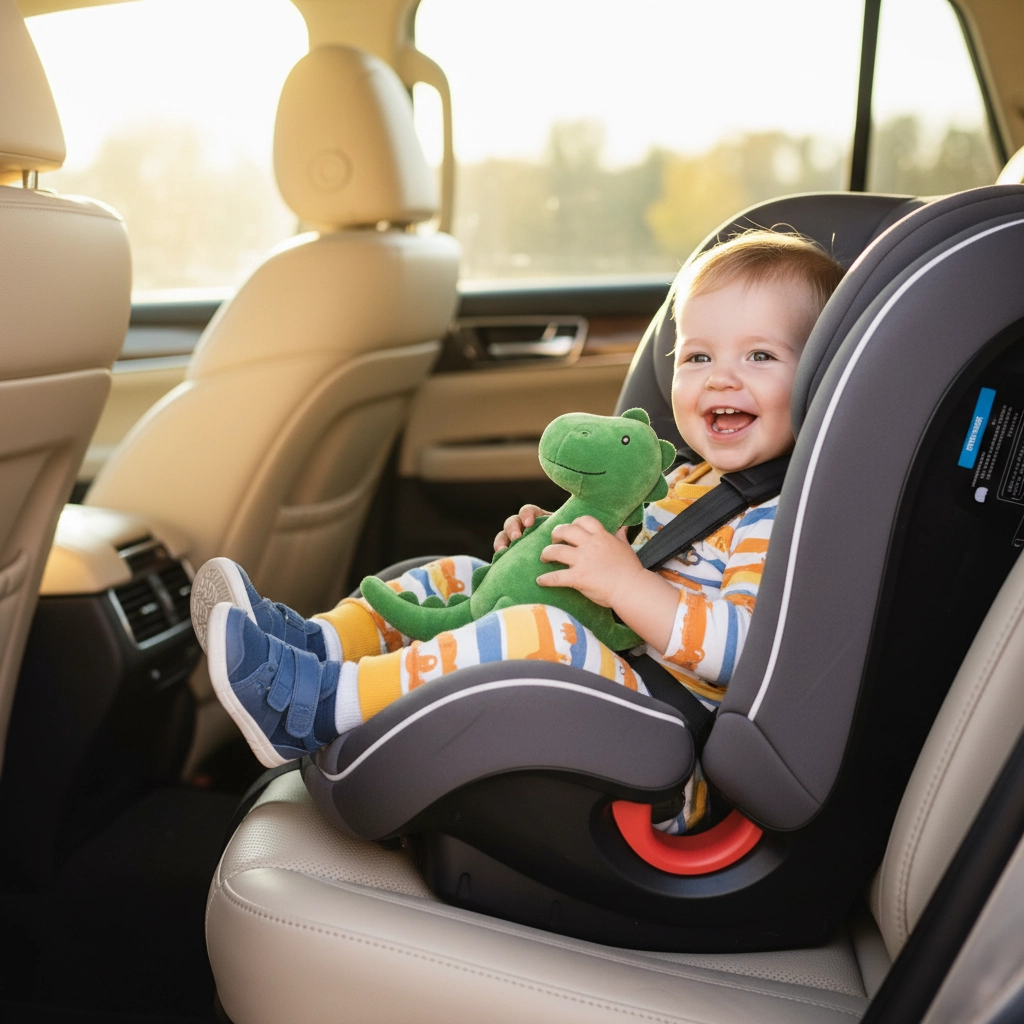
Here's something that might shock you – your child should stay rear-facing until at least age 2, but ideally much longer. The American Academy of Pediatrics recommends keeping kids rear-facing until they reach the highest weight or height allowed by their car seat, which usually means they can stay rear-facing for two years or more.
I know what you're thinking – "But my toddler's legs are so long!" or "They seem cramped!" Here's the thing: kids are super flexible, and a broken leg heals way better than a broken neck. Rear-facing seats reduce the risk of serious injury by 71% for infants and 54% for toddlers aged 1-4.
Forward-Facing with Harness
Once your child outgrows the rear-facing limits, they can move to a forward-facing seat with a harness. Keep them in this setup until they max out the weight or height limits – usually around 65 pounds or so.
Booster Seats
This is where a lot of parents mess up. Kids need booster seats until they're big enough for the regular seat belt to fit properly. That usually means they need to be at least 4 feet 9 inches tall and between 8-12 years old. Booster seats reduce injury risk by 45% compared to seat belts alone, so don't rush this transition.
Installation: Getting It Right
Let's talk about actually getting that car seat in there correctly, because this is where most of us struggle.
The Inch Test
Your car seat should pass the "inch test" – it shouldn't move more than an inch in any direction when you check it at the belt path. If it does, it's too loose.
The Pinch Test
For the harness, do the "pinch test." If you can pinch the harness material together at your child's shoulder, it's too loose. The straps should be snug against their body.
Read Those Manuals
Only 61% of parents read their car seat manual, and just 13% read their vehicle manual. I get it – nobody wants to read instruction manuals. But these aren't your typical boring manuals. They contain crucial information that could save your child's life. Both manuals have important details about installation, weight limits, and safety features.
Where to Put That Car Seat
This one's pretty straightforward: all kids should ride in the back seat until they're at least 13 years old. The back seat is the safest place because it keeps kids away from airbags (which deploy at 200-400 mph – yikes!) and it's the farthest from the most common crash impact zones.
If you have multiple kids and need to put someone in the front seat, make sure it's your oldest child who meets the height and weight requirements, and push that front seat as far back as possible.
The LATCH System: Helper or Headache?
The LATCH system (Lower Anchors and Tethers for Children) was supposed to make car seat installation easier when it became required in 2002. But here's the thing – it can actually be more confusing than helpful if you don't understand how it works.
LATCH has weight limits that mean you'll eventually need to switch to using the seat belt instead. Many parents don't realize this and keep using LATCH even when their child has outgrown the weight limit. Check your car seat manual for these limits – they vary by manufacturer.
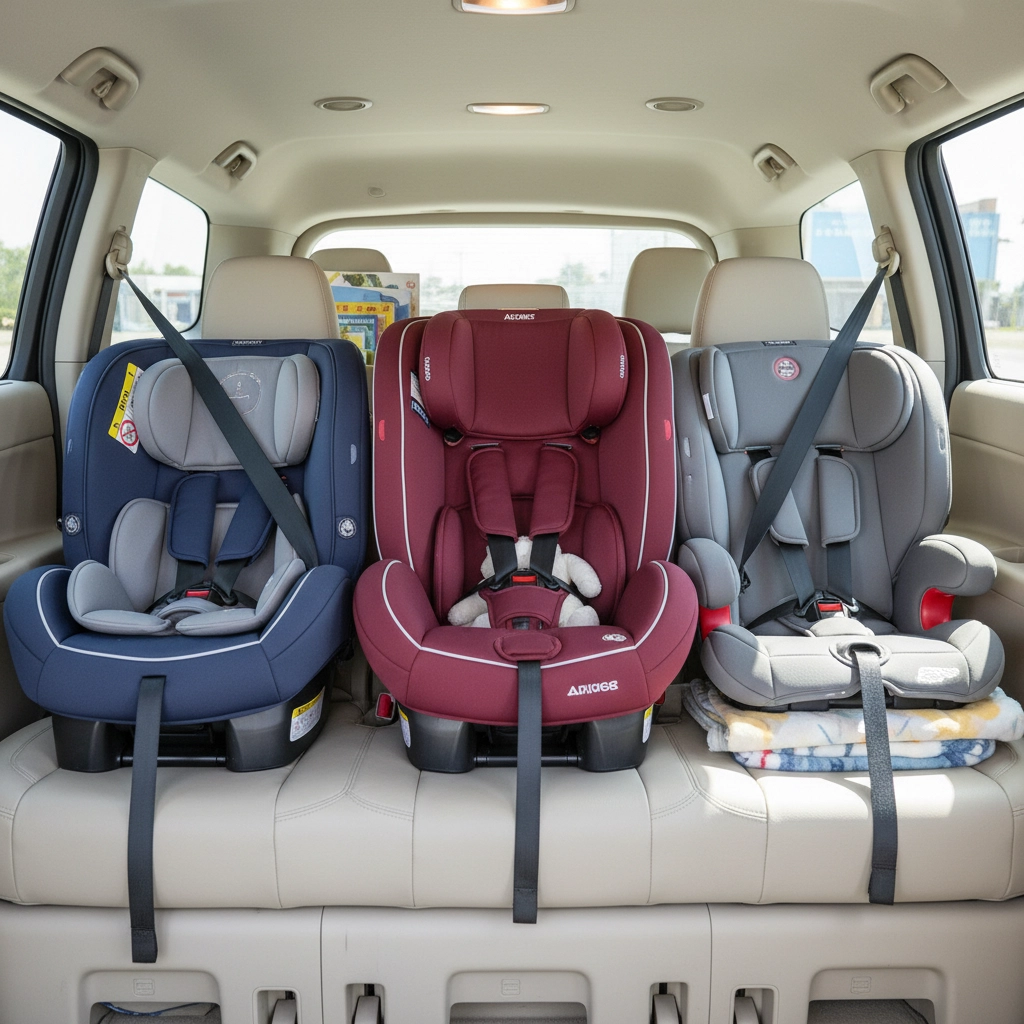
Maintenance Matters
Car seats aren't forever. They have expiration dates just like the milk in your fridge. These dates exist because materials break down over time, safety standards change, and technology improves. Don't use an expired car seat, and definitely don't buy used seats unless you're 100% sure of their history.
Also, regularly check for recalls by visiting the National Highway Traffic Safety Administration website. Car seat recalls happen more often than you might think, and it's crucial to stay on top of them.
Making the Right Choice
When you're shopping for a car seat, don't just go for the one with the best reviews or the coolest features. Choose one that's appropriate for your child's specific age, weight, height, and developmental stage. The "best" car seat is the one that fits your child and your car properly and that you'll use correctly every single time.
Keep Them Safe at Every Stage
Remember, the goal is to keep your child in each type of car seat for as long as possible within the manufacturer's limits. Don't rush to move them to the next stage just because they've hit the minimum requirements.
Every transition should be based on your child reaching the maximum limits of their current seat, not the minimum requirements for the next one. This approach gives your child the best protection at every stage of their development.
The bottom line? Car seat safety isn't just about having a car seat – it's about using it correctly every single time. Take the time to learn the rules, read those manuals, and don't be afraid to ask for help. Many local fire departments, police stations, and hospitals offer free car seat inspections. Take advantage of these resources.
Your kids are counting on you to get this right, and with a little extra knowledge and effort, you absolutely can keep them safe on every ride.


Comments
Post a Comment