Backyard Zip Line Safety: Lessons from Recent News
Backyard Zip Line Safety: Lessons from Recent News
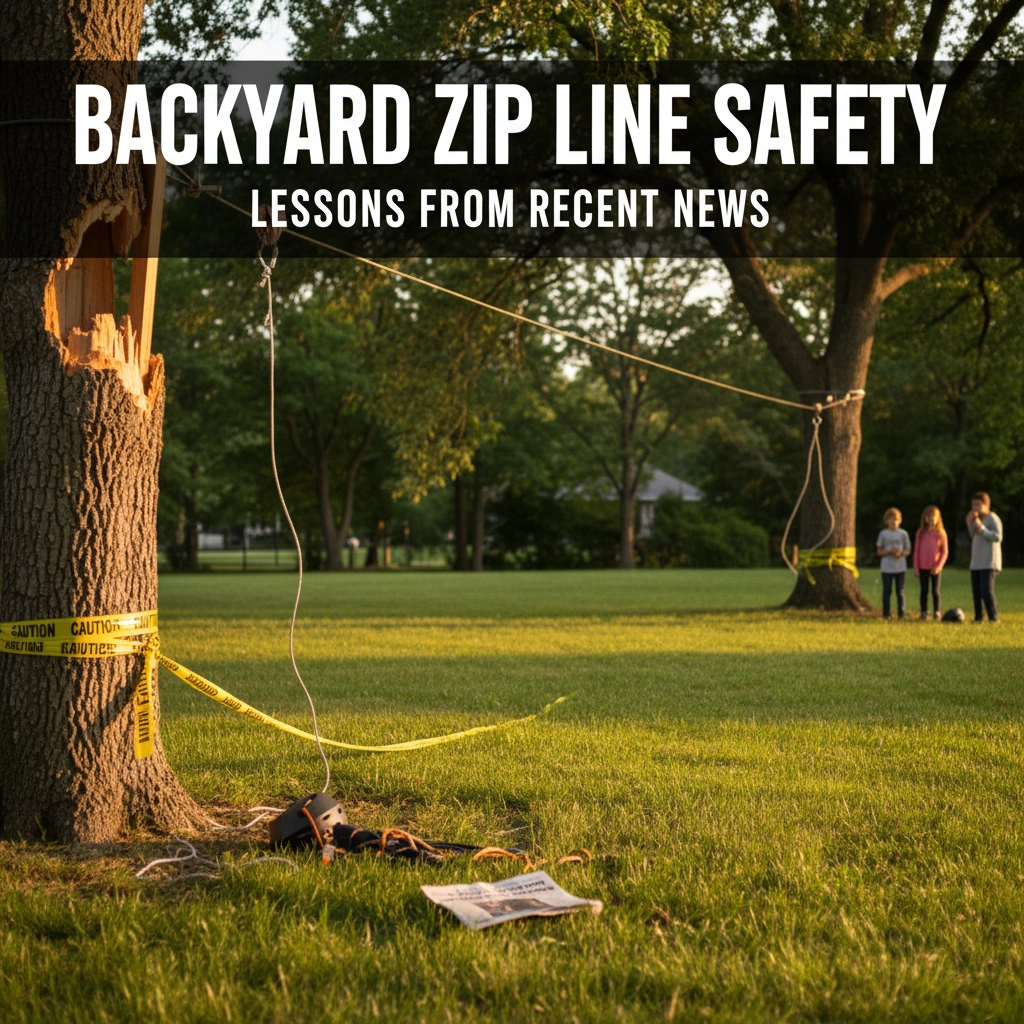
Picture this: your kids are begging for a backyard zip line after seeing one at their friend's house. It looks like the perfect summer project – fun, adventurous, and right in your own yard. But before you start shopping for DIY kits online, there's some eye-opening news you need to hear about backyard zip line safety.
Recent studies and accident reports are painting a concerning picture that every parent should know about. Let's dive into what's really happening with backyard zip lines and how to keep your family safe.
The Shocking Rise in Zip Line Injuries
Here's a statistic that might surprise you: nearly 70% of the estimated 16,850 zip line injuries treated in U.S. emergency departments between 1997 and 2012 happened in just the last four years of that period. That's not a typo – zip line injuries have absolutely skyrocketed.
Even more concerning? About 30% of these injuries occurred at residential homes and farms, often due to improperly installed zip lines. We're not talking about commercial adventure parks with professional safety teams – we're talking about backyard installations that families put up themselves.
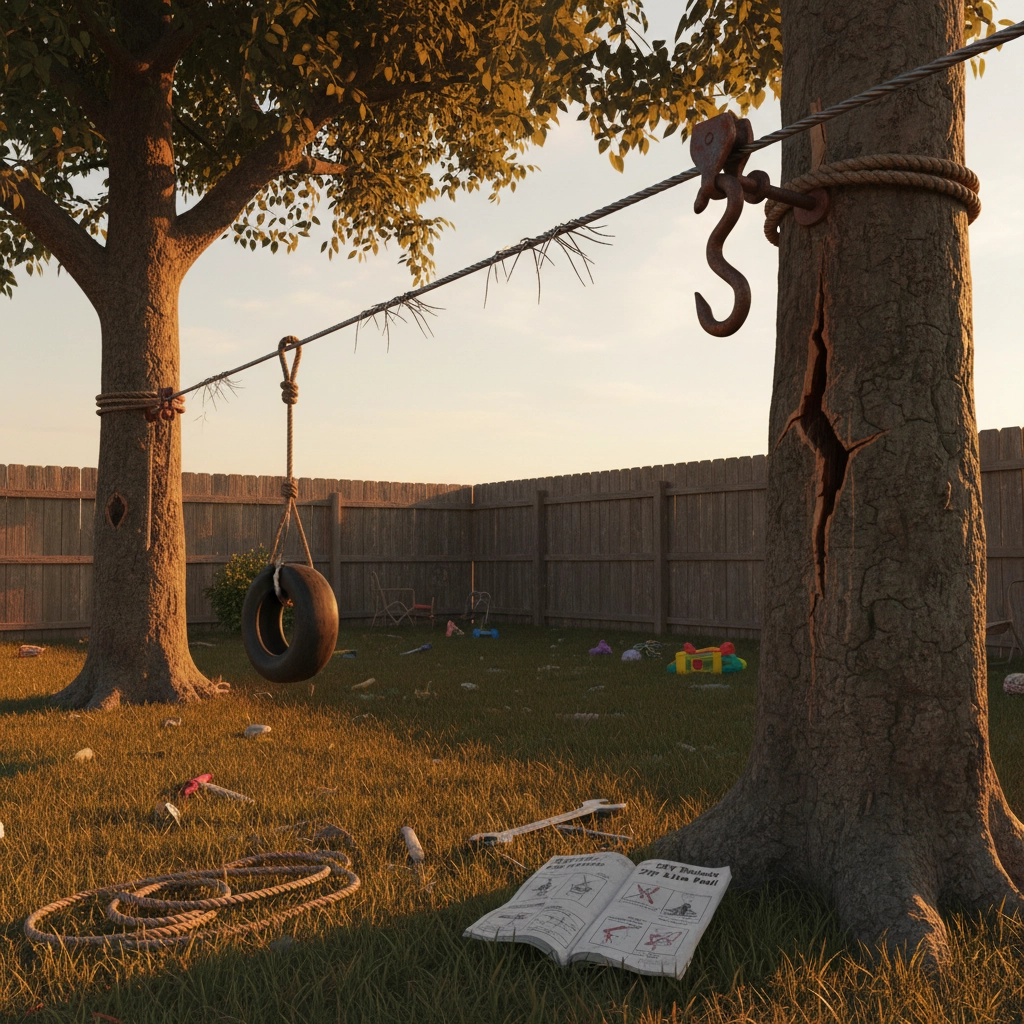
Why Homemade Zip Lines Are So Risky
Researchers from Nationwide Children's Hospital have issued a pretty clear warning: families should avoid installing and using zip lines at home. Period. But why are they so adamant about this?
The problem starts with installation. Those DIY zip line kits you see online might look straightforward, but proper installation requires engineering knowledge that most homeowners simply don't have. Unlike commercial operations that follow strict safety standards and undergo regular inspections, backyard zip lines often lack proper anchoring, appropriate cable tension, and safe landing zones.
Think about it this way: when you go to a professional zip line course, there are trained staff members who check equipment daily, inspect cables regularly, and ensure every rider meets safety requirements. In your backyard? That's all on you, and most of us aren't qualified to be zip line safety inspectors.
The Reality of Zip Line Accidents
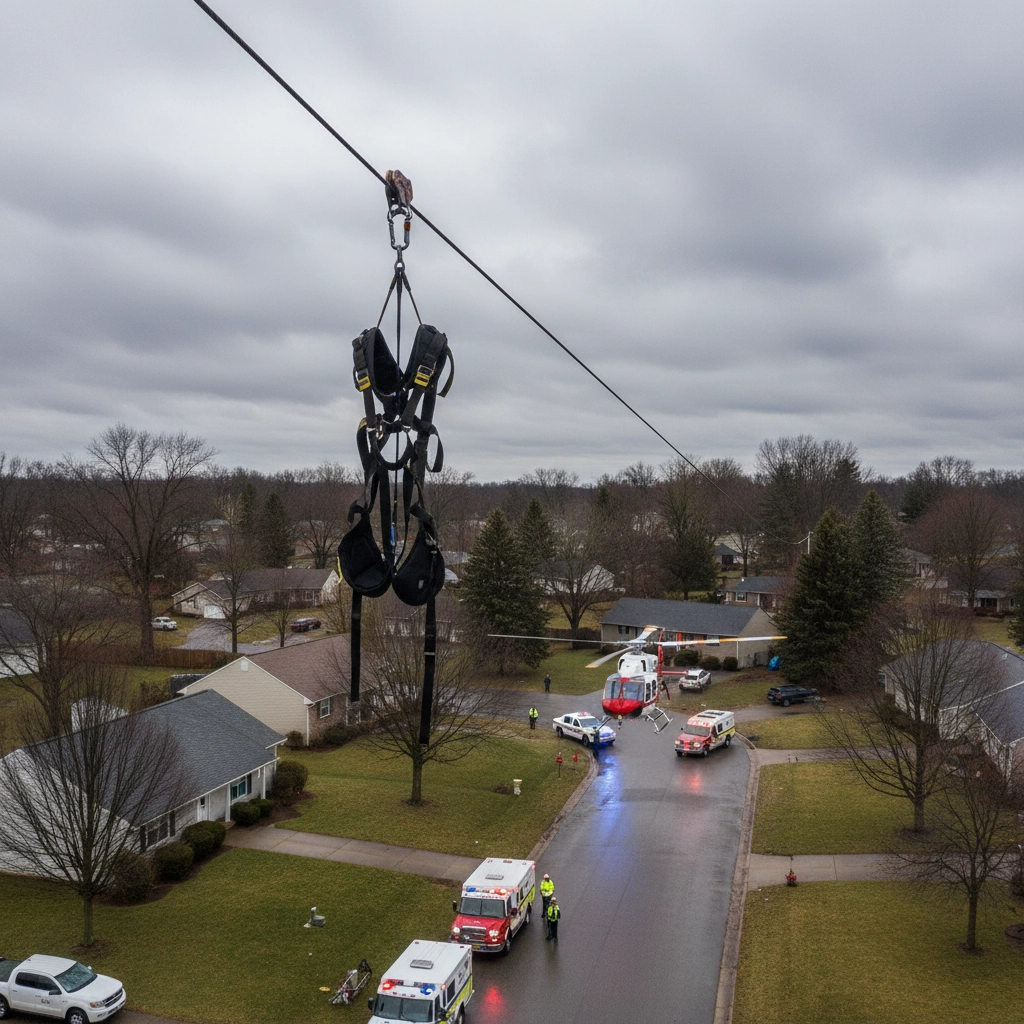
When zip line accidents happen, they're often severe. Falls account for more than three-quarters of all zip line injuries, and any fall from a zip line height can result in serious injuries or even death due to the impact with the ground or nearby objects.
The most common injuries include:
- Broken bones and fractures
- Traumatic brain injuries
- Spinal injuries that can cause partial or complete paralysis
- Severe cuts and bruises from collisions
Almost half of all zip line injuries happen to children 9 years old and younger – kids who often lack the grip strength and decision-making skills needed to safely navigate a zip line experience.
Age and Physical Readiness: A Critical Factor
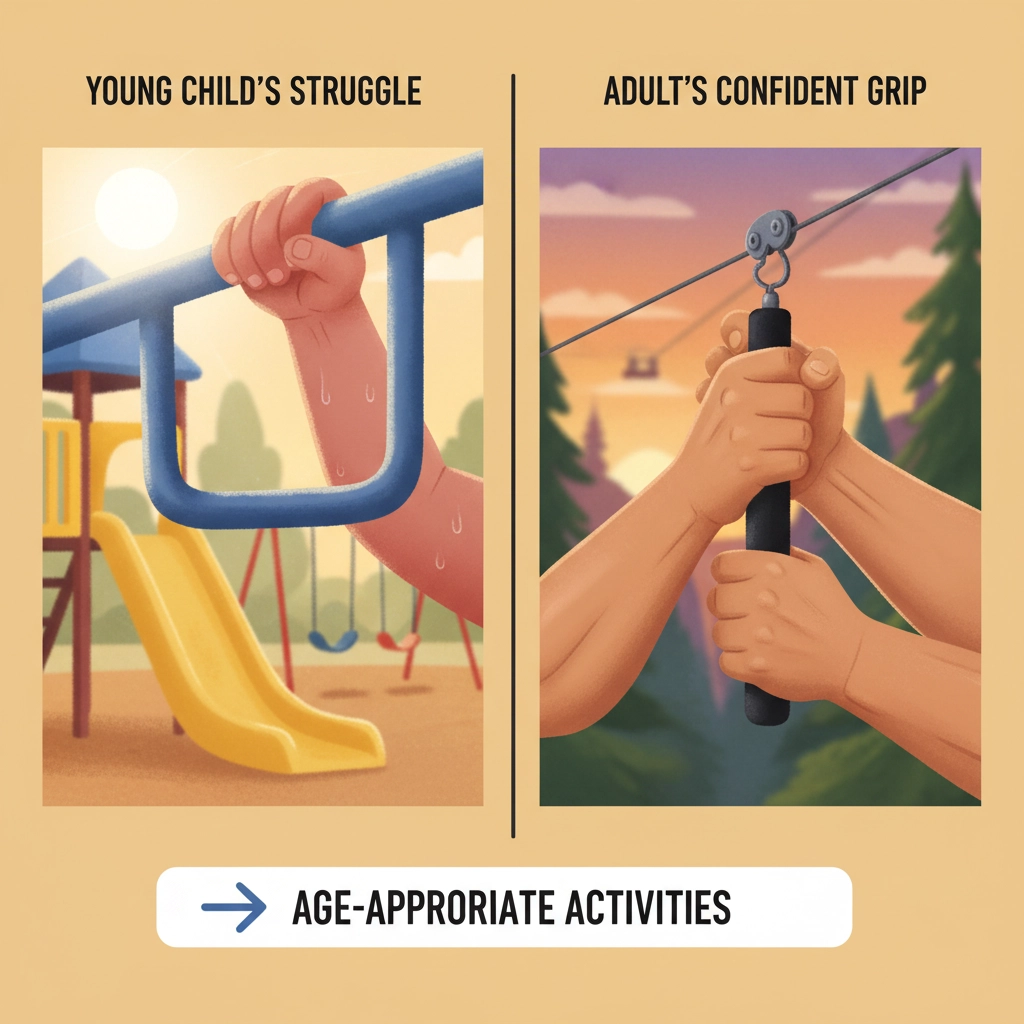
Here's a simple test that safety experts recommend: if your child can't independently complete monkey bars at a playground, they're probably too young for a zip line. This isn't about being overprotective – it's about basic physics and child development.
Young children's grip strength, body awareness, and ability to make quick decisions all factor into zip line safety. When a child can't hold their own body weight for the duration of a zip line ride, the risk of falling increases dramatically.
Even for older kids and teens, proper safety equipment including harnesses, helmets, and gloves should always be required – not just suggested.
The Seasonal Safety Pattern
Zip line injuries follow a predictable seasonal pattern, with more than 90% occurring between April and October and the highest number happening in July. This summer spike isn't just because more people are outside – it's also when:
- Equipment that's been sitting unused all winter might develop problems
- Weather conditions like heat can affect cable tension and equipment performance
- Increased usage puts more stress on installations
- Kids are out of school and spending more time on outdoor equipment
What Commercial Operations Do Right
Professional zip line operations have safety protocols that most backyard installations simply can't match:
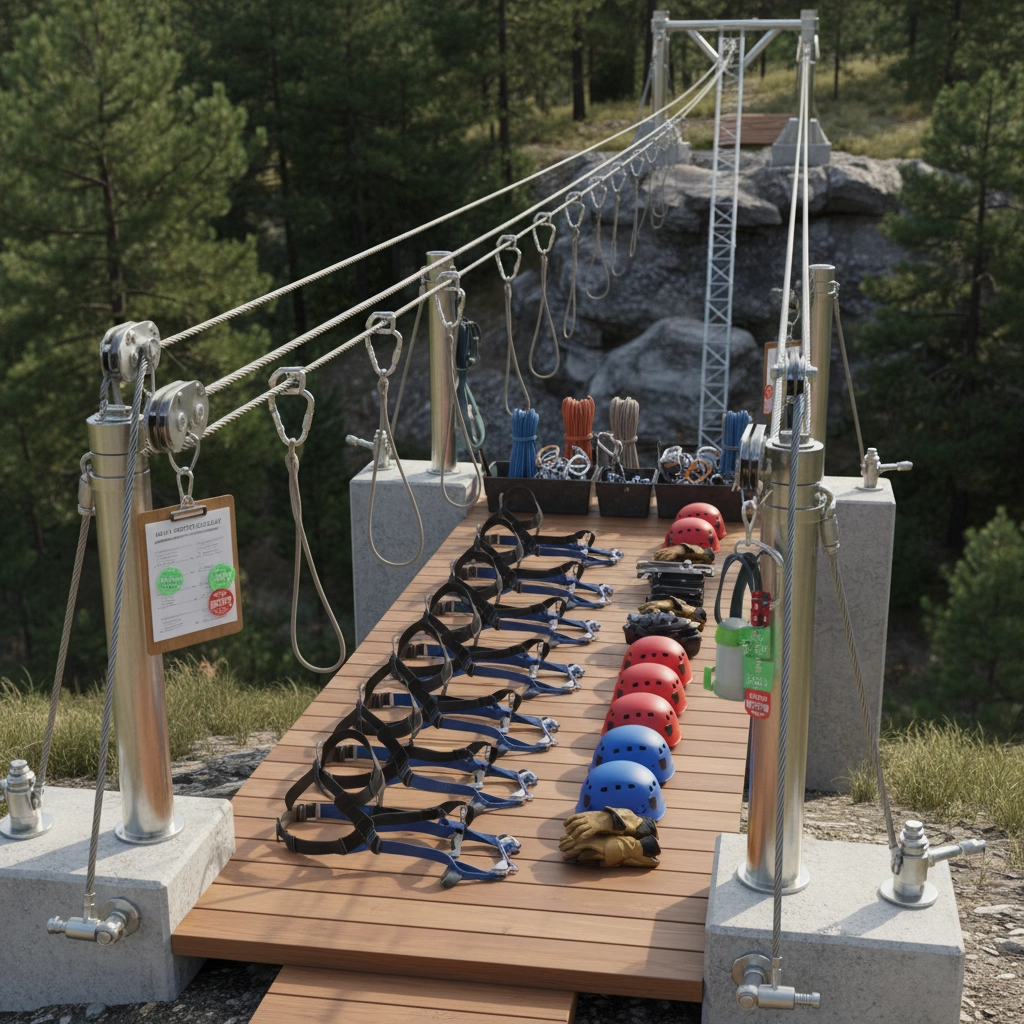
Regular Inspections: Commercial facilities inspect equipment daily and undergo professional safety audits regularly.
Trained Staff: Operators know how to properly fit safety equipment, assess rider readiness, and respond to emergencies.
Proper Equipment: Commercial-grade cables, harnesses, and safety systems are designed for repeated use and extreme conditions.
Environmental Controls: Professional courses account for wind conditions, weather changes, and environmental hazards.
Emergency Protocols: Staff are trained in rescue procedures and first aid.
The Regulatory Reality
Here's something that might surprise you: while commercial zip line operations face strict safety regulations in many states, backyard installations often fall into a regulatory gray area. This means there's no official oversight of your DIY zip line project – no inspections, no safety certifications, no professional guidance.
Different states have different rules, and even within states, local jurisdictions might have varying requirements. This patchwork of regulations means you could be legally allowed to install something that's genuinely dangerous.
Safer Alternatives for Adventure-Seeking Families
If your family is craving zip line thrills, consider these safer alternatives:
Visit Professional Operations: Choose reputable commercial zip line courses with trained staff and proper safety certifications.
Playground Zip Lines: Some public playgrounds have shorter, lower zip lines designed specifically for children with proper safety surfacing and design standards.
Alternative Backyard Adventures: Consider tree swings, climbing walls, or obstacle courses that can provide excitement with lower injury risk.
Red Flags in DIY Zip Line Marketing
If you're still considering a backyard zip line despite the risks, watch out for these red flags in product marketing:
- Claims that installation is "simple" or "anyone can do it"
- Lack of specific weight limits or age recommendations
- No mention of professional installation requirements
- Missing safety certifications or engineering specifications
- Prices that seem too good to be true (proper zip line equipment is expensive for good reasons)
Making the Right Decision for Your Family
The evidence is pretty clear: backyard zip lines present significant risks that are difficult to mitigate without professional expertise and equipment. While the appeal of having adventure right in your backyard is understandable, the potential for serious injury is simply too high.
Instead of bringing the zip line home, make visiting professional zip line courses a special family adventure. Your kids will still get the thrill they're looking for, but with proper safety measures in place.
Remember, the goal isn't to eliminate fun from your kids' lives – it's to ensure they're around to enjoy many more adventures safely. When it comes to zip lines, that's best achieved by leaving it to the professionals.
The recent surge in backyard zip line injuries serves as a wake-up call for families everywhere. Sometimes the safest adventure is the one that happens under professional supervision, with proper equipment, and trained staff ready to help if something goes wrong.
Your backyard can still be an amazing place for family fun – just maybe without the 20-foot-high zip line.


Comments
Post a Comment