Fireworks Safety: Celebrating Without the Ouch
Fireworks Safety: Celebrating Without the Ouch
Let's be real – fireworks are awesome. The bright colors, the loud bangs, the "oohs" and "ahhs" from the crowd. But here's the thing: they can also turn your celebration into a trip to the emergency room faster than you can say "sparkler." Don't worry though – we're not here to be party poopers. We're here to help you celebrate safely so everyone goes home with all their fingers intact.
The Not-So-Fun Facts About Fireworks
Before we dive into the safety stuff, let's talk numbers. In 2020, about 15,600 people ended up in the ER because of fireworks injuries. That's like filling up a small stadium with hurt people! And get this – most of these accidents happen around July 4th. Shocking, right?
Here's what might surprise you: sparklers cause about 900 emergency room visits each year. Those innocent little sticks that we hand to toddlers? They burn at 2,000°F – hot enough to melt some metals. That's like holding a mini blowtorch and calling it "kid-friendly."
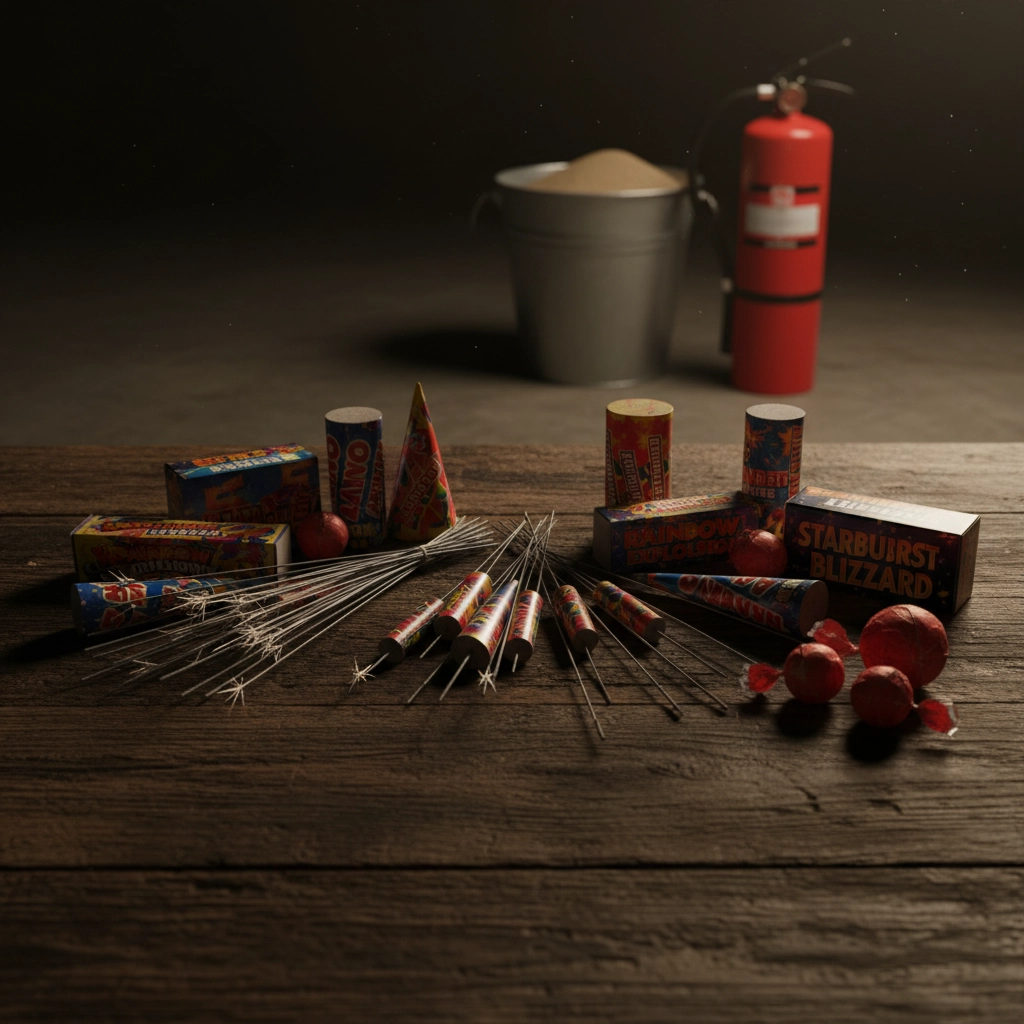
The most common injuries happen to hands and fingers (30% of cases), followed by head and face injuries (22%). Burns are the number one type of injury, especially on hands and arms. And guys, sorry to call you out, but males account for 71% of fireworks injuries. Time to step up the safety game!
The Golden Rules of Fireworks Safety
Rule #1: Adults Only Zone
Kids and fireworks don't mix – period. Even those "harmless" sparklers should only be handled by adults or older teens under close supervision. Think of fireworks like power tools or car keys – they're not toys, even if they're sold next to the candy.
If you absolutely must let older kids handle sparklers, make sure an adult is right there watching. And we mean right there, not "kinda nearby while scrolling through Instagram."
Rule #2: Know Before You Go
Check your local laws before buying any fireworks. Some states are super strict, others are more relaxed. What's legal in one place might land you in trouble (or the hospital) in another. Only buy from reputable dealers, and avoid anything wrapped in brown paper – that's usually professional-grade stuff that has no business in your backyard.
Rule #3: Prep Like a Pro
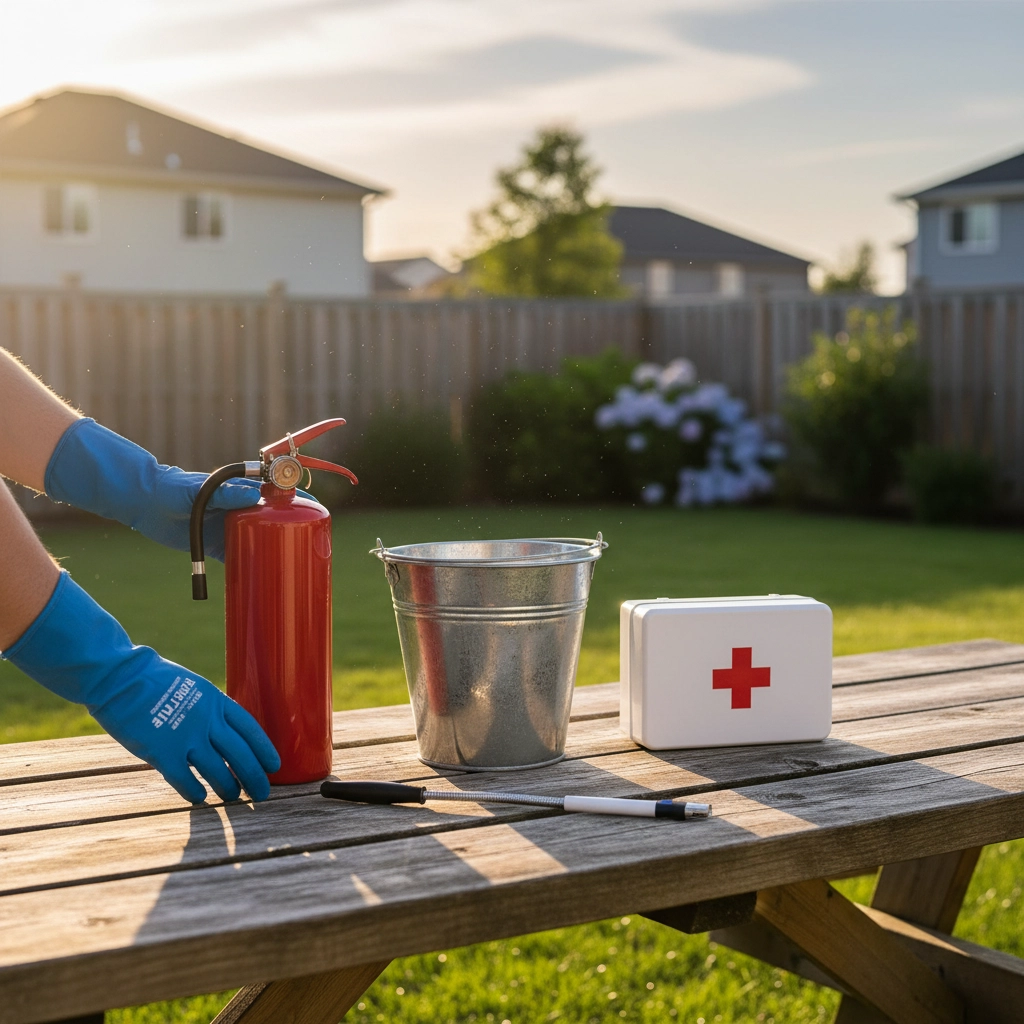
Before the first firework gets lit, set up your safety station. You'll need:
- A bucket of water or garden hose nearby
- A fire extinguisher (just in case)
- Clear, open space away from buildings, cars, and dry grass
- First aid kit within reach
Rule #4: Light Smart, Not Hard
Light fireworks one at a time – never twist fuses together thinking you'll get a bigger show. That's how you get a bigger explosion than you bargained for. Use a long lighter or extended lighter, and never lean over the firework while lighting it.
Once you light it, get back immediately. Don't stand there admiring your handiwork – move!
Rule #5: When Things Go Wrong
If a firework doesn't go off (called a "dud"), don't try to relight it. Seriously, don't. Wait at least 15 minutes, then soak it in water before throwing it away. That "dud" might just be taking its sweet time to explode.
Never pick up pieces of used fireworks, even if they look completely done. Some might still have active parts that could go off.
The Professional Alternative
Here's a thought: why not skip the stress and enjoy professional fireworks displays instead? These shows are put on by people who actually know what they're doing, with proper safety equipment and permits. Plus, you get a much better show without the risk of losing an eyebrow.
Professional displays are required to maintain at least 500 feet between the audience and launch area. That's not just for show – it's because fireworks are loud enough (over 150 decibels) to cause immediate hearing damage up close.
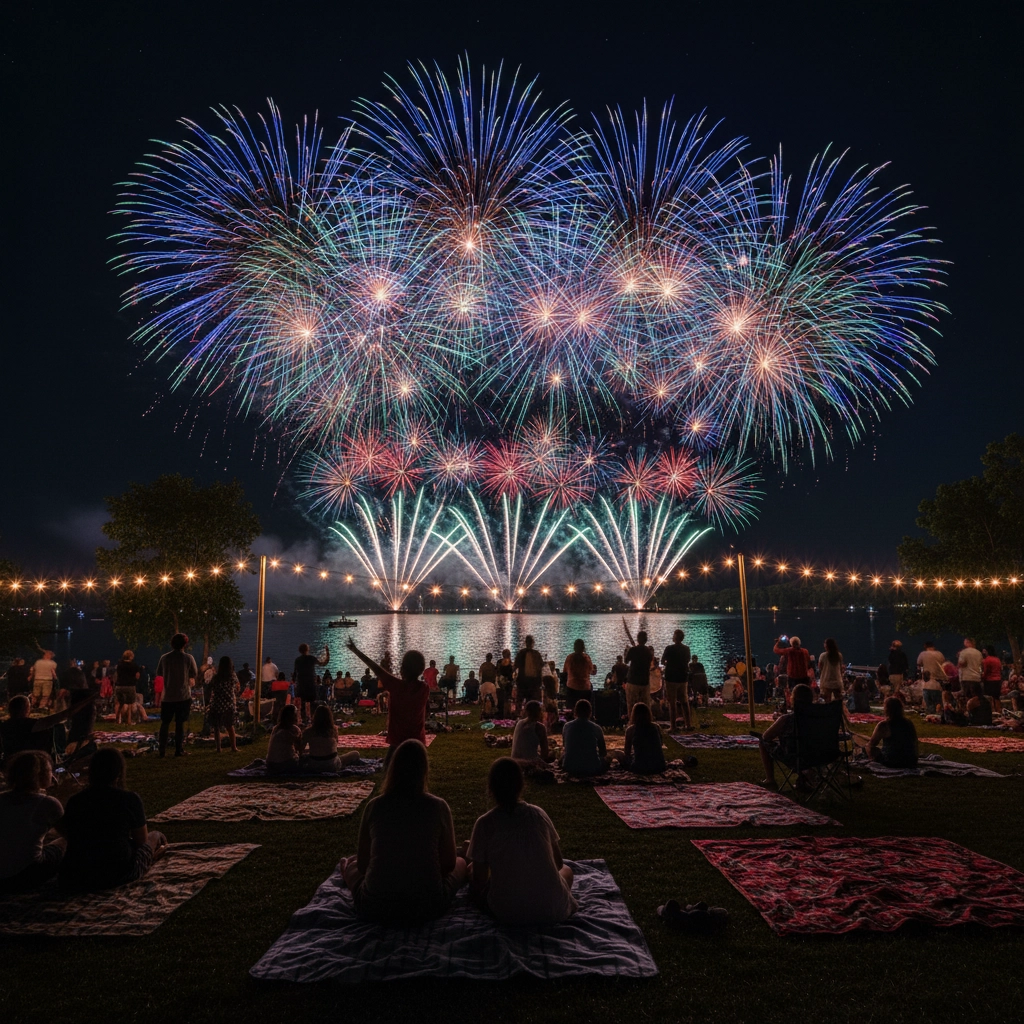
When you go to professional shows, bring ear protection, especially for kids. Those bangs might sound cool, but they can damage hearing permanently.
Fun Alternatives That Won't Send You to the ER
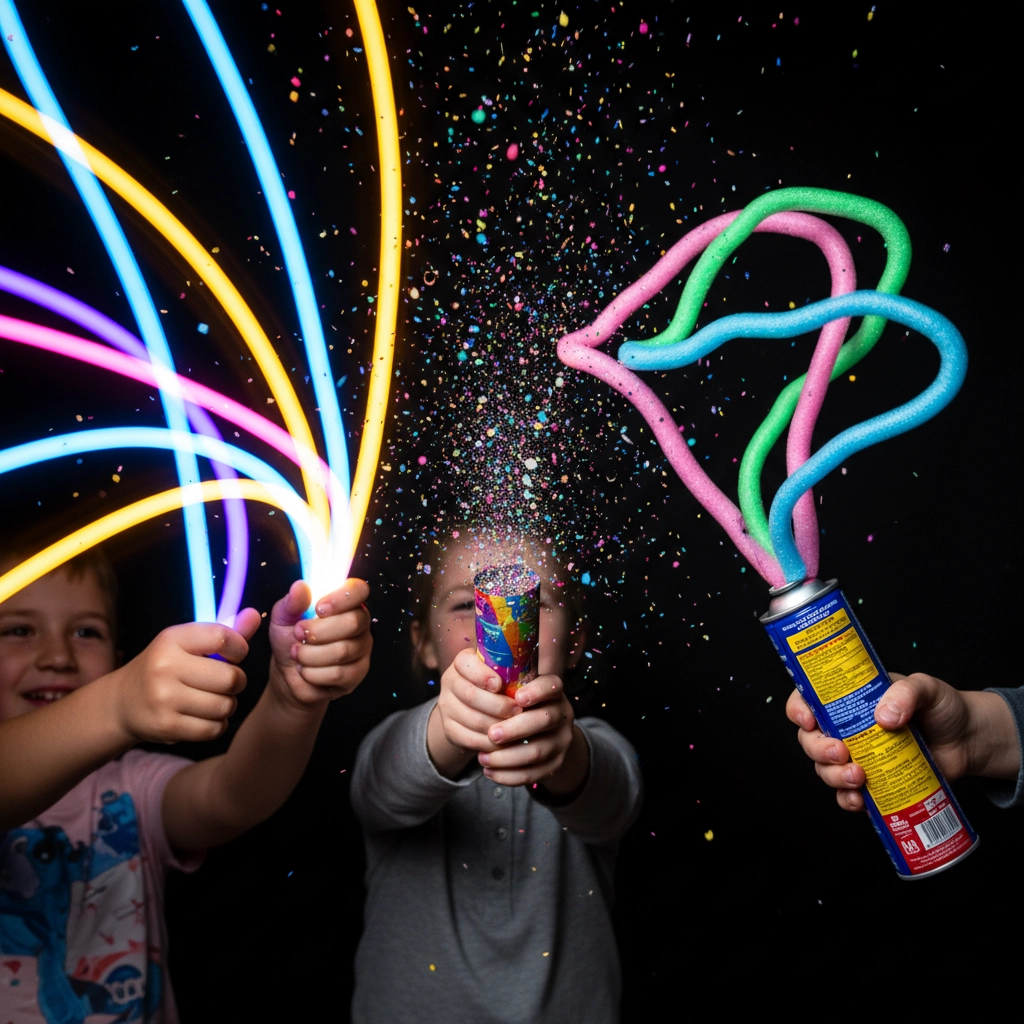
If you've got little ones who want in on the action, there are tons of safer alternatives that still bring the fun:
Glow Stick Party
Break out the glow sticks and have a dance party in the dark. Kids love them, they last for hours, and the worst injury you'll get is maybe stepping on one barefoot.
Confetti Cannons
These give you the big "pop" moment without the fire hazard. Just be ready to clean up afterward – confetti gets everywhere.
Silly String Wars
Nothing says celebration like a good old-fashioned silly string battle. Just keep it away from car paint and you're golden.
Colored Streamers and Poppers
These little party poppers give you that satisfying "bang" with colorful streamers, minus the risk of third-degree burns.
Protecting Your Furry Friends
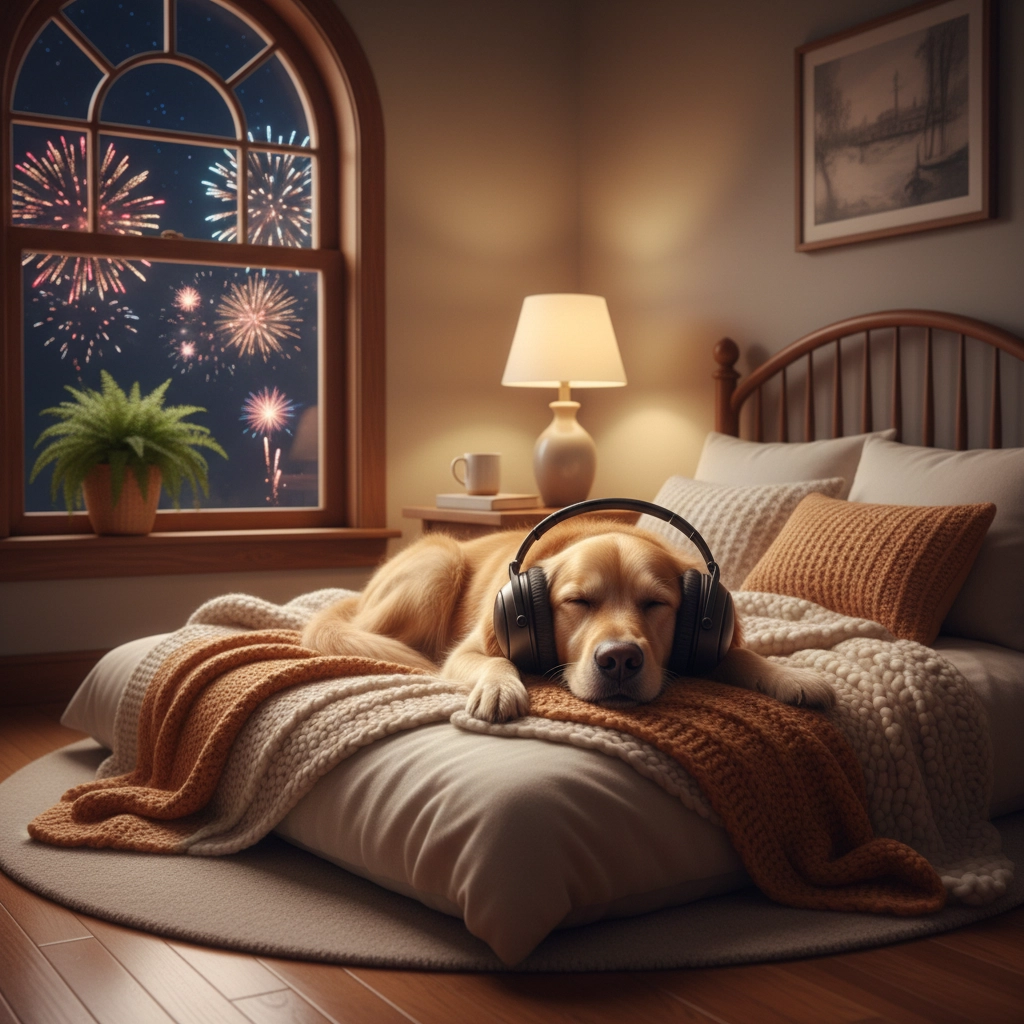
Don't forget about pets during fireworks season. Dogs and cats don't understand that those loud noises are supposed to be fun – they just know it sounds terrifying. Keep pets indoors during fireworks displays, and consider a ThunderShirt or calming treats for particularly anxious animals.
Many pets go missing on July 4th because they panic and run away. Make sure your pets are wearing ID tags and are microchipped, just in case.
The Bottom Line
Look, we're not trying to ruin your fun. Fireworks can be part of an amazing celebration when handled properly. But "properly" is the key word here. If you choose to use consumer fireworks, follow every safety rule like your life depends on it – because it might.
Remember: no fireworks display is worth a trip to the hospital or a house fire. When in doubt, leave it to the professionals and enjoy the show from a safe distance with some popcorn and your loved ones.
The goal is to create memories, not medical bills. So whether you choose sparklers in the backyard or a professional show at the park, make safety your number one priority. Your fingers (and your insurance company) will thank you.
Stay safe out there, and happy celebrating!


Comments
Post a Comment