AI Safety Tools Vs Traditional Methods: Which Is Better For Your Small Business?
AI Safety Tools Vs Traditional Methods: Which Is Better For Your Small Business?
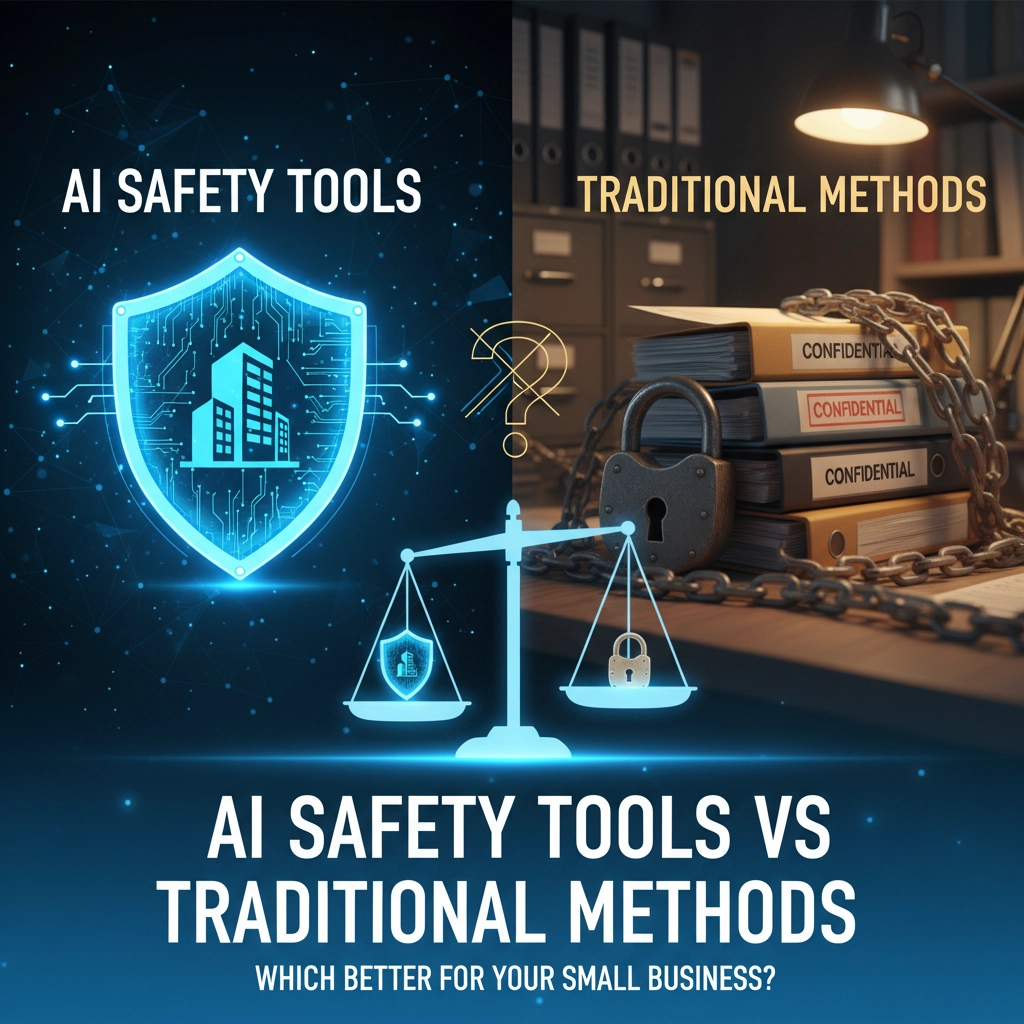
Running a small business means juggling a million things at once – and workplace safety often gets pushed to the back burner until something goes wrong. But here's the thing: whether you choose high-tech AI safety tools or stick with traditional methods, the key is actually having a system in place.
So which approach works better for small businesses? Let's break it down without all the fancy jargon.
What Are AI Safety Tools Anyway?
Think of AI safety tools as your super-smart workplace assistant that never sleeps. These systems use artificial intelligence to monitor your workplace, predict potential hazards, and even remind your team about safety protocols automatically.
We're talking about tools that can:
- Analyze security camera footage to spot unsafe behaviors
- Send automatic reminders about equipment maintenance
- Track employee training completion
- Monitor air quality and environmental hazards
- Predict when accidents are more likely to happen
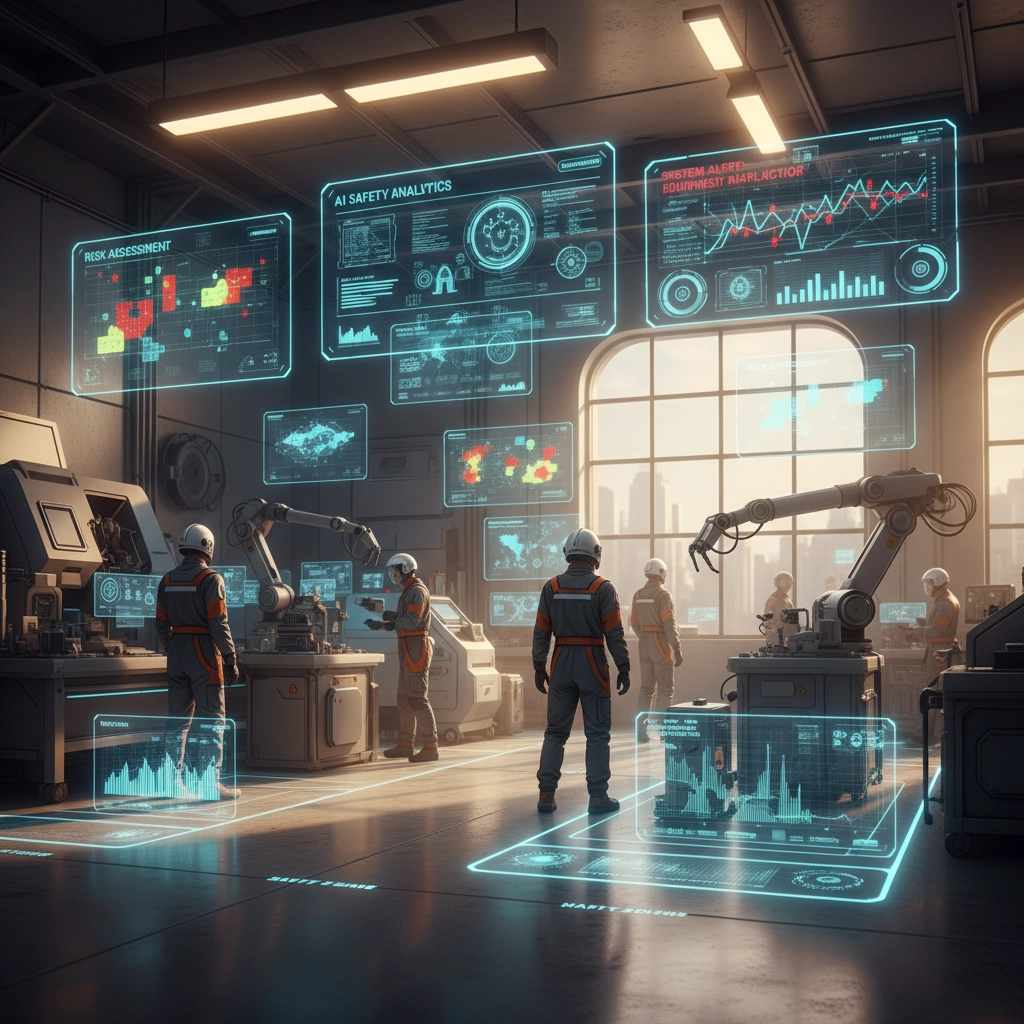
The coolest part? Many of these tools learn from your specific workplace. The longer you use them, the better they get at understanding your unique safety challenges.
Traditional Safety Methods: The Tried and True Approach
Traditional safety methods are exactly what they sound like – the approaches businesses have used for decades. We're talking about:
- Regular safety meetings and training sessions
- Physical safety inspections with clipboards and checklists
- Posted safety signs and reminders
- Manual incident reporting
- Standard operating procedures (SOPs)
- Safety committees made up of your actual employees
There's something comforting about traditional methods. You can see them, touch them, and understand exactly how they work without needing a computer science degree.
The Real-World Comparison
Let's get practical about what each approach actually means for your day-to-day operations.
Speed and Efficiency
AI Tools Win Here
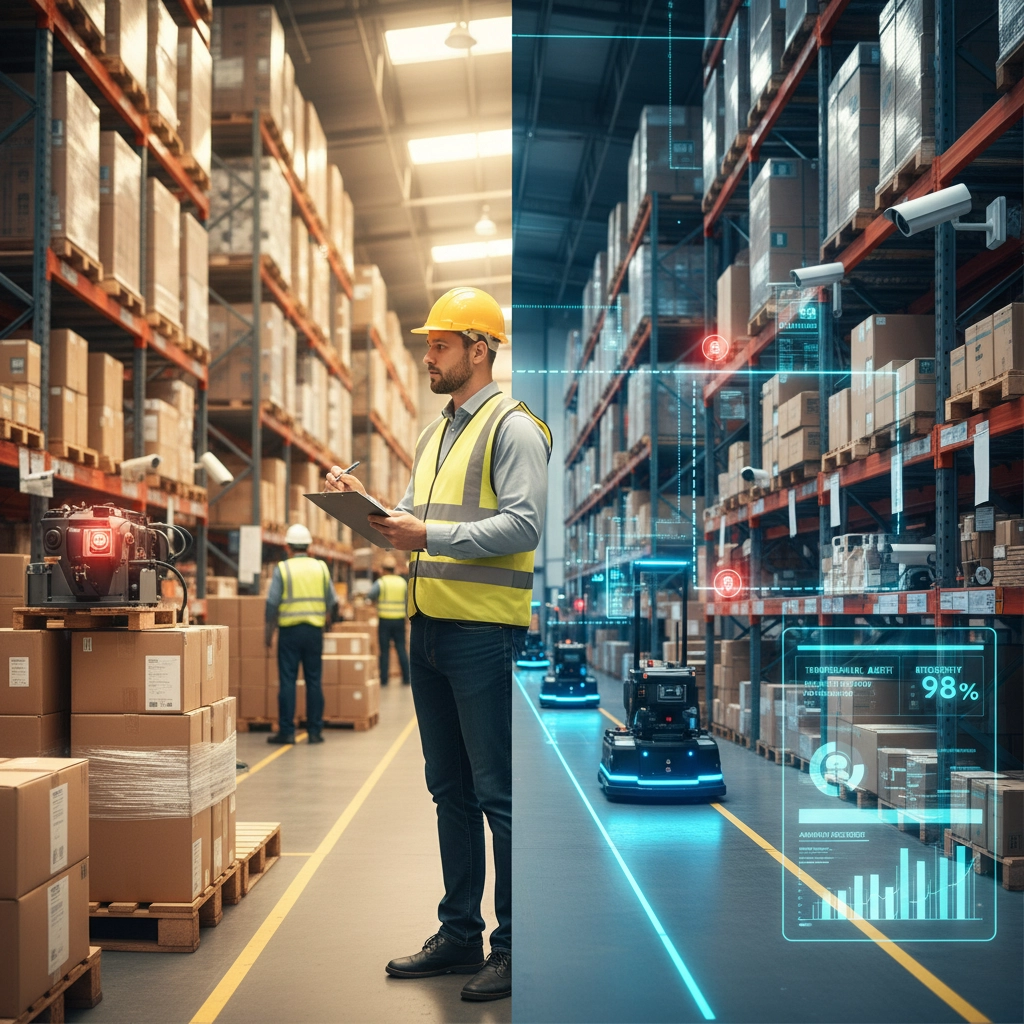
AI safety tools work 24/7 without coffee breaks. They can spot a worker not wearing proper safety gear in real-time and send an instant alert. Traditional methods might catch the same issue during the weekly safety walk-through – if someone remembers to do it.
One restaurant owner told us their AI system caught a employee leaving the walk-in cooler door open three times in one shift, preventing thousands of dollars in food spoilage. A traditional approach might have missed this until the next morning.
Traditional Methods Counter
But here's where traditional methods shine – flexibility. When something unexpected happens, humans can adapt on the spot. That same restaurant owner mentioned that when their AI system kept flagging employees for "unsafe behavior" during a particularly busy rush, they needed human judgment to realize the system wasn't accounting for the controlled chaos of peak dinner service.
Cost Considerations
Upfront Costs
AI tools typically require a bigger initial investment. You're looking at monthly subscriptions, setup costs, and sometimes new hardware. Traditional methods are usually cheaper to start – you need training materials, some signage, and time.
Long-term Value
Here's where it gets interesting. AI tools often pay for themselves by preventing accidents and automating time-consuming tasks. But traditional methods can be incredibly cost-effective too, especially when they create a strong safety culture among your team.
Learning Curve
AI Tools
Most modern AI safety platforms are designed to be user-friendly, but there's still a learning curve. You'll need someone on your team who's comfortable with technology, or you'll need to invest in training.
Traditional Methods
Everyone understands a safety checklist or a training meeting. The learning curve is minimal, and you can start seeing results immediately.
When AI Tools Make Sense
AI safety tools are game-changers for certain types of small businesses:
High-Risk Operations
If you're running a manufacturing shop, construction company, or any business where accidents can happen quickly, AI tools provide that extra layer of protection. They can spot dangerous situations faster than any human.
Multiple Locations
Managing safety across several locations is tough. AI tools let you monitor everything from one dashboard and ensure consistent safety standards everywhere.
Repetitive Safety Tasks
If you're spending hours every week on safety documentation, equipment checks, or training reminders, AI can automate much of this work.
Growing Businesses
As you add more employees, AI tools can scale with you without requiring proportionally more safety staff.

When Traditional Methods Are the Way to Go
Don't count out traditional methods – they're still the best choice for many small businesses:
Personal Touch Matters
If your business thrives on personal relationships and company culture, traditional safety meetings and face-to-face training might be more effective than automated systems.
Simple Operations
For retail stores, offices, or other lower-risk environments, traditional methods often provide all the safety coverage you need without the complexity.
Budget Constraints
If money's tight, traditional methods can still create a strong safety program. Sometimes a well-organized safety committee and regular training sessions work better than a fancy system you can't afford to implement properly.
Variable Work Environments
If your work happens in different locations (like landscaping or home services), traditional methods that travel with your team might be more practical than location-based AI systems.
The Hybrid Approach: Best of Both Worlds
Here's what we're seeing work really well for many small businesses: combining both approaches strategically.
Start with solid traditional methods to build your safety foundation. Get your team comfortable with safety protocols, regular meetings, and clear procedures. Once that's working well, you can add AI tools to enhance specific areas.
For example:
- Use traditional training methods but add an AI system to track completion and send reminders
- Keep your safety meetings but add AI-powered incident analysis to spot trends
- Maintain physical safety inspections but use AI tools to monitor equipment maintenance schedules

Making the Right Choice for Your Business
The best approach depends on your specific situation. Ask yourself:
- What's your risk level? Higher risk operations benefit more from AI monitoring
- How tech-savvy is your team? Don't choose AI tools if nobody wants to use them
- What's your budget? Be realistic about both upfront costs and ongoing expenses
- How much time do you spend on safety tasks? If it's a lot, AI automation might free up valuable time
- What does your insurance company say? Some insurers offer discounts for certain safety technologies
The Bottom Line
There's no universal "better" choice between AI safety tools and traditional methods. The best safety program is the one your team actually uses consistently.
AI tools excel at monitoring, automation, and data analysis. They're great for preventing accidents by catching problems early. Traditional methods excel at building culture, providing flexibility, and ensuring everyone understands their role in workplace safety.

Many successful small businesses use elements of both approaches. They might use AI tools for the heavy lifting – monitoring, reminders, and data tracking – while relying on traditional methods for training, culture building, and handling situations that require human judgment.
The most important thing? Pick an approach and stick with it. A simple traditional safety program that everyone follows beats a sophisticated AI system that gets ignored. Start with what works for your team and budget, then evolve as your business grows.
Remember, the goal isn't to have the most advanced safety system – it's to get everyone home safely every day. Whether that happens through cutting-edge AI or good old-fashioned safety meetings doesn't matter nearly as much as making sure it actually happens.


Comments
Post a Comment