The Harmonizer: Safety Through Connection
The Harmonizer: Safety Through Connection
![[HERO] The Harmonizer: Safety Through Connection](https://cdn.marblism.com/RfHVt0x6vIT.webp)
You notice the forklift operator skipping the pre-shift check. Again.
You know you should say something. But he's been having a rough week, his kid's in the hospital, he's stressed, and honestly? The team vibe has been so good lately. Everyone's finally getting along. The last thing you want to do is be "that person" who makes things awkward.
So you don't say anything.
And that right there? That's the Harmonizer's biggest safety trap.
Meet the Harmonizer
Harmonizers are the glue of every team. They're the ones who:
- Remember birthdays
- Notice when someone's having a bad day
- Smooth over tension before it escalates
- Check in on the quiet person in the corner
- Make the new hire feel welcome on day one
They read the room better than anyone. They know who's feuding, who needs space, and who just needs someone to listen. In a world that often treats workers like interchangeable parts, Harmonizers see people.
And here's the thing: psychological safety starts with people like this.
When Harmonizers are present, teams communicate better. People feel seen. Morale goes up. Turnover goes down. That's not soft skills, that's the foundation of a culture where safety actually works.

The Strengths: Why Teams Need Harmonizers
Let me be honest: some of the safest teams I've ever worked with had a strong Harmonizer setting the tone.
Why? Because they create the conditions where people want to speak up.
Harmonizers build trust. They remember what you said last week. They don't dismiss your concerns. They don't make you feel stupid for asking a question. And when someone's struggling, physically, mentally, emotionally, they notice before it becomes a safety incident.
In high-risk environments (warehouses, construction sites, chemical plants, hospitals), this skill is gold. Harmonizers can sense when someone's distracted, exhausted, or about to make a mistake. They'll casually step in: "Hey, need a hand with that?" or "You good? You seem off today."
That's not micromanaging. That's care. And care prevents accidents.
They also reduce friction. When a safety policy rolls out and everyone's grumbling, the Harmonizer translates it into something the team can actually work with. They don't fight the rule, they help people understand why it exists and how to make it less painful.
Harmonizers are naturals at de-escalation, conflict resolution, and keeping morale steady during stressful times (audits, incidents, leadership changes). If your team has one, don't take them for granted.
The Fatal Flaw: Avoiding Conflict When It Counts
But here's where it gets dangerous.
Harmonizers hate conflict. I mean, really hate it. So much so that they'll avoid difficult conversations even when lives are on the line.
They'll see:
- Someone working without PPE
- A shortcut that violates lockout/tagout
- A new employee doing something risky because no one trained them properly
- A manager pressuring the team to skip safety steps to hit a deadline
And they'll think: "I don't want to make waves. What if they get defensive? What if it ruins the team dynamic? What if everyone thinks I'm being dramatic?"
So they stay quiet.
And someone gets hurt.
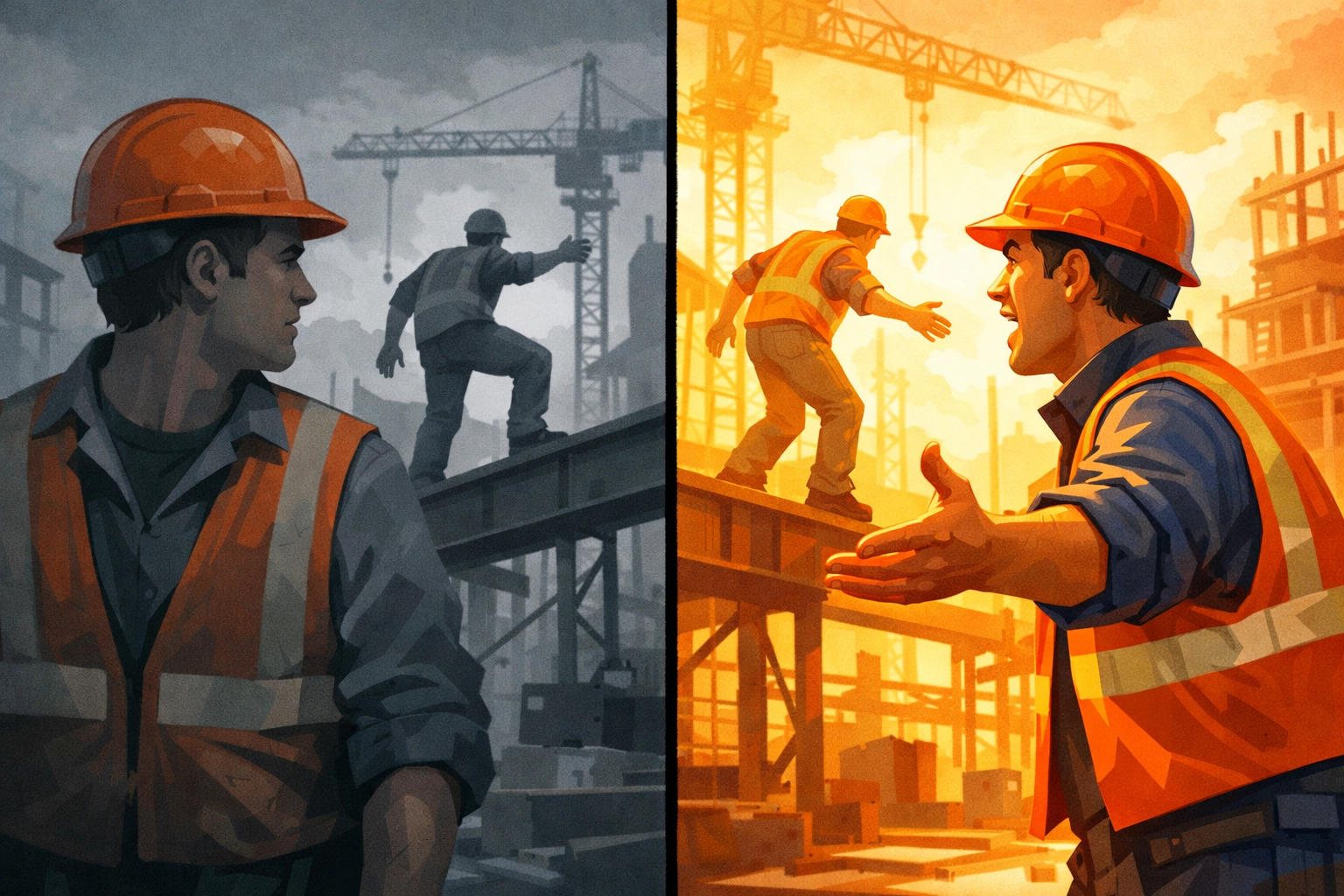
I've investigated incidents where the Harmonizer on the crew knew something was wrong. They saw it. They felt it. But they didn't want to "cause a scene," so they said nothing. And the guilt they carry afterward? It's crushing.
Here's what Harmonizers need to understand:
Real harmony isn't pretending everything's fine. It's creating a space where hard conversations can happen without destroying relationships.
Conflict isn't the enemy. Unspoken conflict is.
The Shift: From Peacekeeping to Truth-Telling
If you're a Harmonizer, I need you to hear this:
Speaking up about a safety concern isn't starting a fight. It's protecting someone you care about.
You don't have to be aggressive. You don't have to call people out in front of the whole crew. You can still be kind, empathetic, and thoughtful in how you bring it up.
But you have to bring it up.
Here's how to reframe it in your mind:
Old script: "If I say something, I'll ruin the vibe."
New script: "If I don't say something, someone could die. That would really ruin the vibe."
Old script: "They'll get mad at me."
New script: "They might be annoyed for five minutes. But they'll be alive."
Old script: "I don't want to be the safety police."
New script: "I'm not policing. I'm protecting. There's a difference."
You're not betraying the team by speaking up. You're honoring the team by refusing to let someone get hurt on your watch.
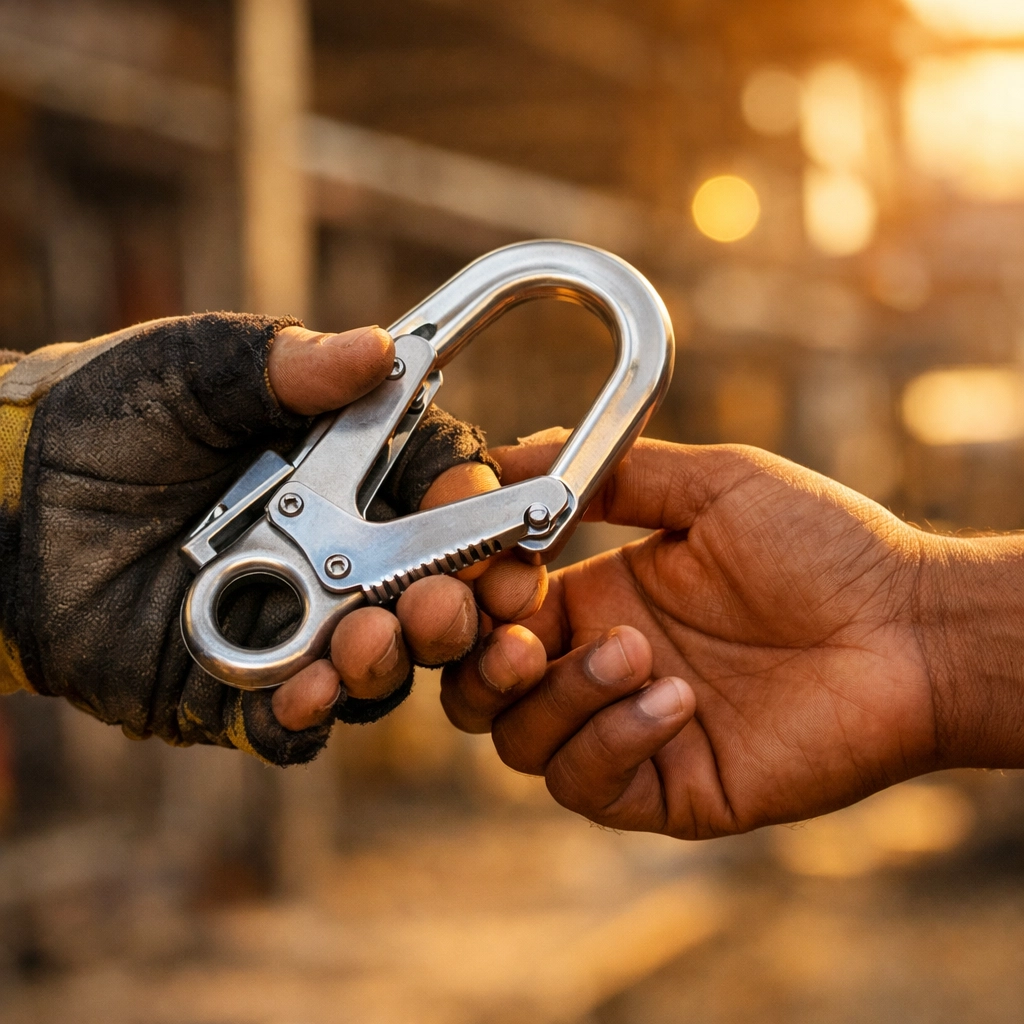
Practical Tools for the Harmonizer
Okay, so how do you actually do this without feeling like you're throwing a grenade into the group chat?
1. Use "I" Statements, Not Accusations
Instead of: "You're not wearing your harness."
Try: "Hey, I noticed the harness isn't clipped. Mind if I help you check it?"
Instead of: "This is a violation."
Try: "I'm worried about this setup. Can we talk through it real quick?"
You're not attacking. You're inviting collaboration.
2. Assume Positive Intent
Most people aren't trying to be unsafe. They're tired, distracted, undertrained, or rushing because they're under pressure. Lead with curiosity, not judgment.
"What's going on? You usually don't skip steps like this."
That opens the door for them to tell you what's really happening (short-staffed, broken equipment, confusing instructions). And now you're solving the real problem together.
3. Practice the Pause
Before you talk yourself out of saying something, pause for two seconds and ask:
"If this person got hurt and I said nothing, could I live with that?"
If the answer is no, speak up. Even if your voice shakes. Even if it's awkward. Even if they roll their eyes.
You'll survive awkward. They might not survive the alternative.
4. Bring Solutions, Not Just Problems
Harmonizers are great at this. Instead of just pointing out what's wrong, offer a path forward:
"I know we're behind schedule, but if we skip the lockout, someone's going to the hospital. What if we call for backup so we can do it right and still hit the deadline?"
You're not blocking progress. You're protecting it.

When the Culture Punishes Speaking Up
Now, let's be real. Some workplaces are toxic. Some managers punish people for raising concerns. Some teams have normalized cutting corners so deeply that the Harmonizer feels like the problem.
If that's your reality, this isn't on you to fix alone.
But here's what you can do:
- Document what you see (dates, times, specifics)
- Loop in someone with more authority (a trusted supervisor, safety lead, or HR if necessary)
- Use anonymous reporting systems if your company has them
- Advocate for psychological safety in team meetings ("Can we create a space where people feel safe raising concerns?")
And if none of that works? You might be in a place that doesn't deserve your care. Sometimes the most Harmonizer thing you can do is protect yourself by finding a team that actually values safety.
The Balance: Connection AND Accountability
The best Harmonizers I've worked with aren't conflict-avoidant. They're conflict-skilled.
They know how to have hard conversations without torching relationships. They hold people accountable and make them feel supported. They speak truth and lead with empathy.
That's the goal. Not choosing between harmony and safety. Building a culture where both can coexist.
Because at the end of the day, real team cohesion doesn't come from pretending everything's perfect. It comes from knowing your crew has your back: even when that means calling you out before you do something dangerous.
That's not disruption. That's love.
Because everyone has the right to feel and be safe.


Comments
Post a Comment